The Exploration Rover:

Abaño Campus Laboratory School


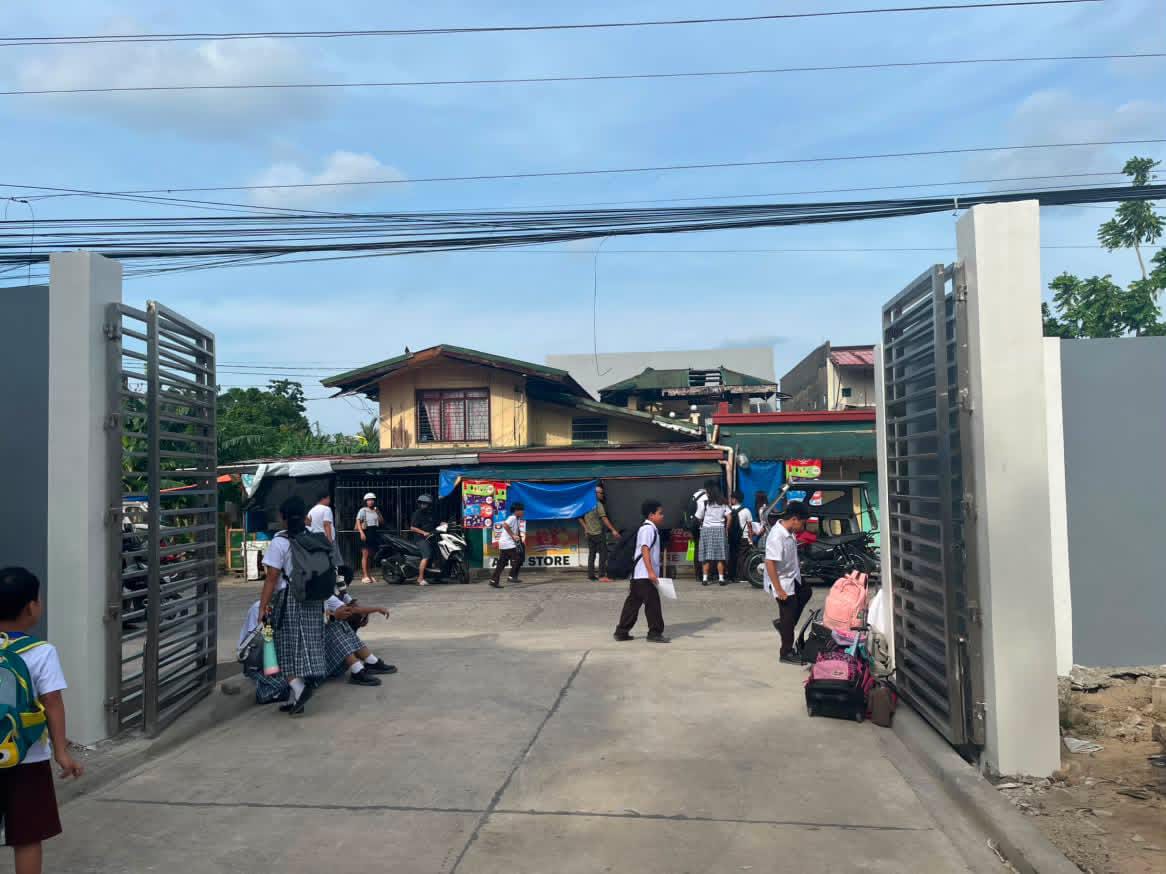
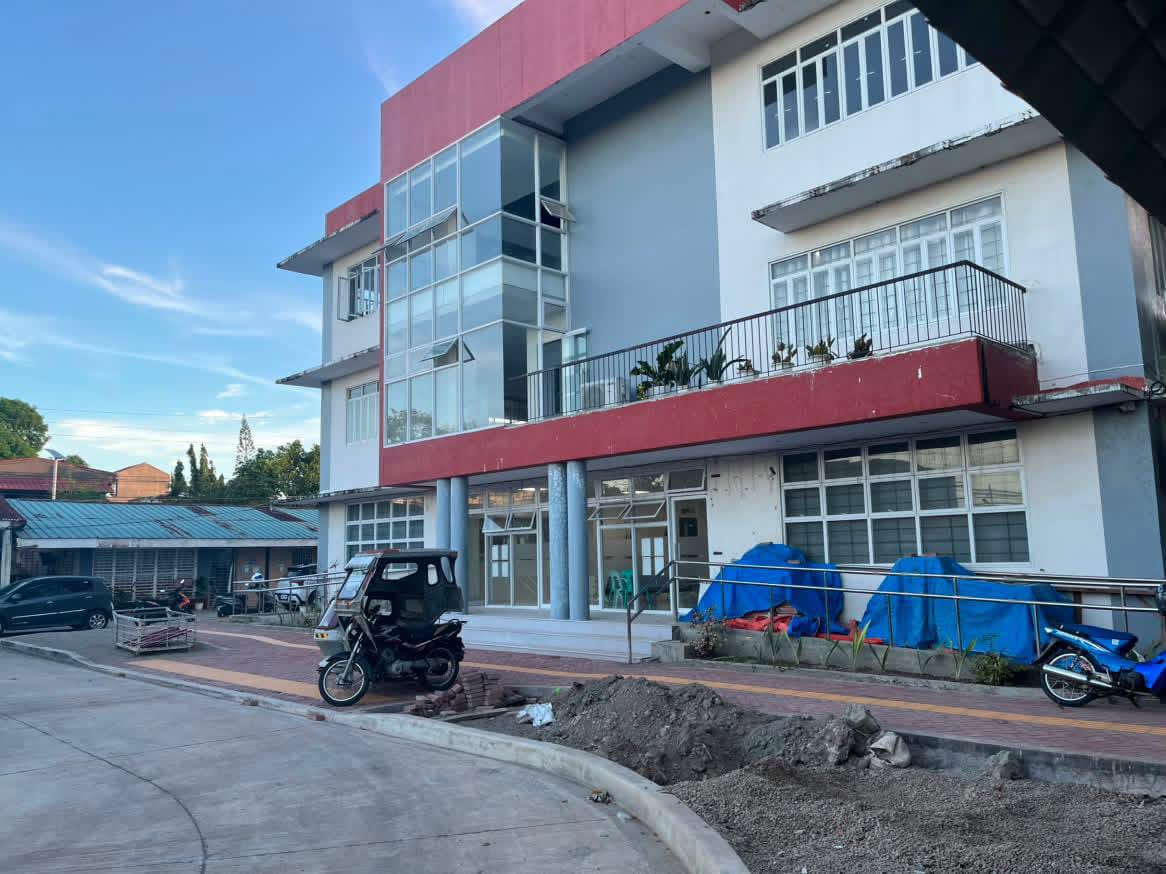
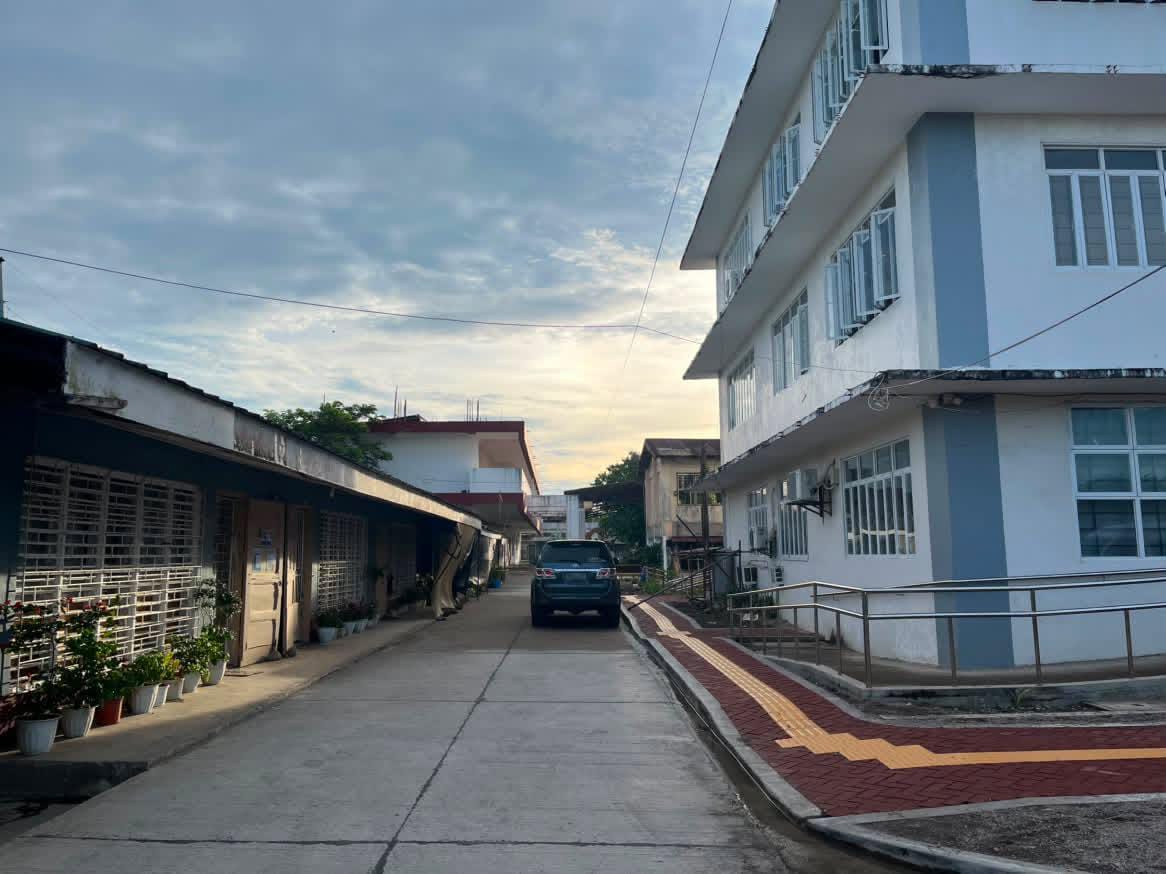
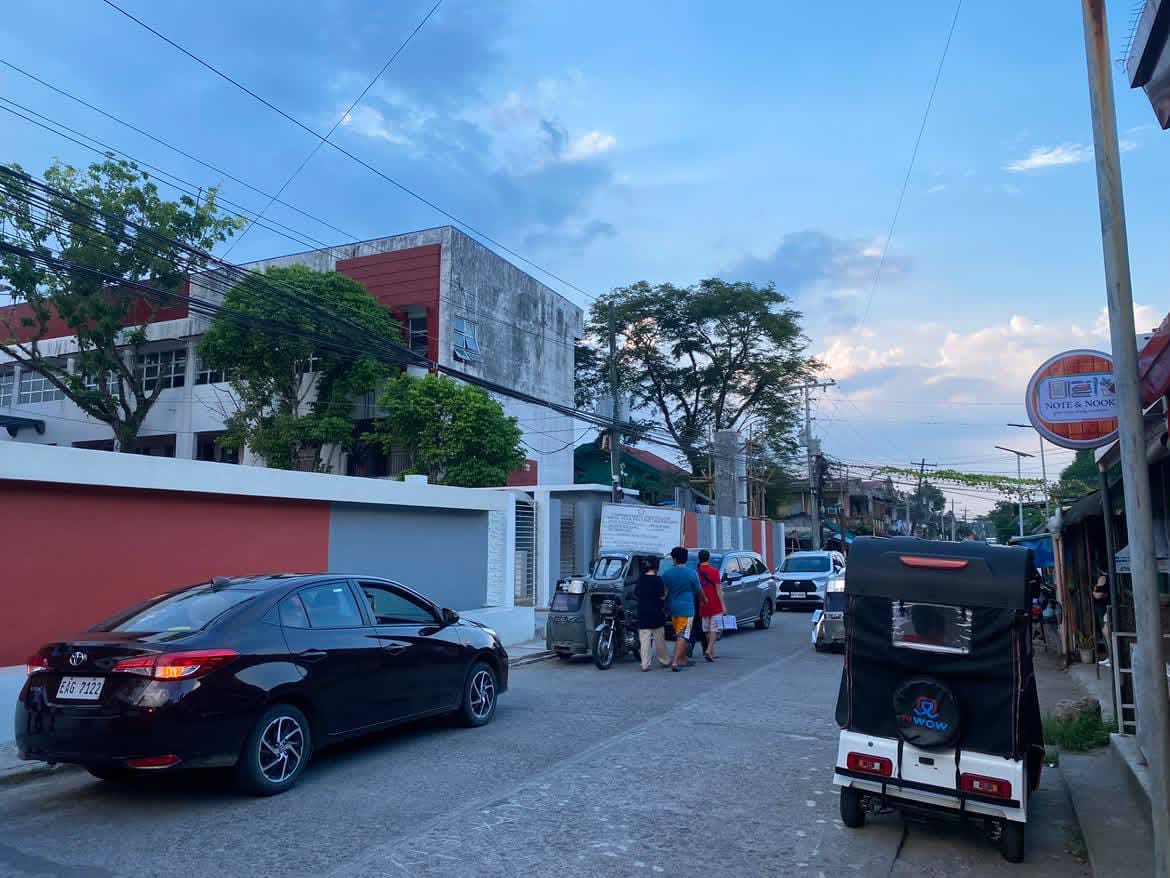
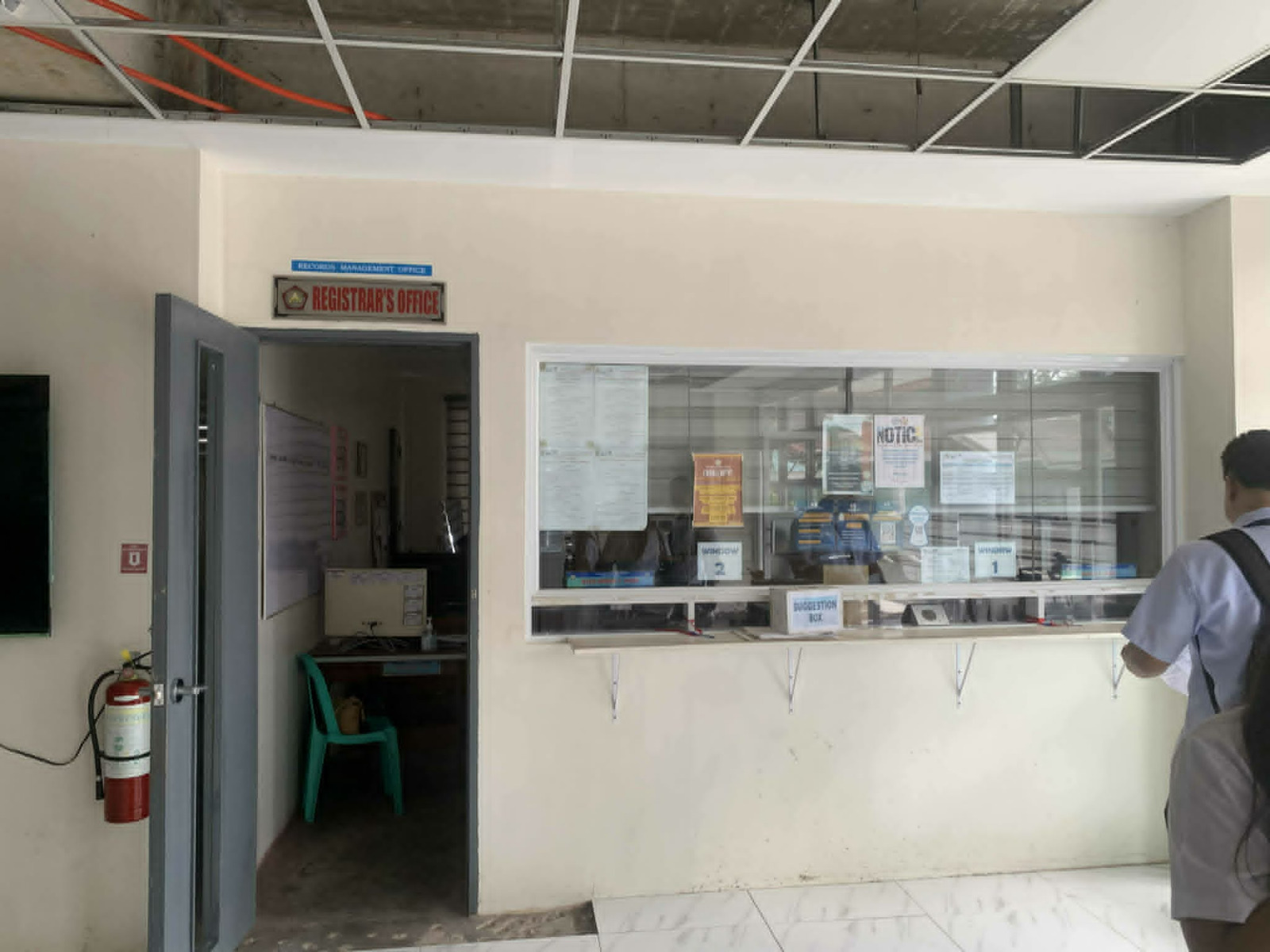
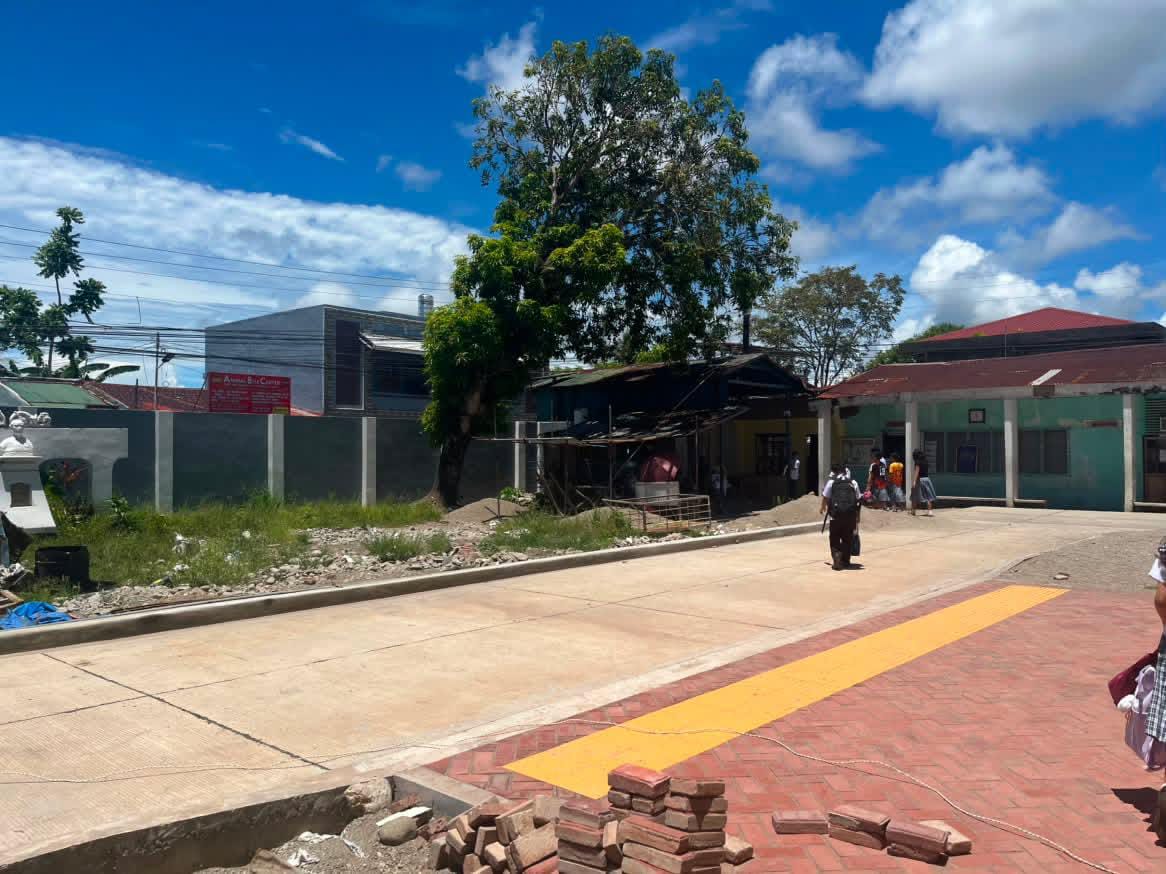
Abaño Campus was originally established in 1953 as the Abaño Pilot Elementary School, sitting on an approximately 0.8684-hectare lot generously donated by local philanthropist Dr. Jose Abaño. Thanks to its strong performance in elementary education, it was designated as a regional pilot school in 1959. Decades later, through Republic Act No. 7352 in 1992, the campus was formally integrated into the newly established Camarines Norte State College (now the University of Camarines Norte) to serve as its official Laboratory School under the College of Education. Today, it caters to both Elementary (Grades 1-6) and Secondary (Grades 7-10) students.
School Profile


The institution is committed to providing excellent services in instruction, research, and extension that are responsive to the satisfaction of students and other stakeholders.
VISION
MISSION
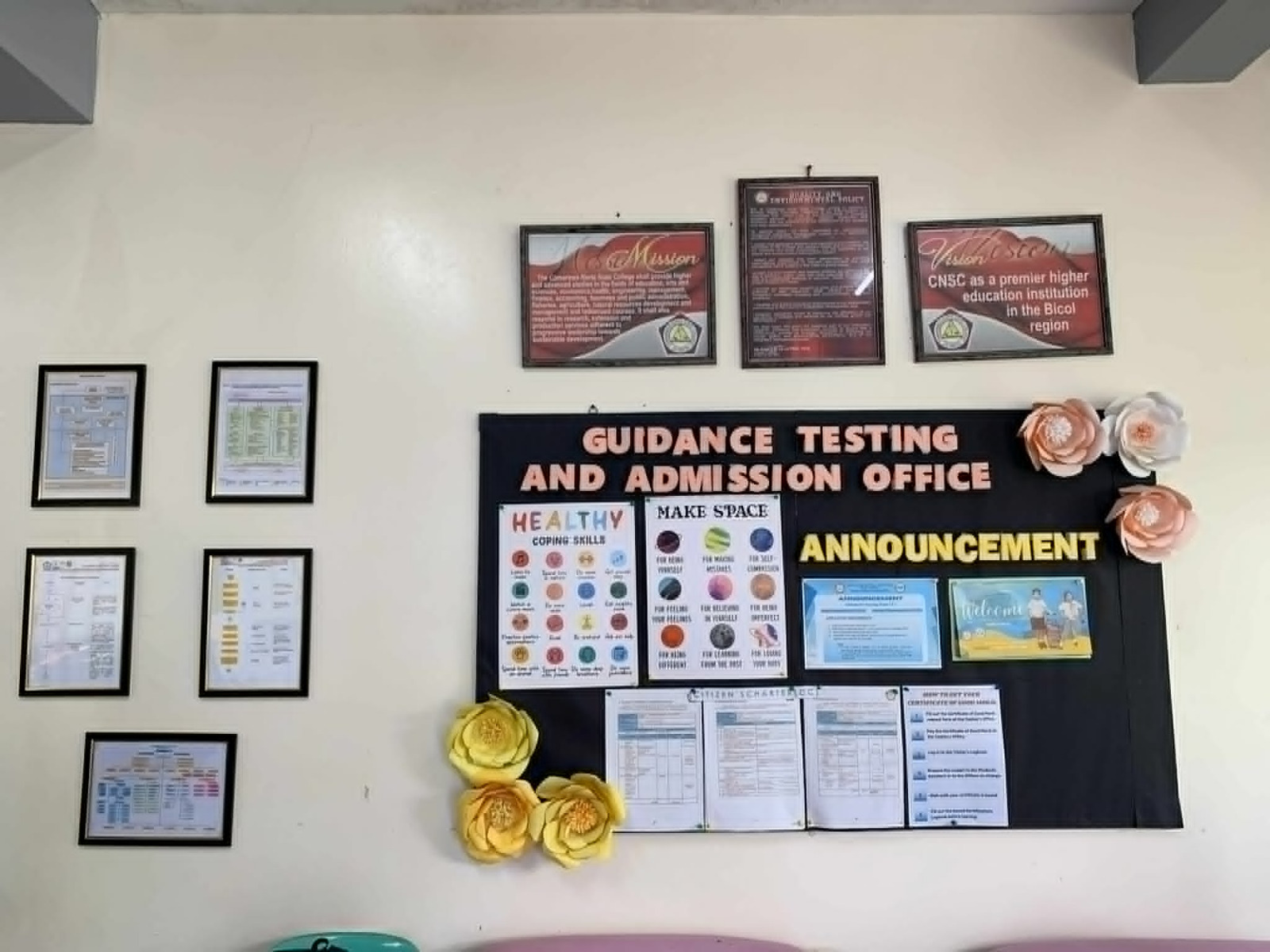
To emerge as a Premier Higher Education Institution in the Bicol Region
To emerge as a Premier Higher Education Institution in the Bicol Region
QUALITY POLICY
Academic Support System

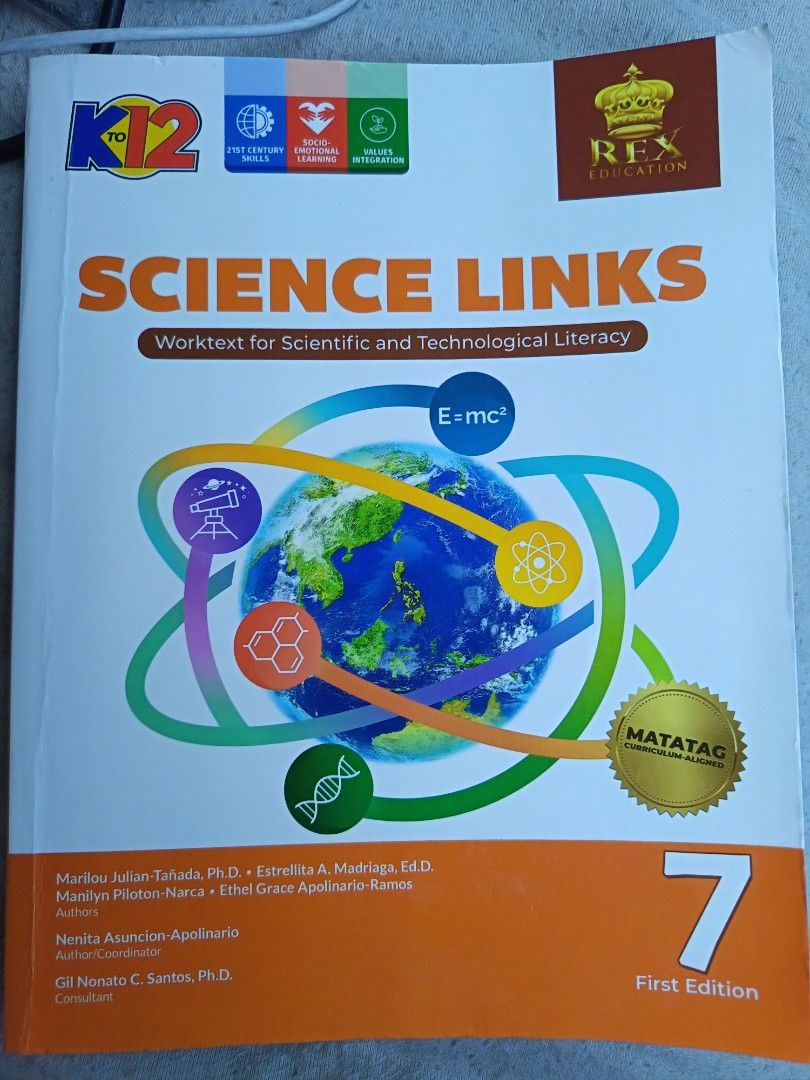
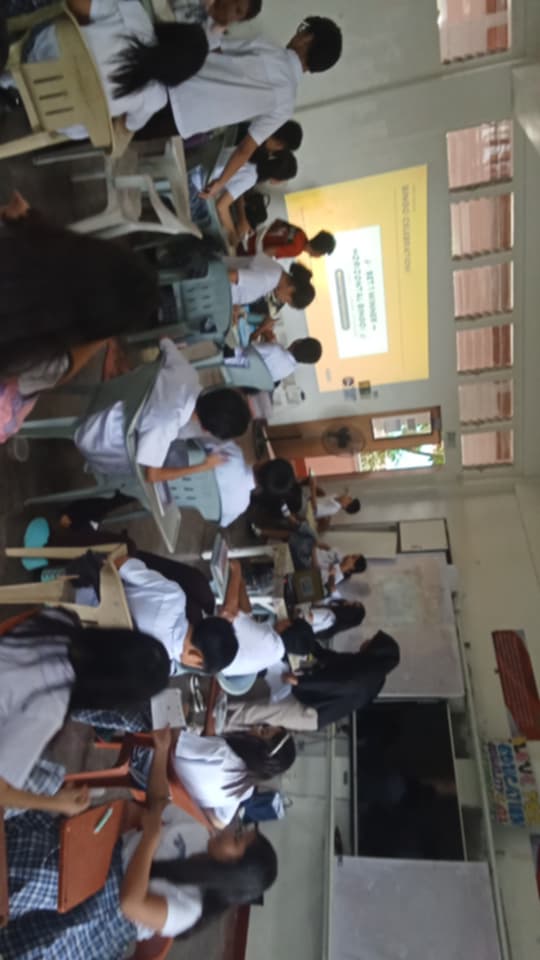
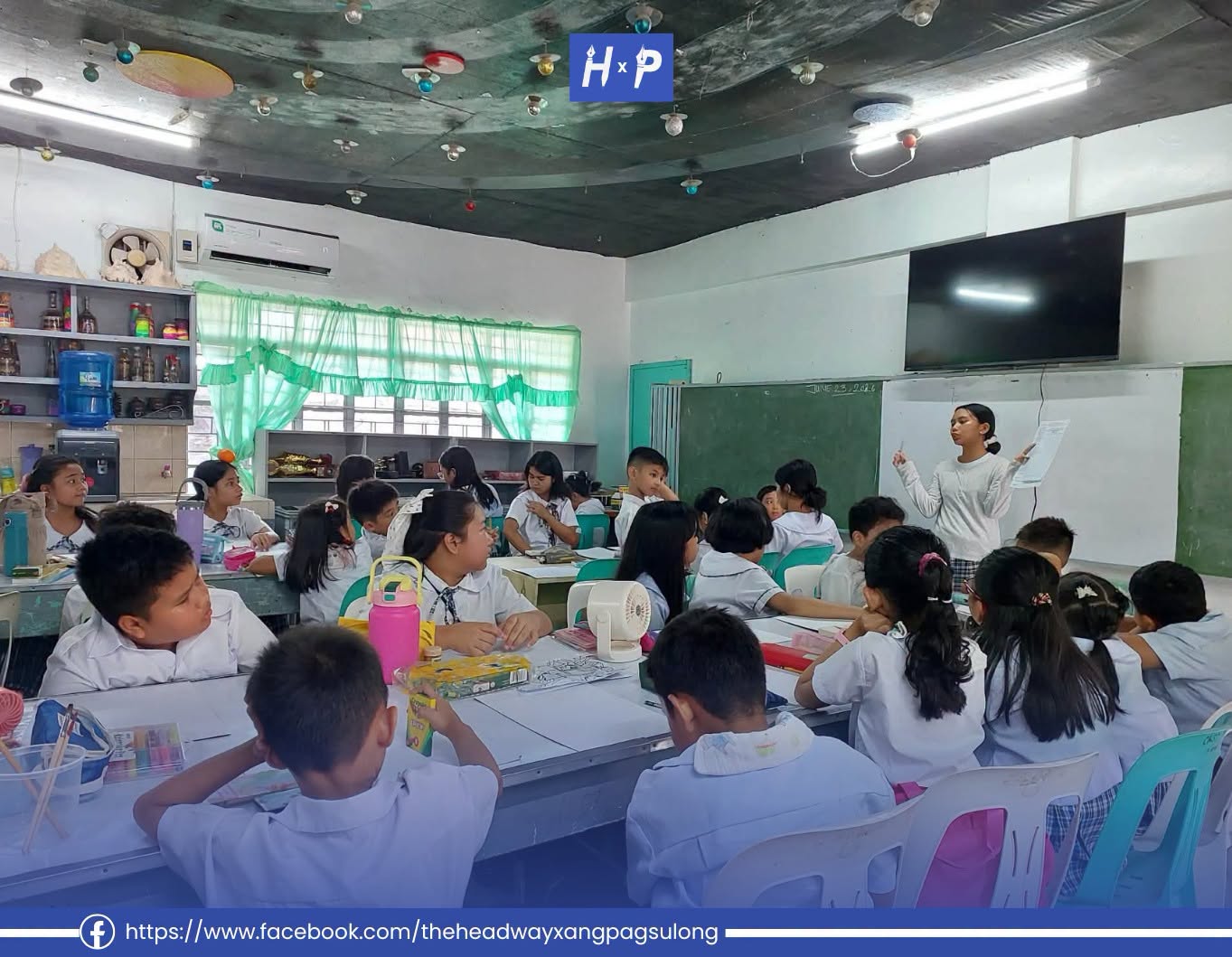
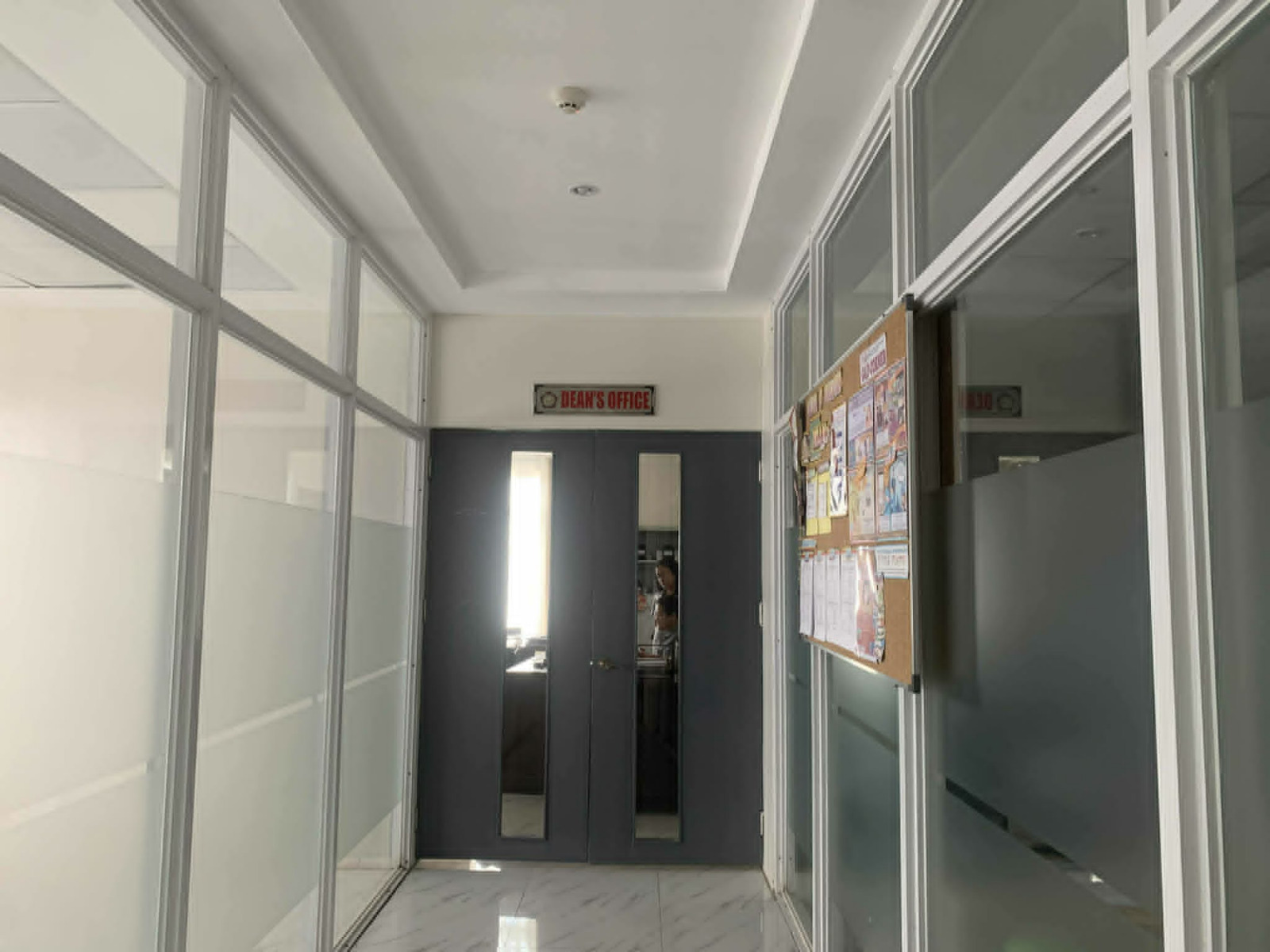
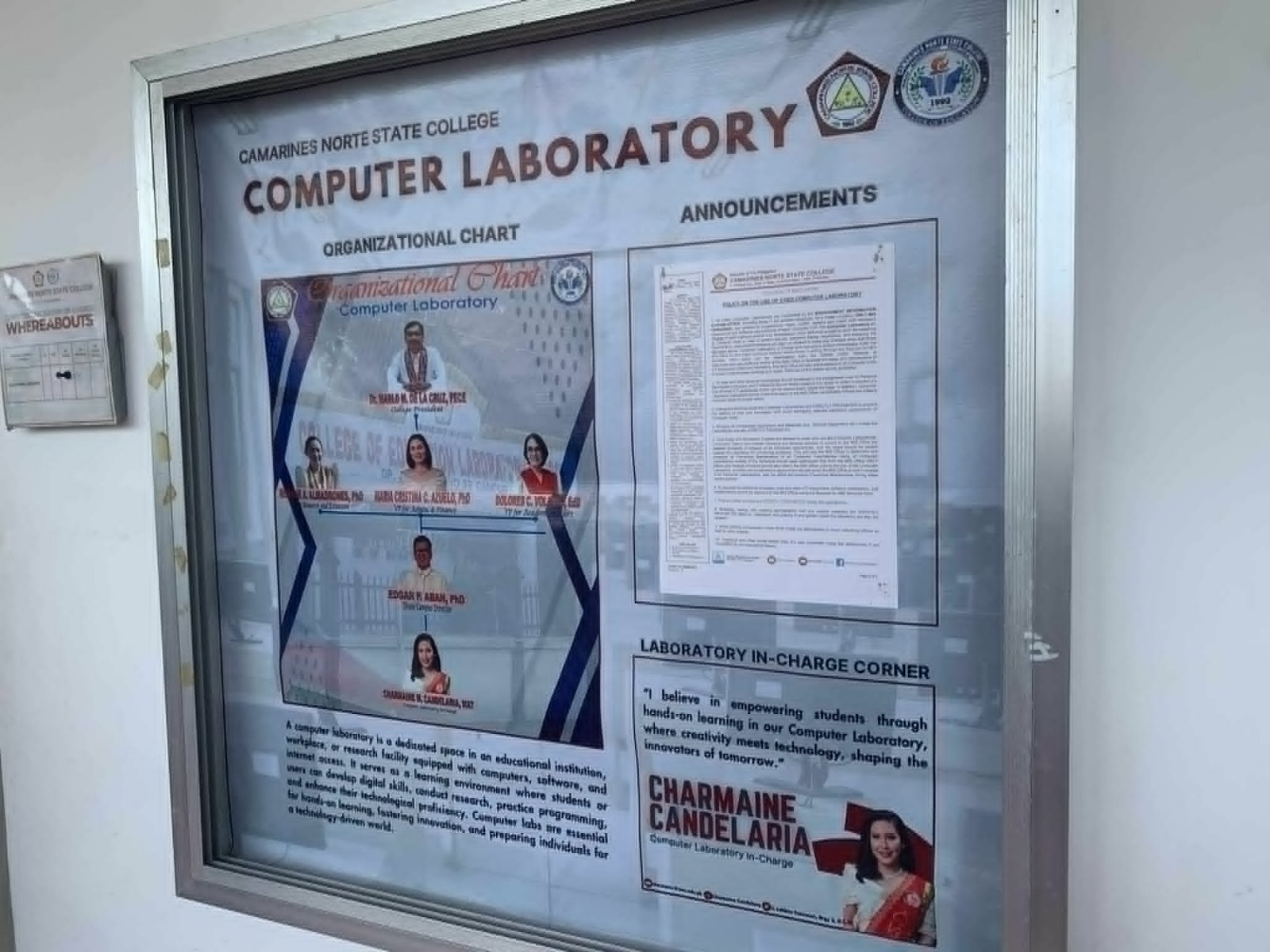
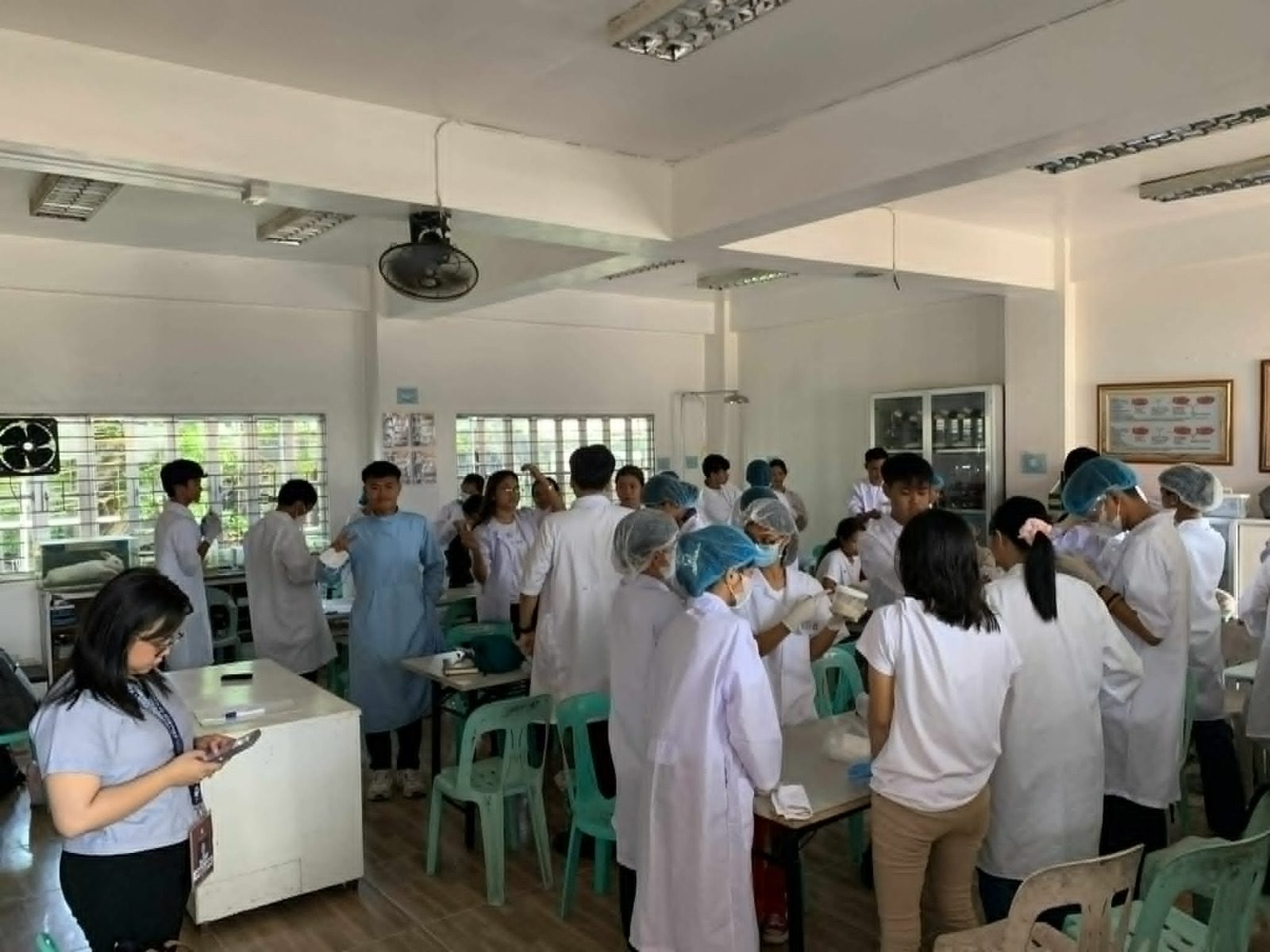
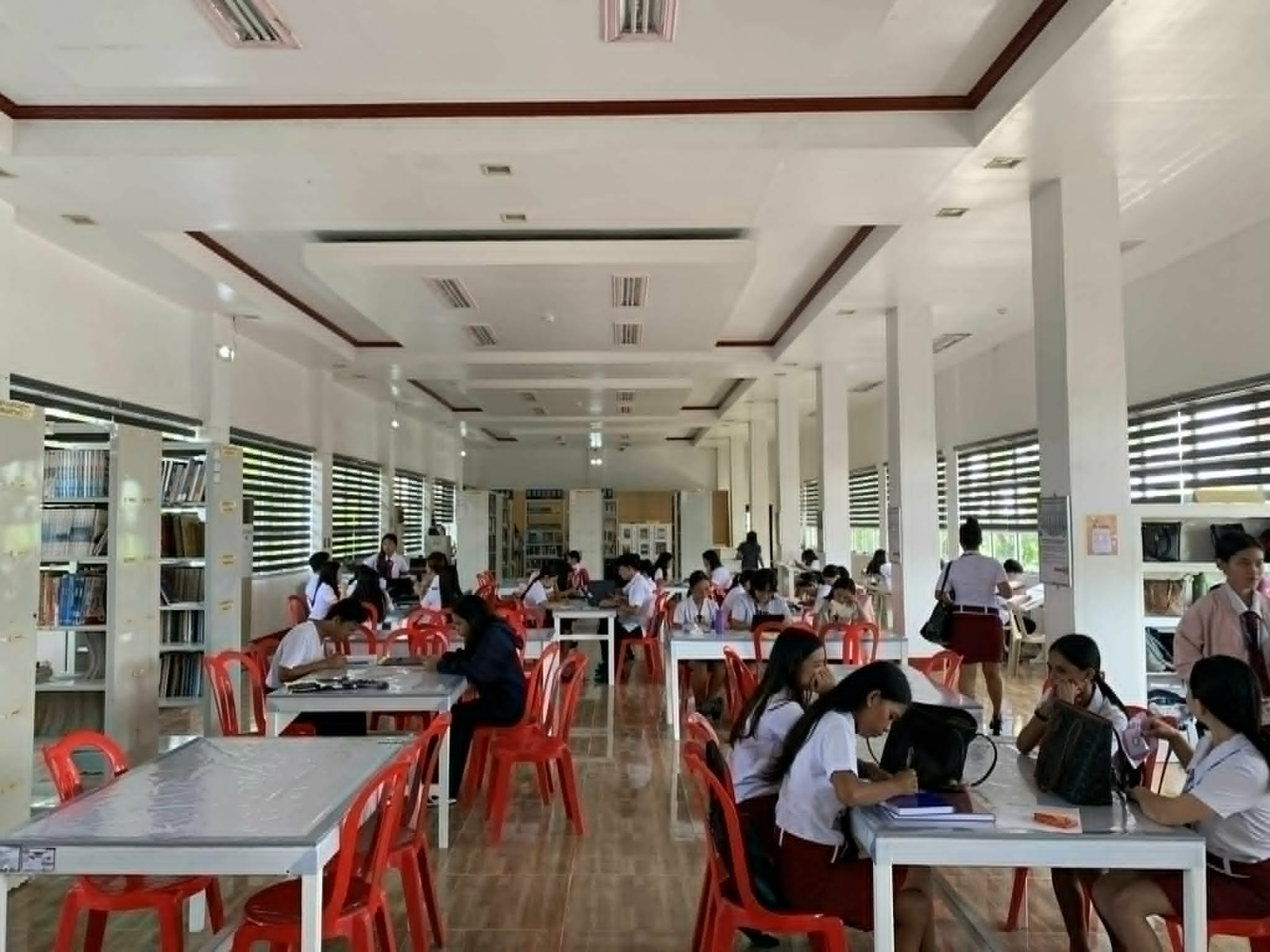
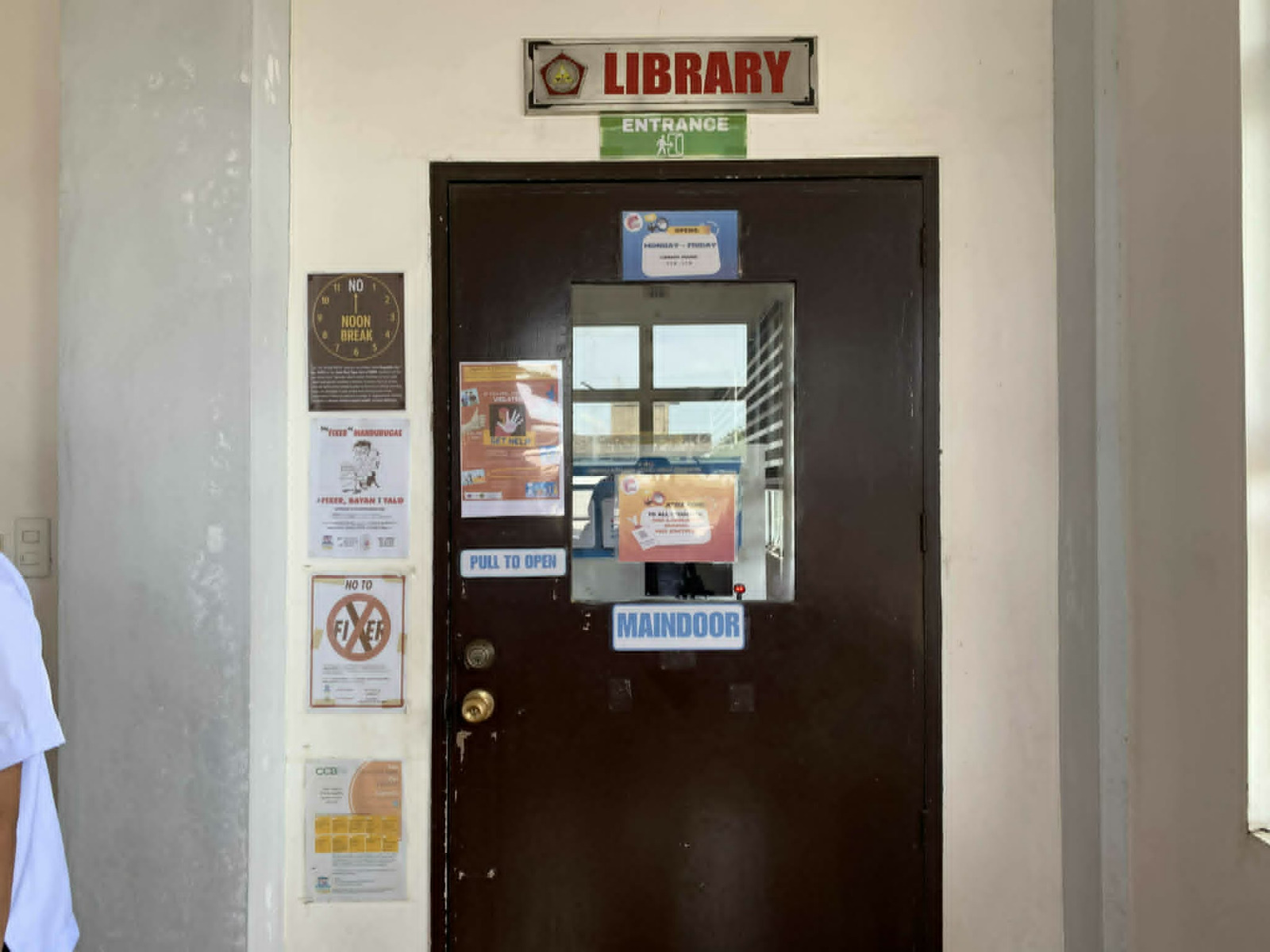
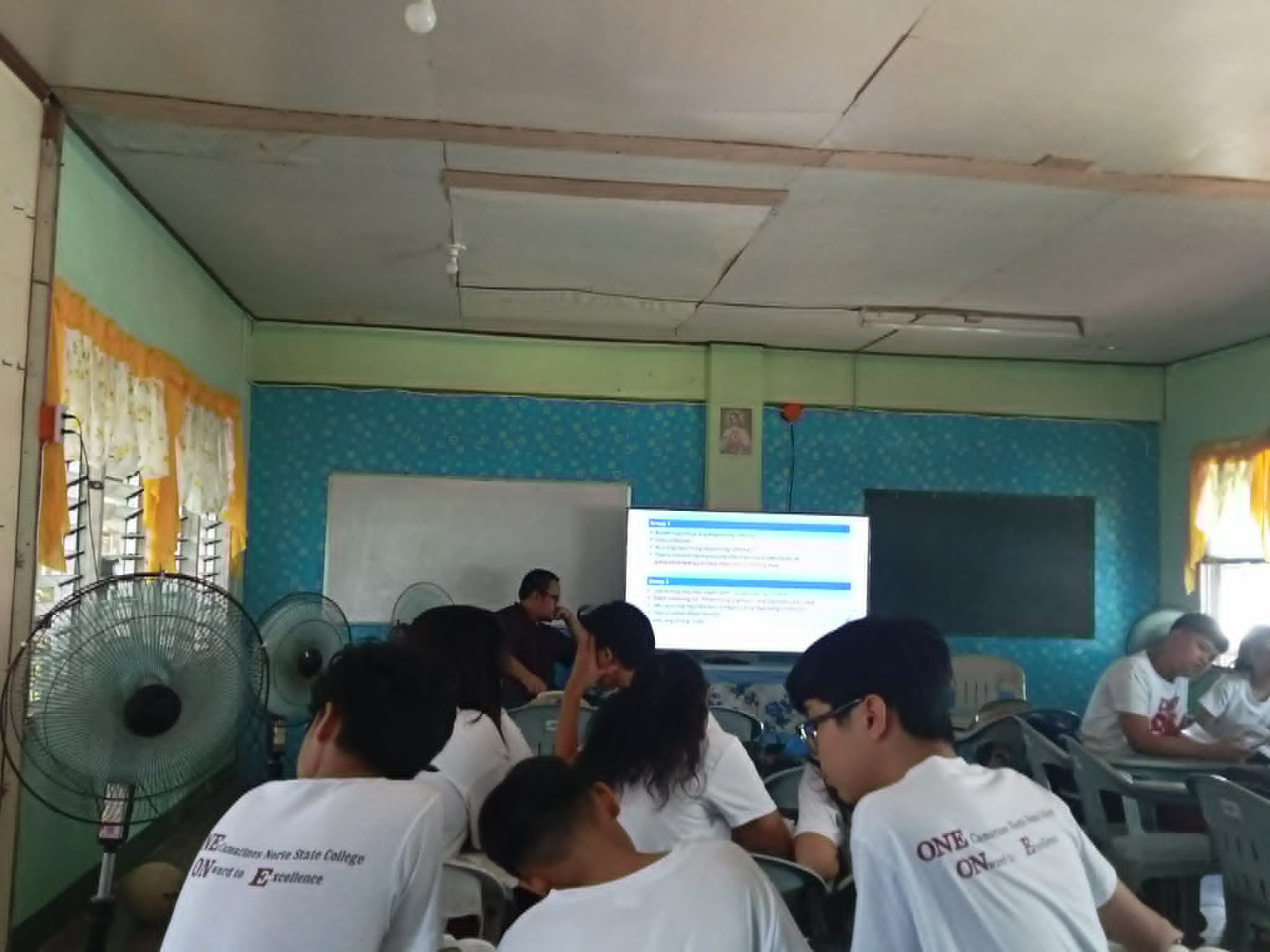
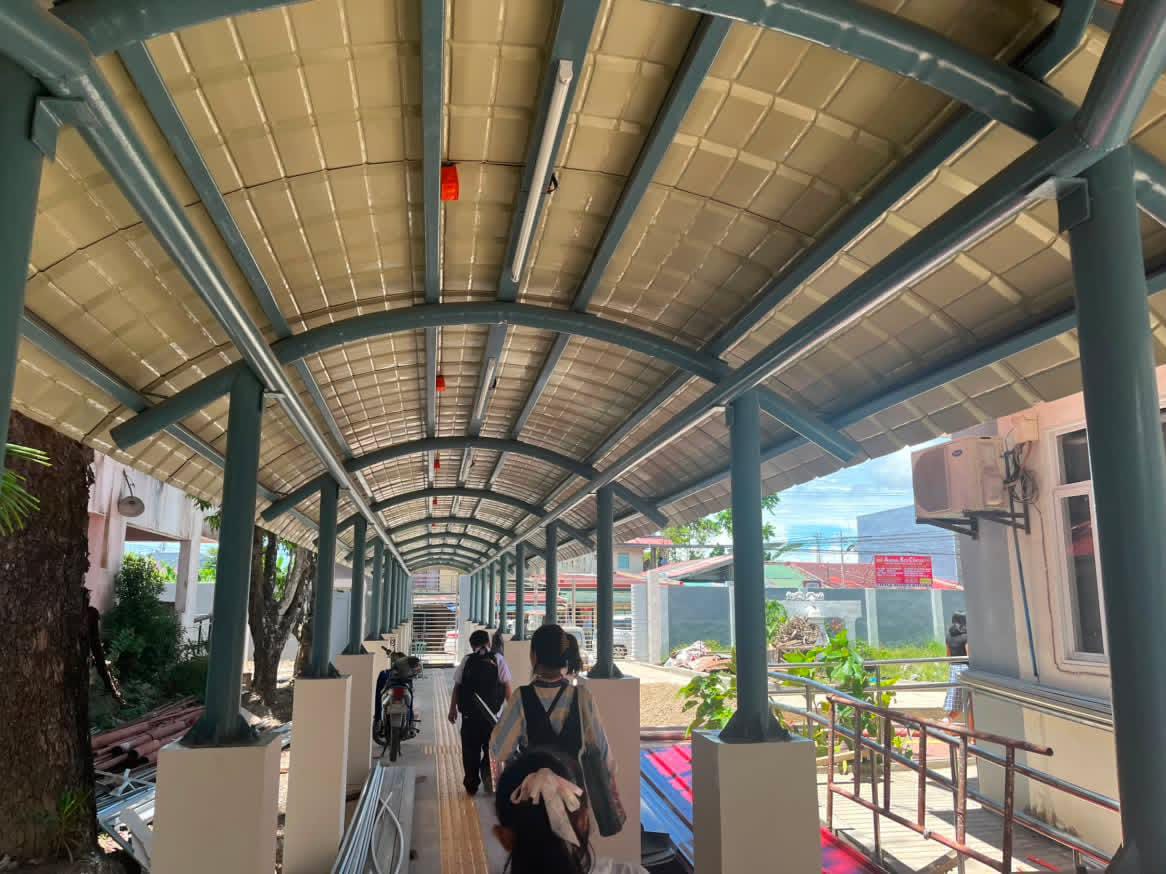
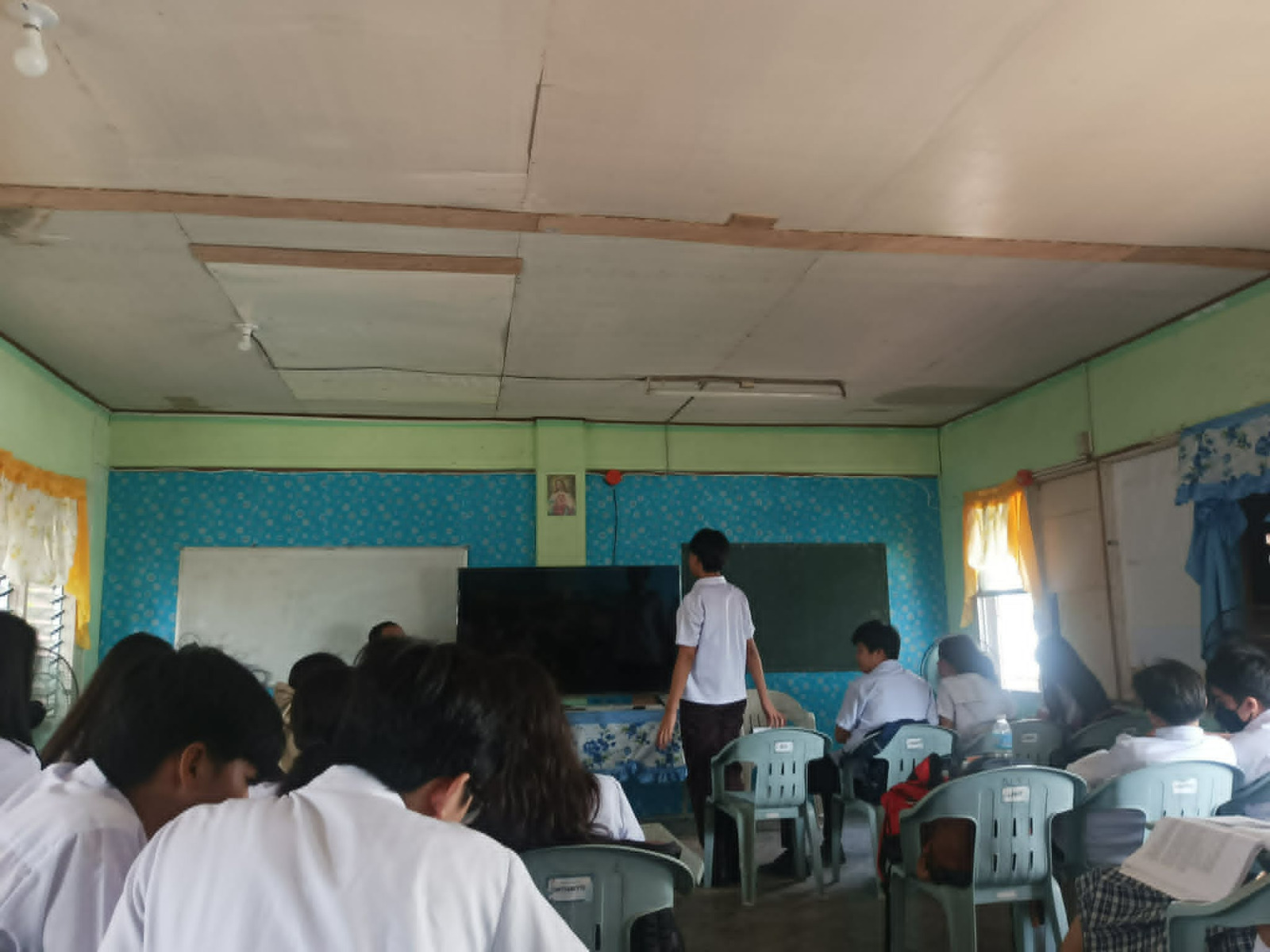
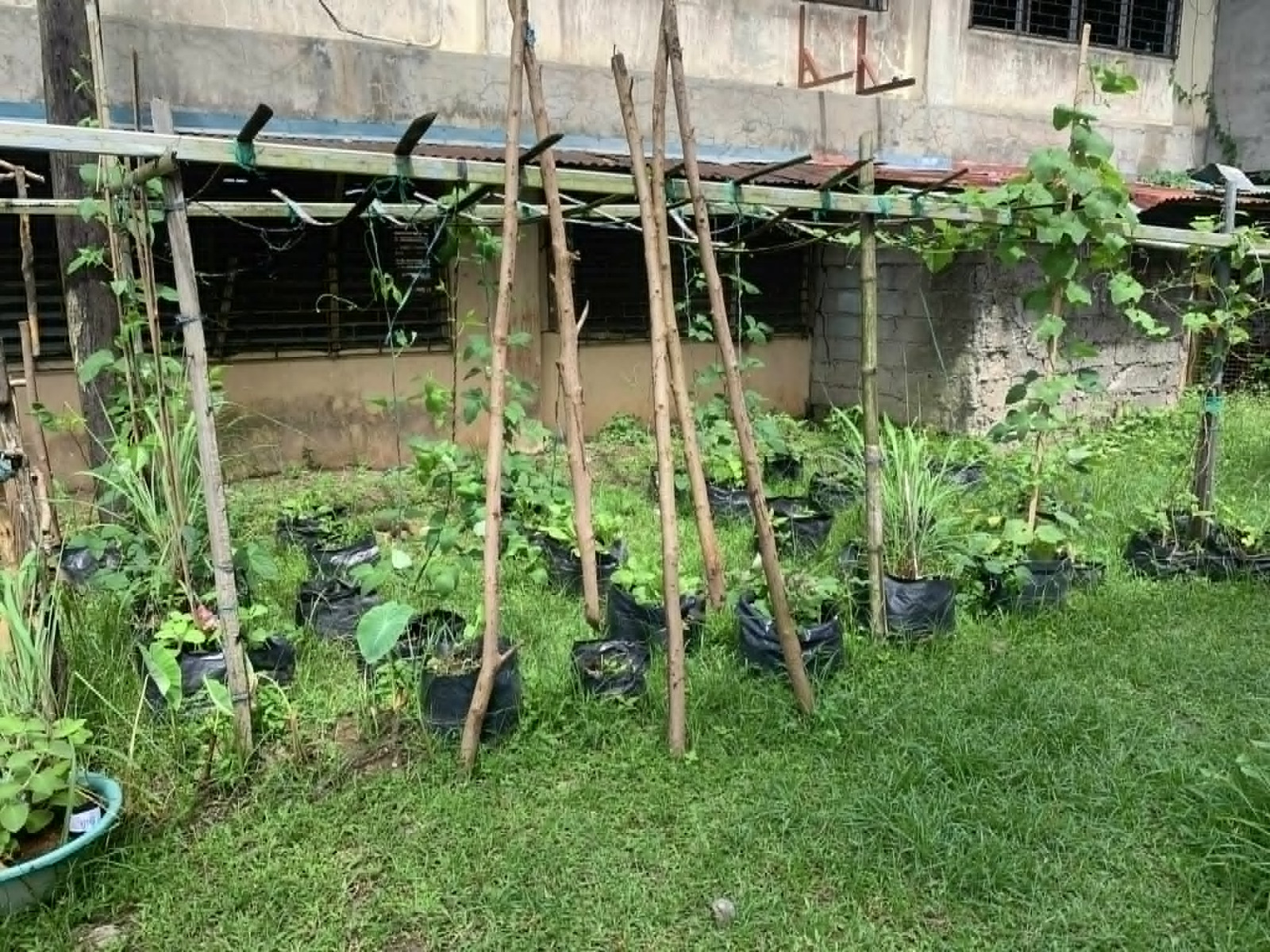
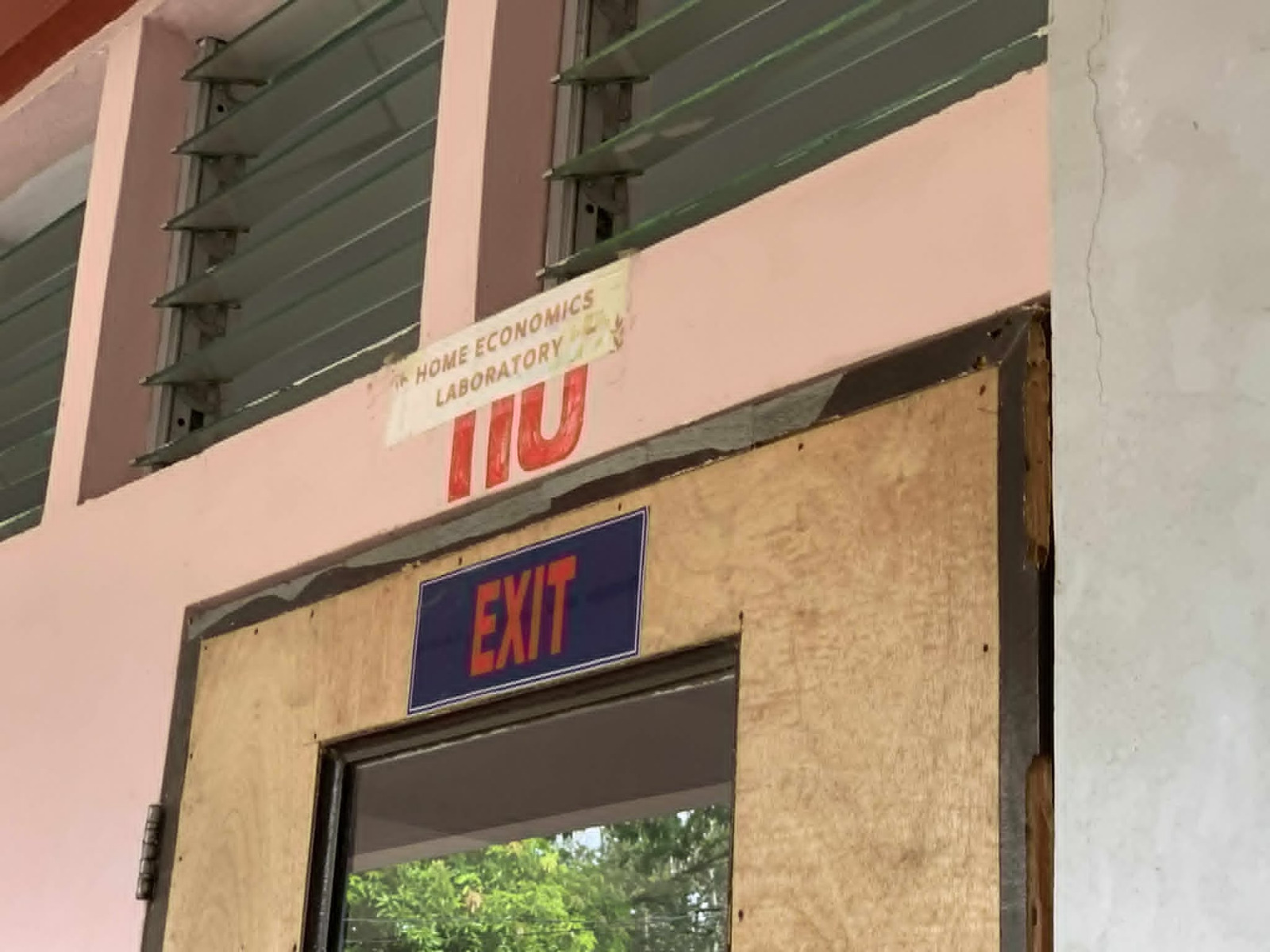
To support instruction, Abaño Campus seamlessly blends modern technology, traditional teaching tools, and structured curriculum resources. In my Grade 7 classroom, I utilized Smart TVs as the primary medium for digital presentations and interactive visual aids, while simultaneously maximizing the traditional blackboard for real-time problem-solving and note-taking. The primary learning resource for the students is the interactive textbook Science Links: Worktext for Scientific and Technological Literacy, Grade 7, which aligns with the MATATAG Curriculum's emphasis on inquiry-based learning. Beyond the classroom, student engagement was significantly elevated by the school's comprehensive academic facilities, including fully equipped Science Laboratories for hands-on experiments, a high-ceilinged Library for intensive study, and a spacious Audio Learning Resource Center designed for mass viewing and school-wide activities.


Teaching & Grading System

Operating under CHED rather than DepEd, Abaño Campus functions as a true educational "laboratory" for the University of Camarines Norte, granting it the academic autonomy to design its own instructional frameworks while still consciously aligning with the national MATATAG K to 10 Curriculum. Instruction is strictly competency-based, with each subject running on a dedicated 60-minute period guided by a comprehensive Learning Plan structure. While Science and Mathematics typically mandate a rigorous 7E's model, as a pre-service exchange teacher, I was granted the pedagogical flexibility to utilize the simpler 4A's format, Activity, Analysis, Abstraction, and Application, provided I seamlessly embedded the inquiry-based spirit of the 7E's into every lesson.
Academic & Teaching Framework
Grading System & Evaluation
The measurement and evaluation process at Abaño Campus is deeply rooted in authentic, student-centered assessment. In my classroom practice, I implemented a rigorous two-tiered approach consisting of continuous formative assessments, such as real-time "cold-calling" and daily exit slips, alongside summative tests administered immediately at the conclusion of each specific lesson, rather than waiting for a large unit conclusion. For activities and group performances, evaluations were not scored with raw percentages but utilized precise 1-to-4 point analytic rubrics to objectively categorize mastery, ranging from "Beginning" (1-3 points) to "Excellent" (10-12 points). Meanwhile, for standard written assessments, my mentor, Sir Bryan, instructed me to calculate daily grades using the traditional 60-base transmutation formula:

Cultural Profile
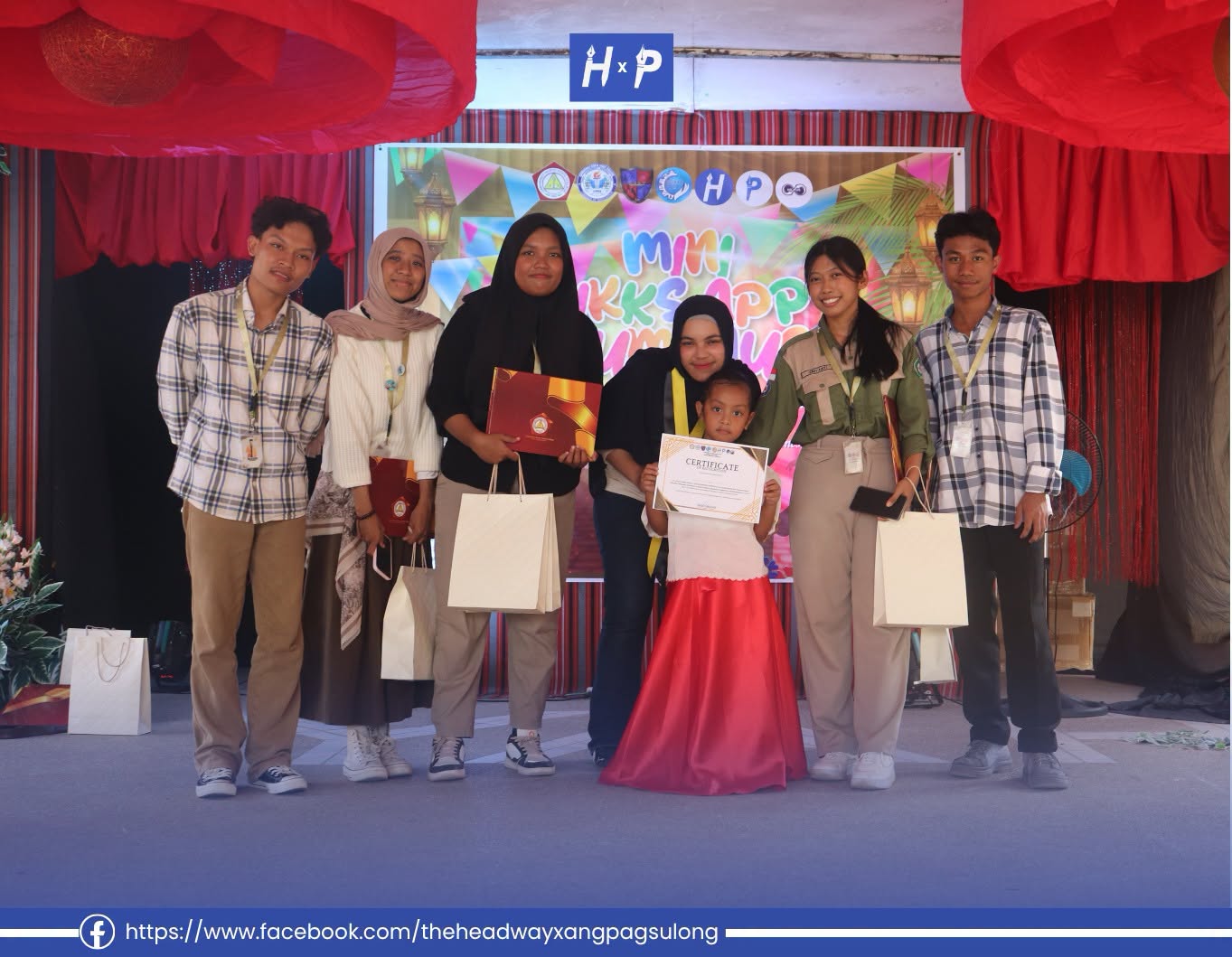
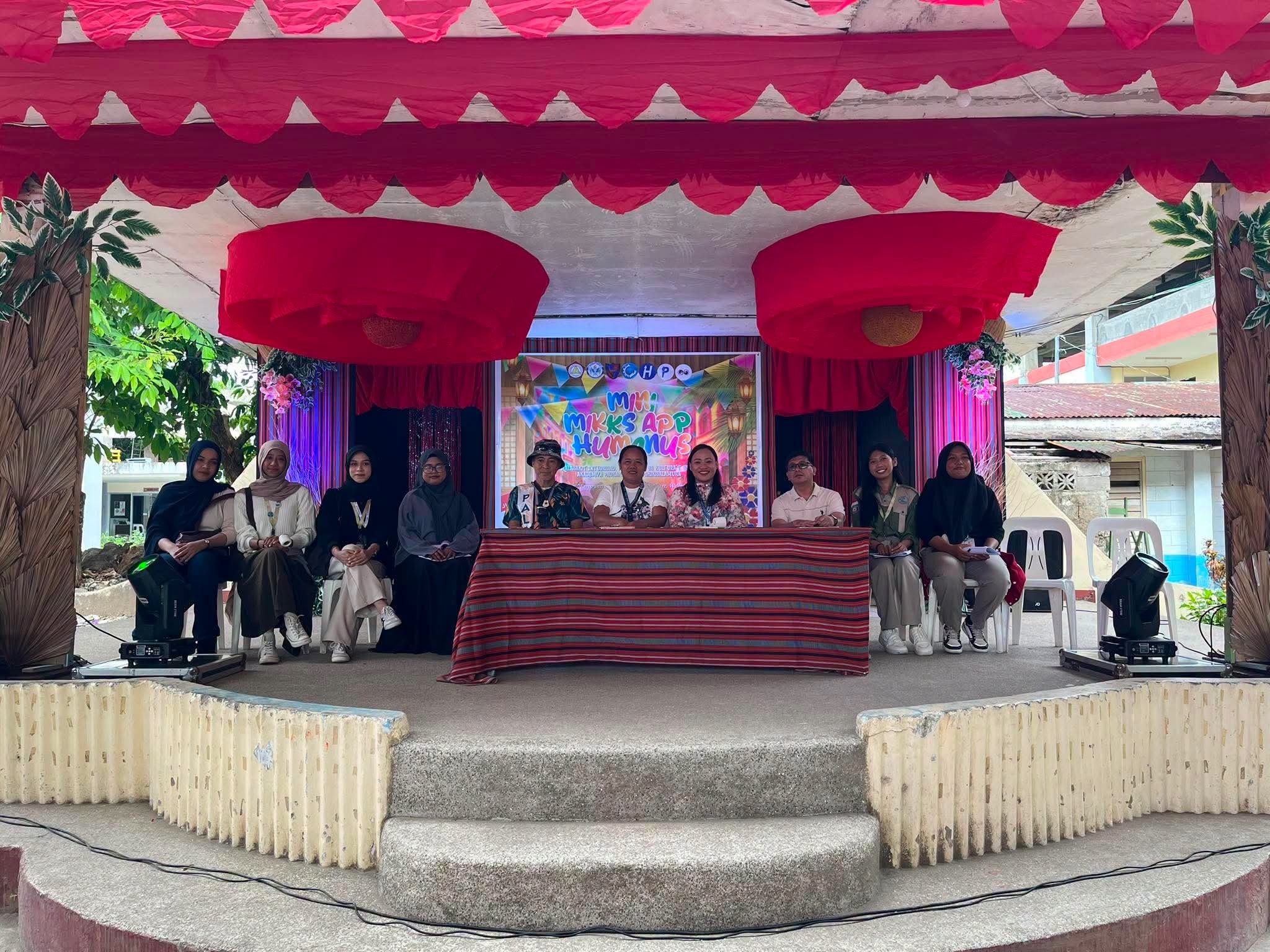
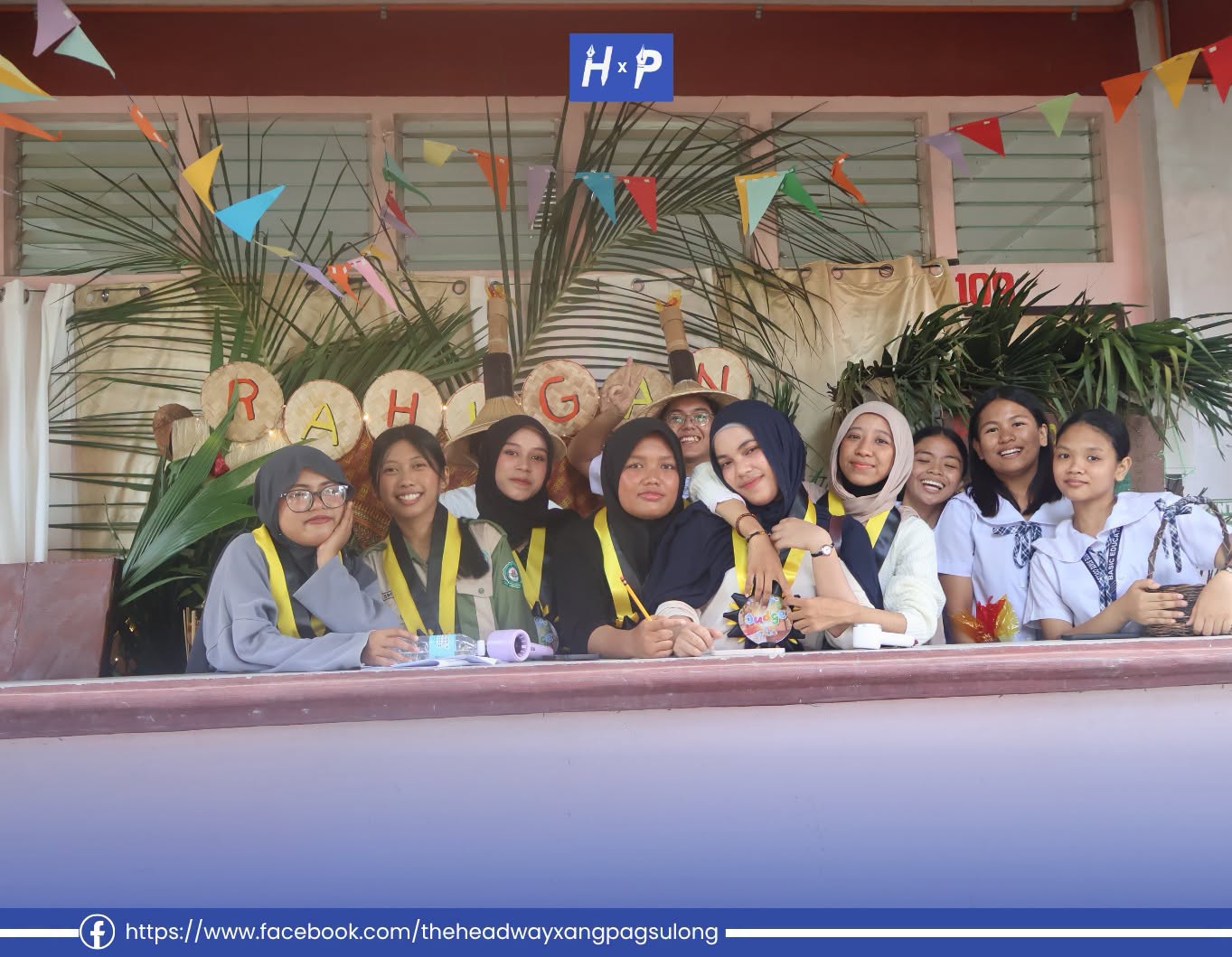
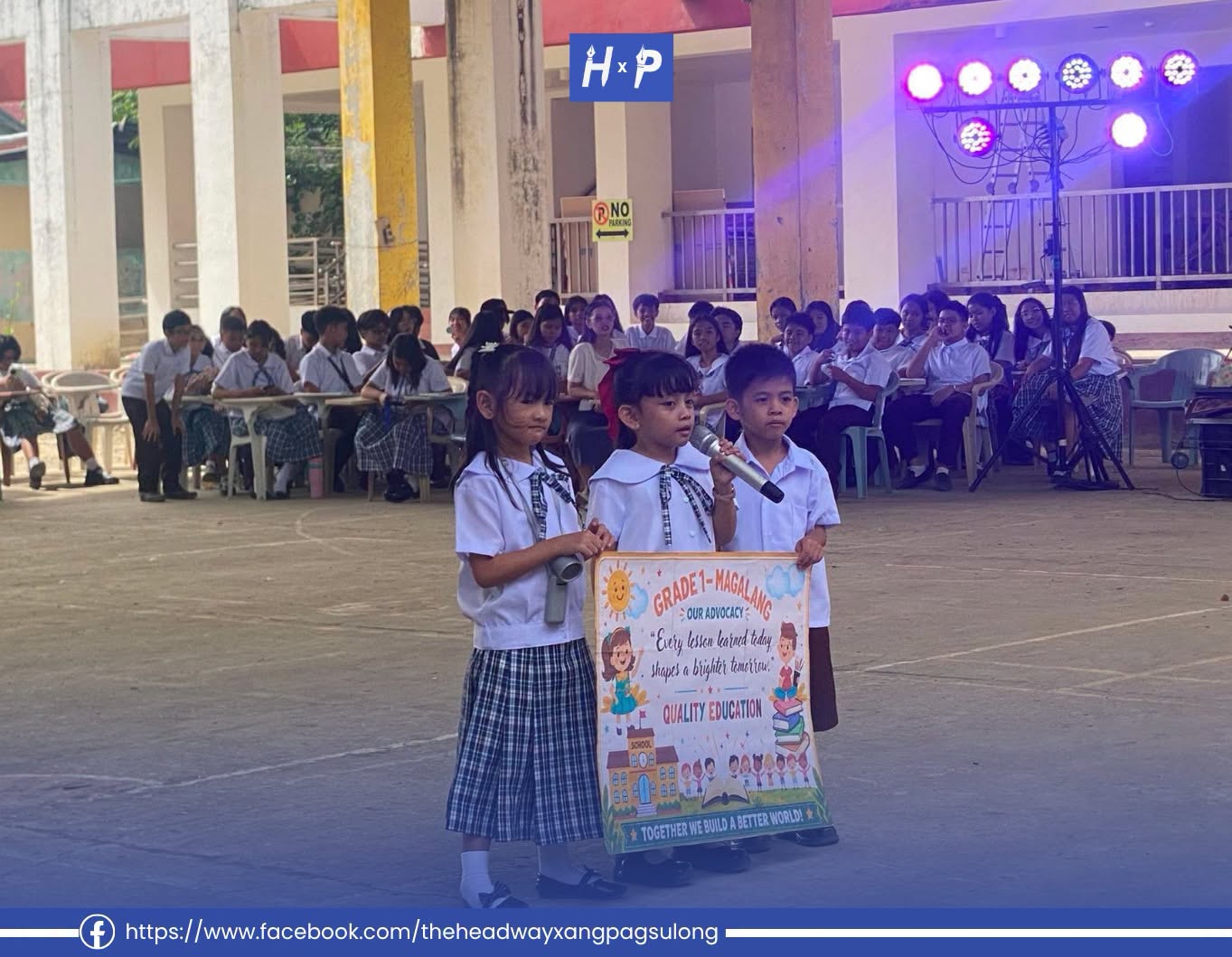
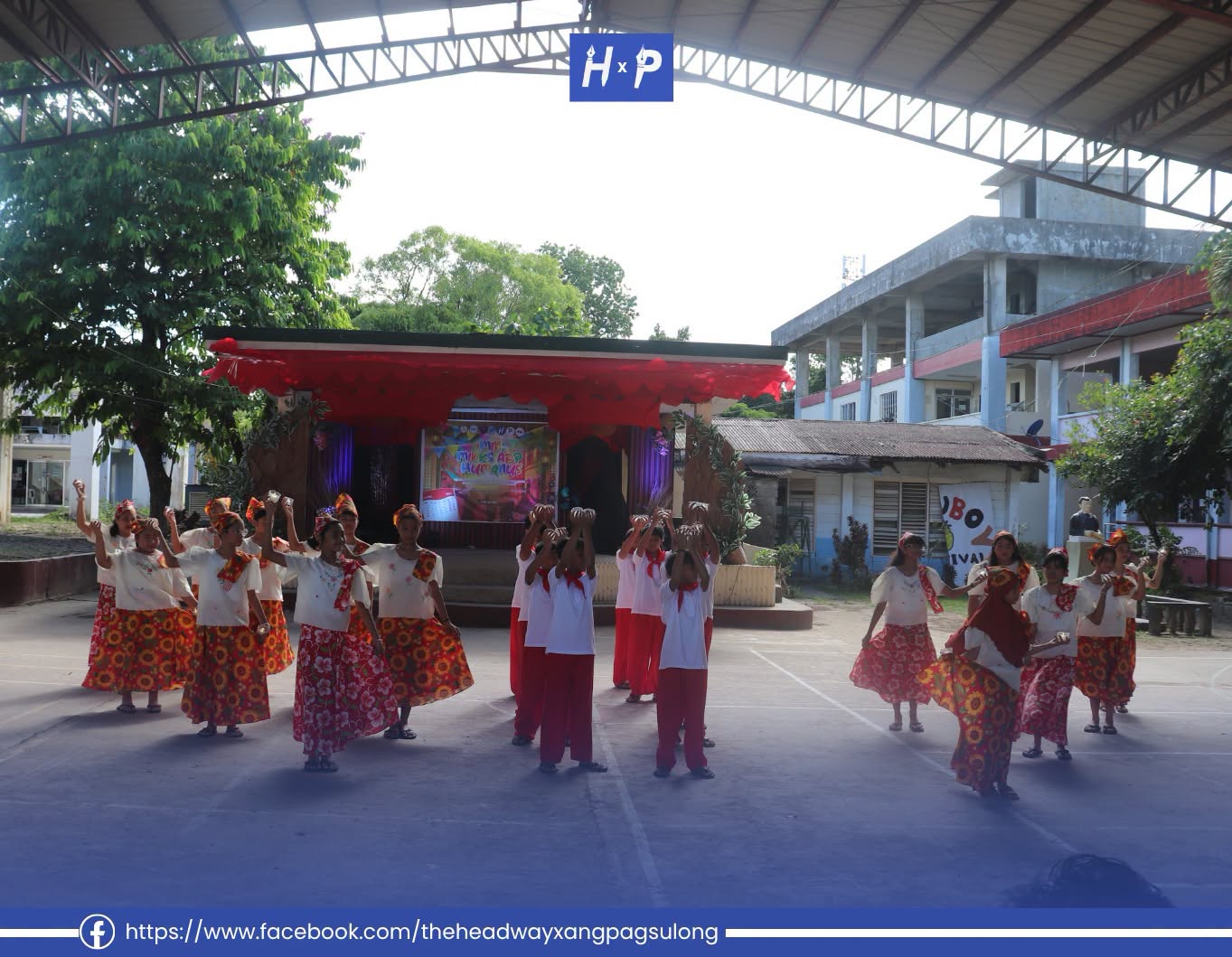
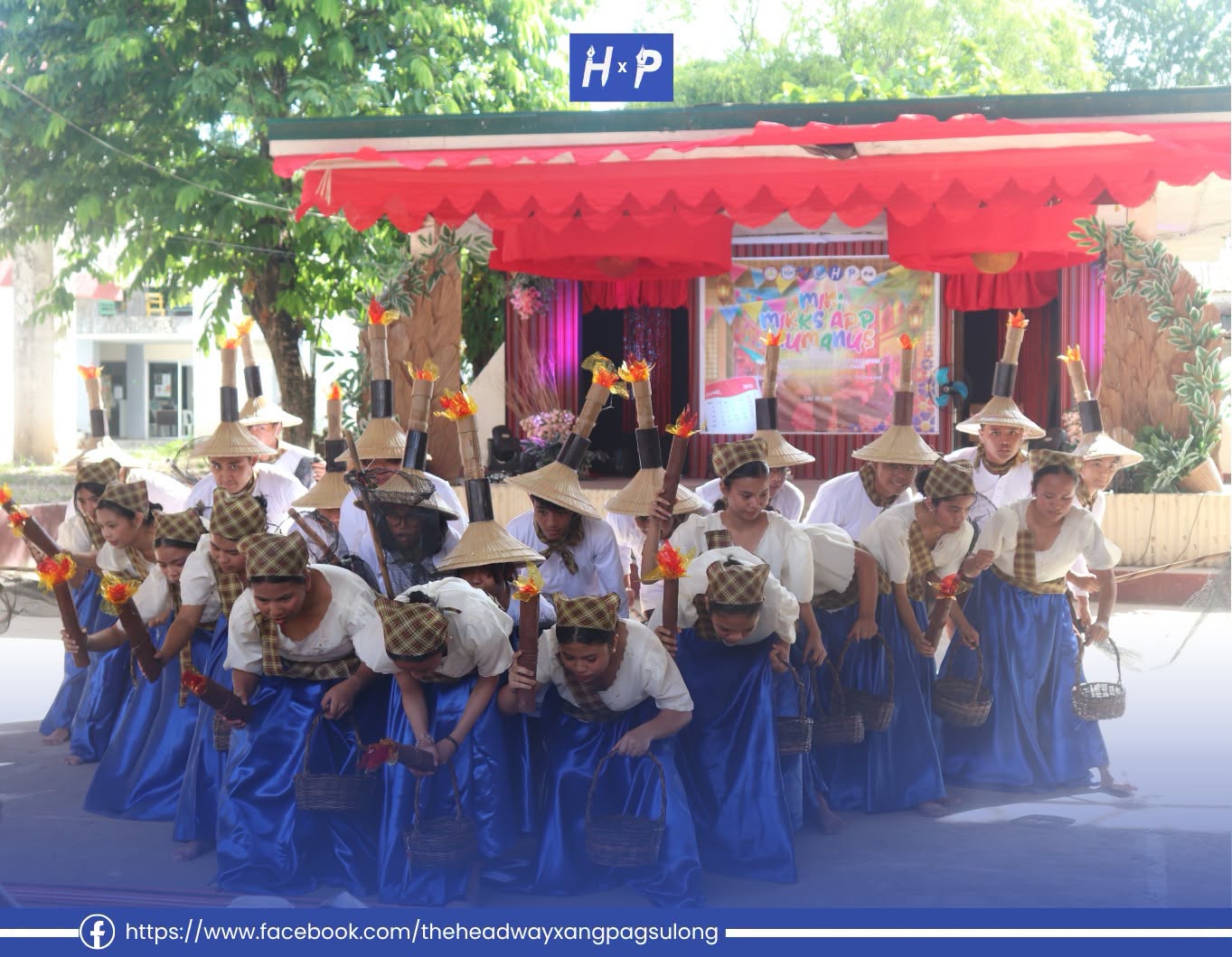
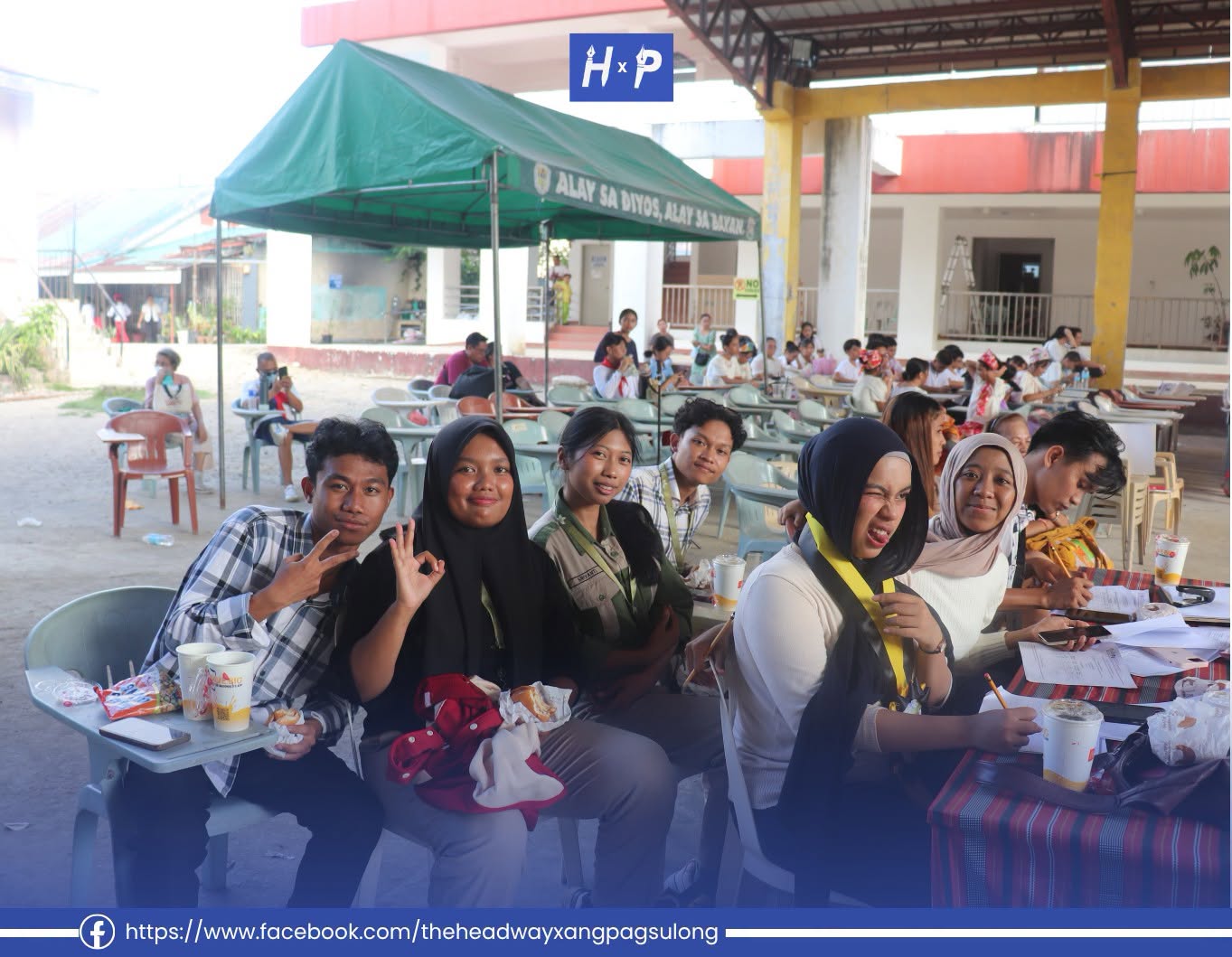
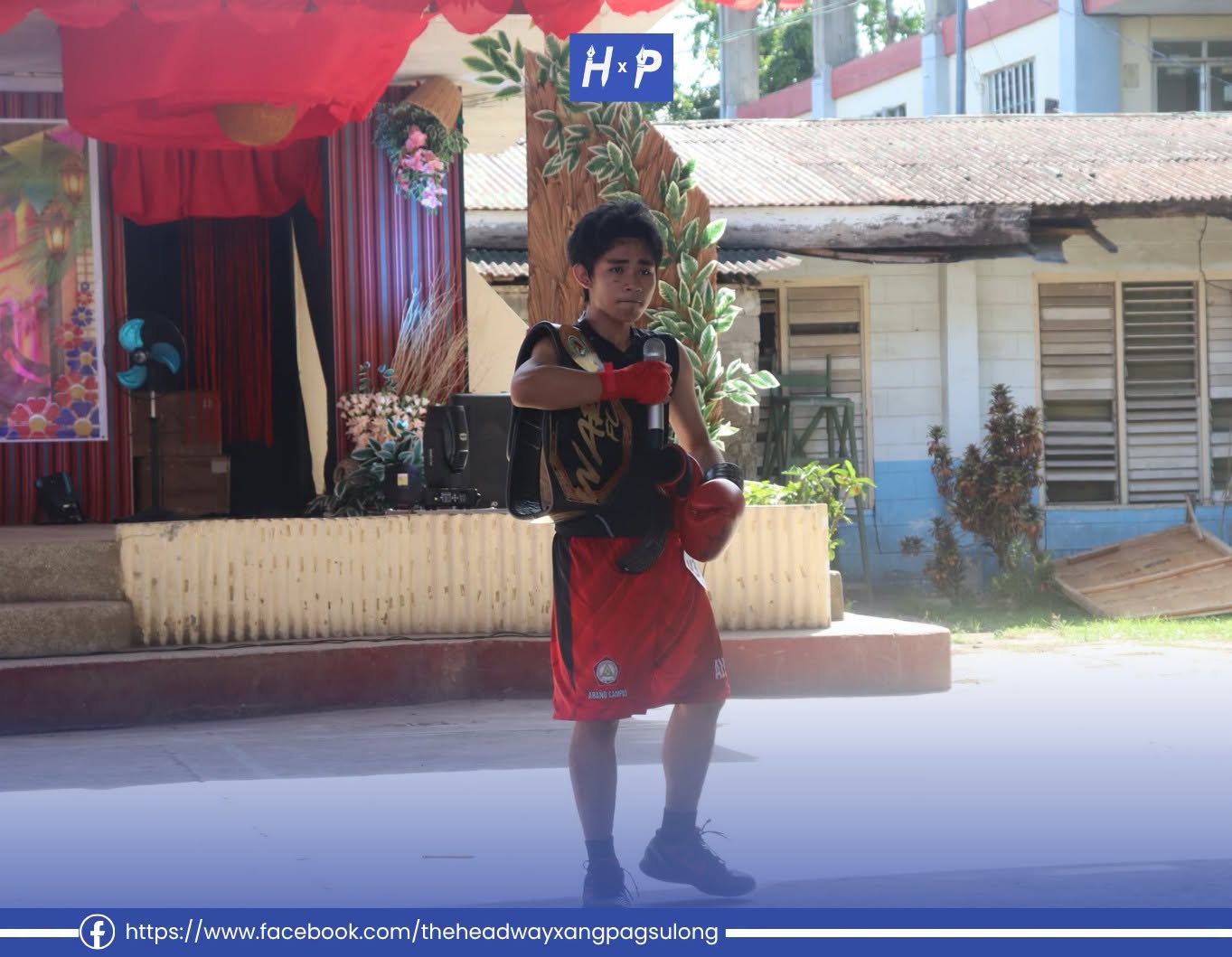
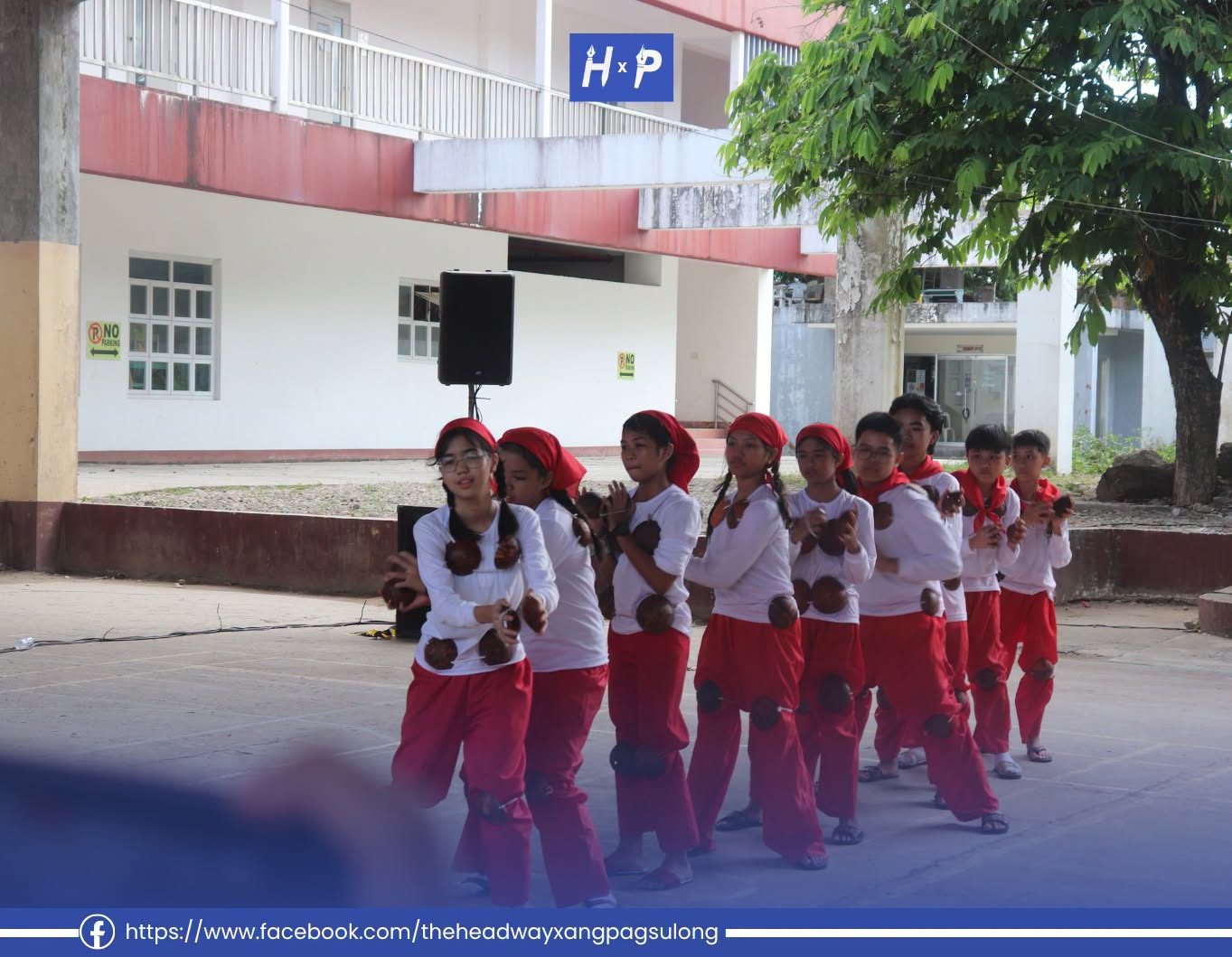
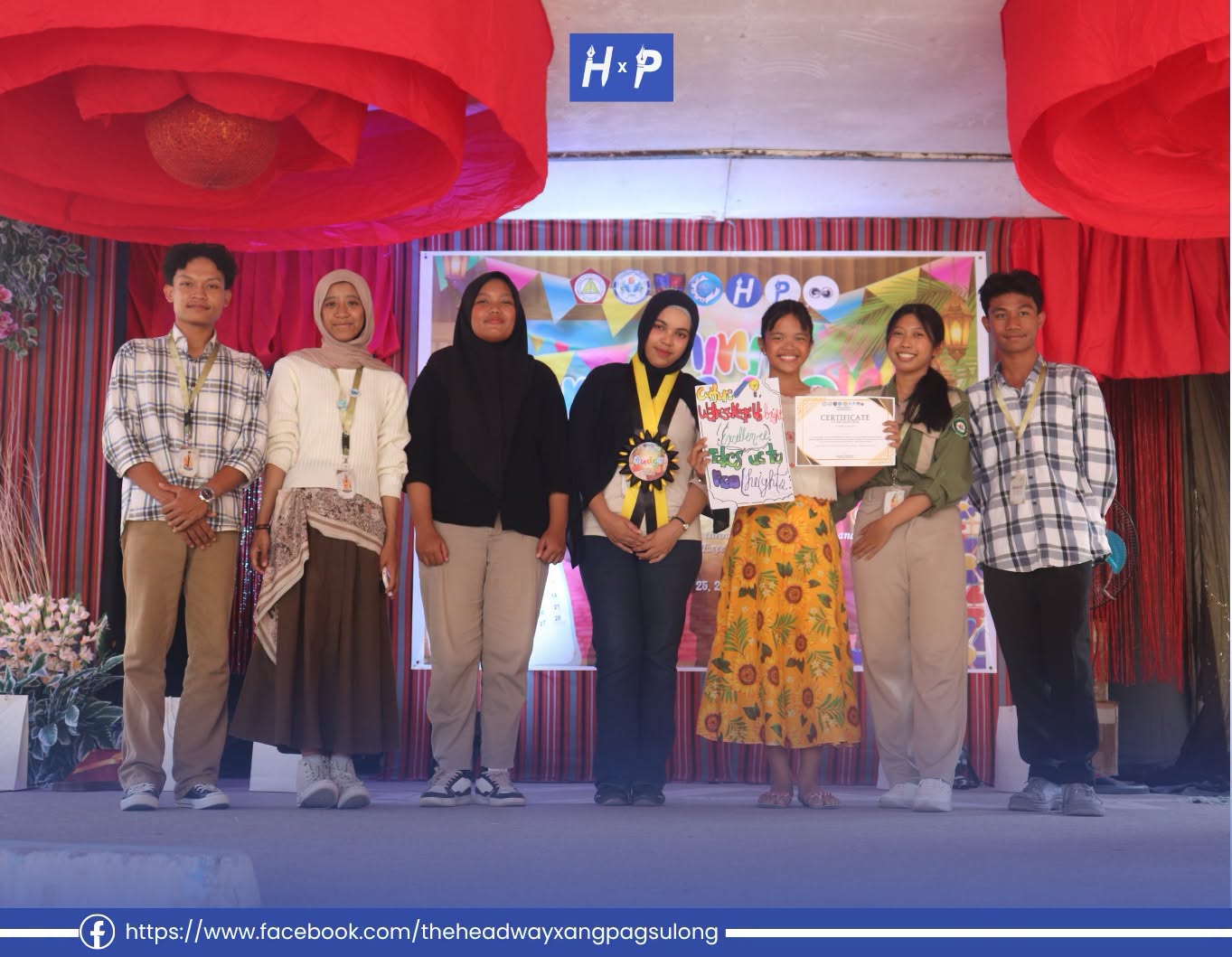
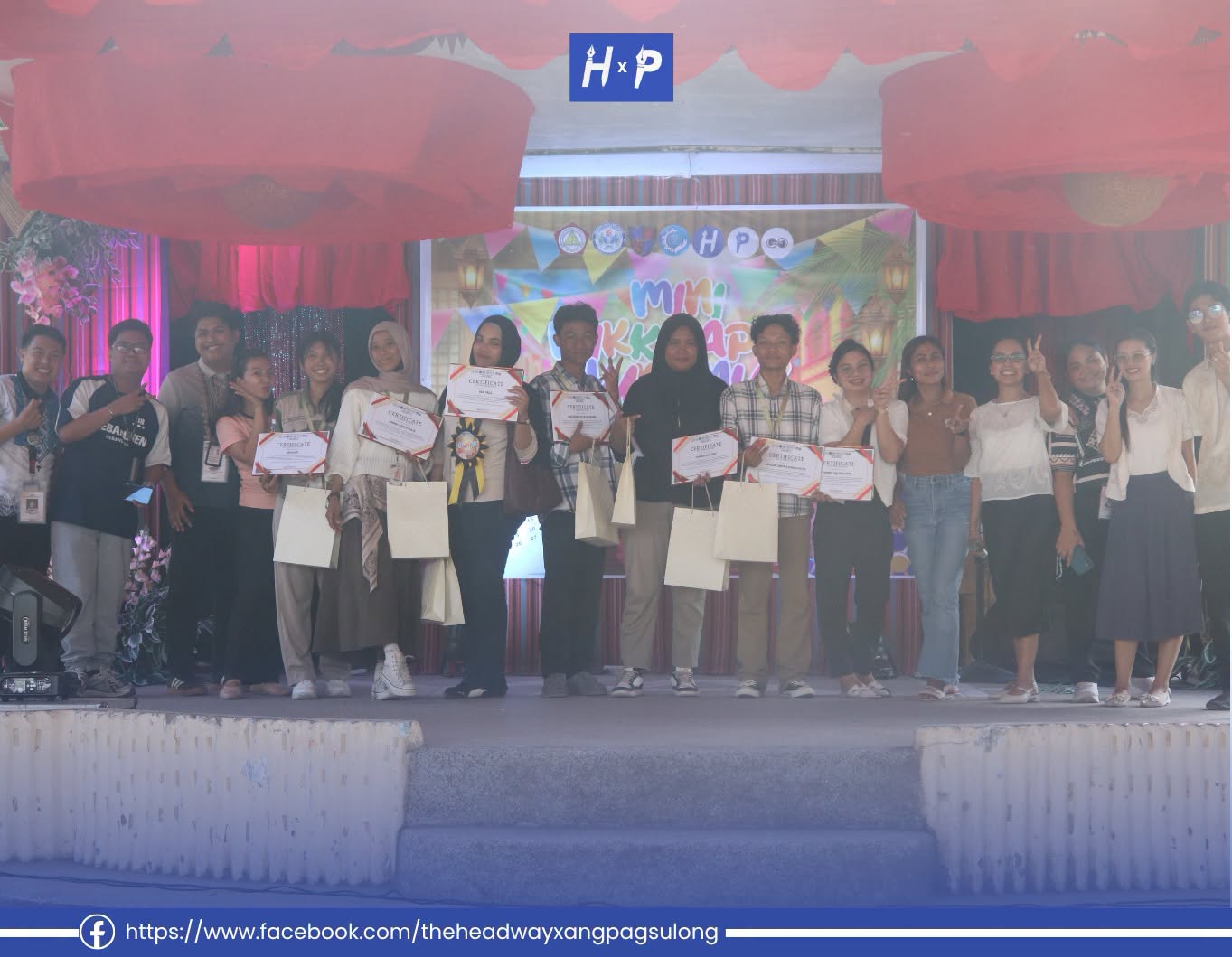
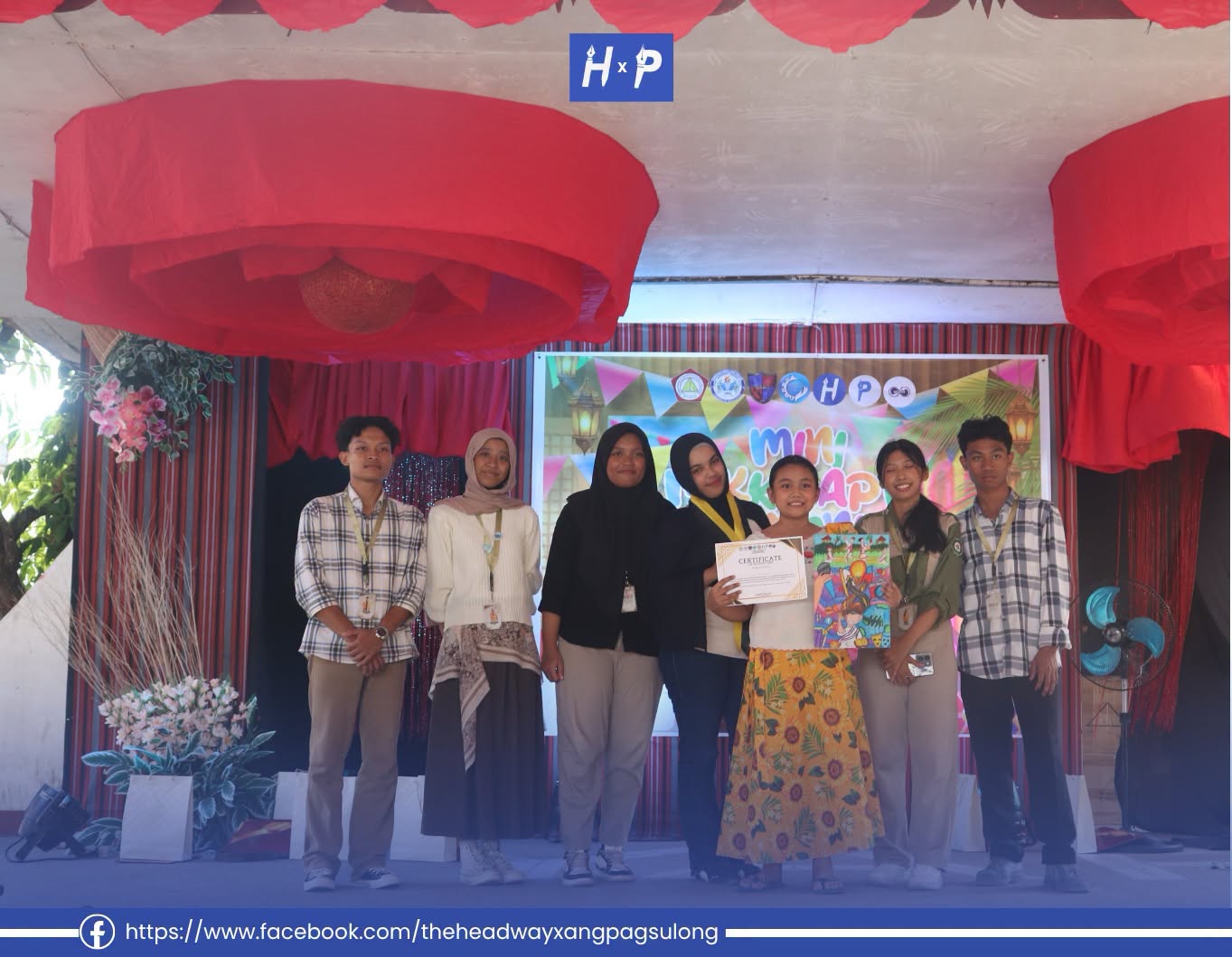
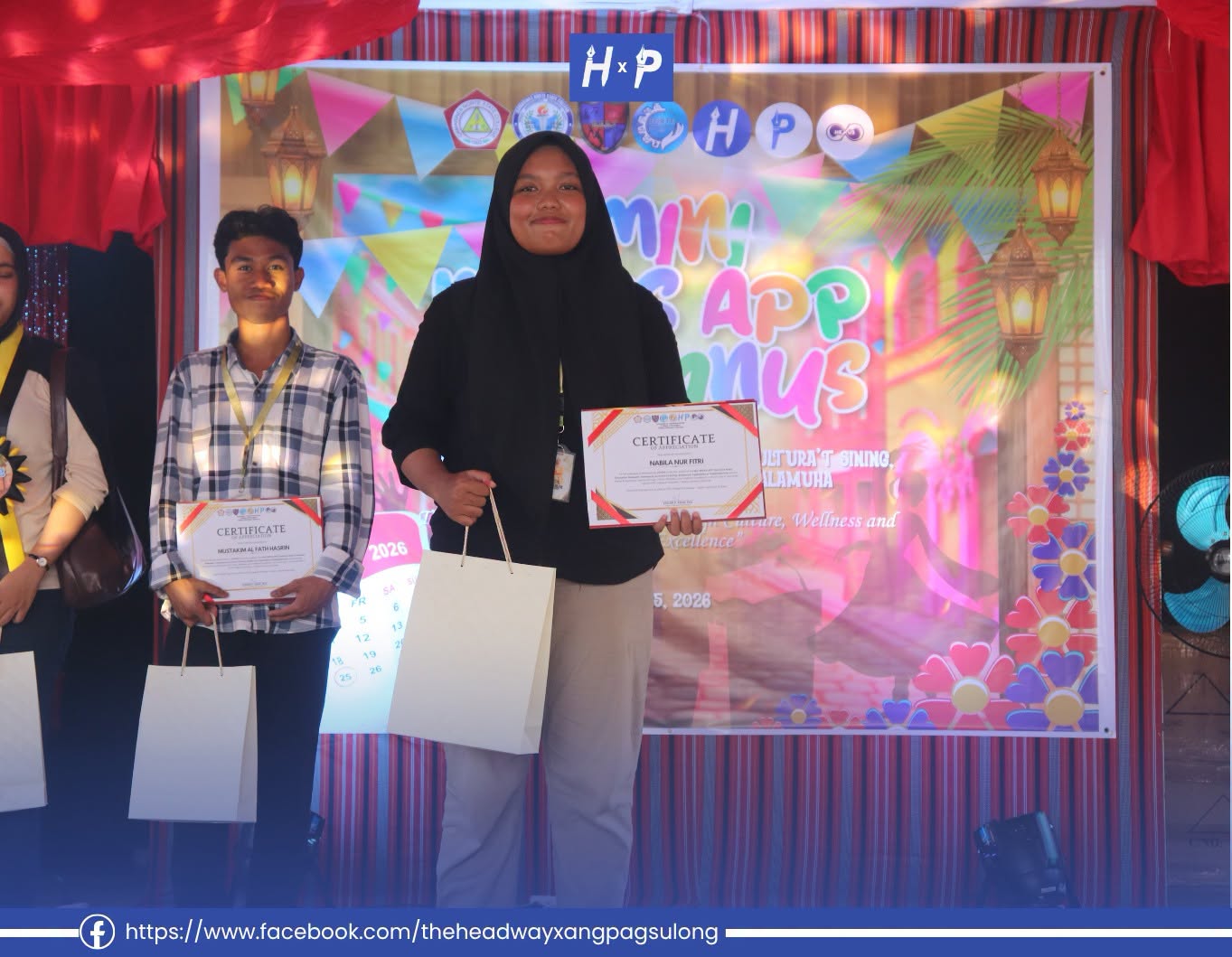
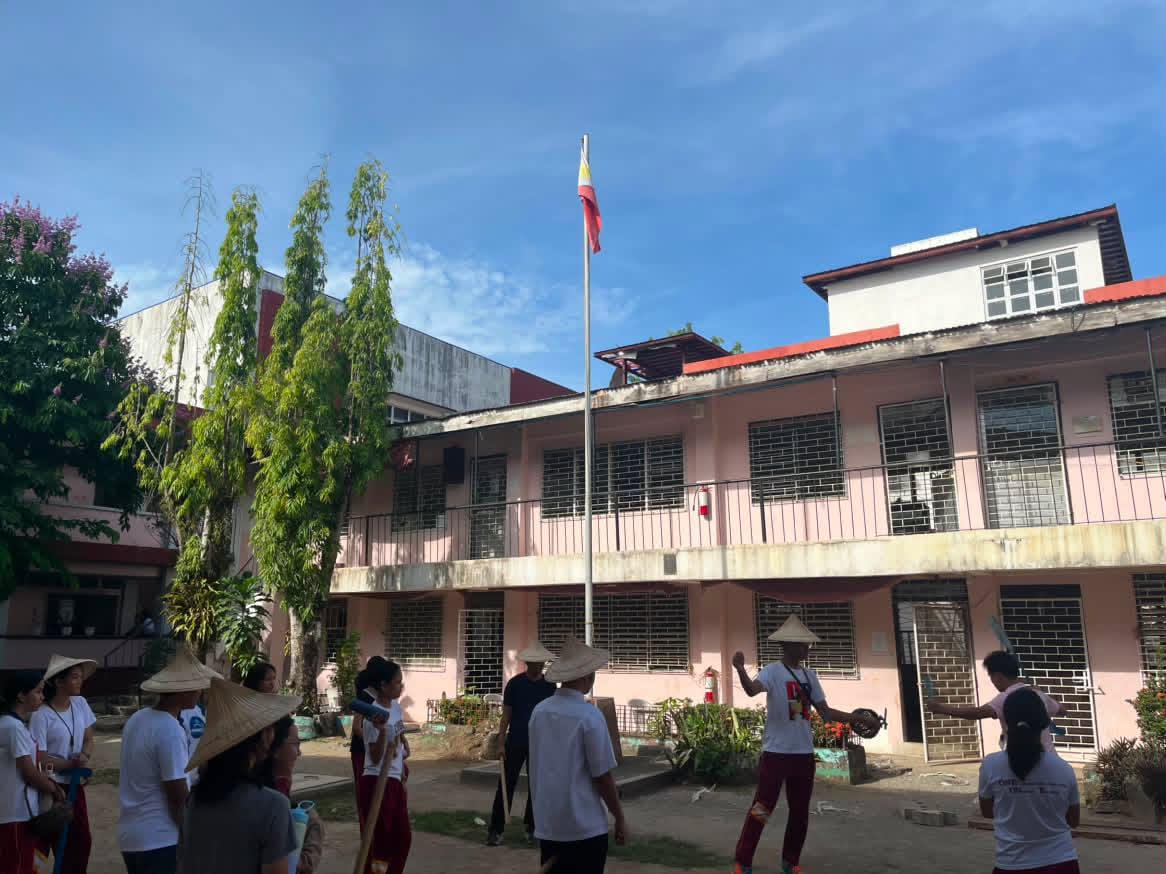
The institutional culture of Abaño Campus Laboratory School extends significantly beyond standard academic instruction, placing a strong emphasis on holistic learner empowerment, social awareness, and cultural preservation. This vibrant cultural environment is best exemplified by the school's signature initiatives, such as the Mini MIKKS APP Humanus festival organized by the Basic Education Department. Standing for Malasakit, Kamalayan sa Kultura't Sining, Akademya, Pagkakaisa at Pakikisalamuha, this institutional event operates under the guiding theme of "Empowering Learners through Culture, Wellness, and Academic Excellence".
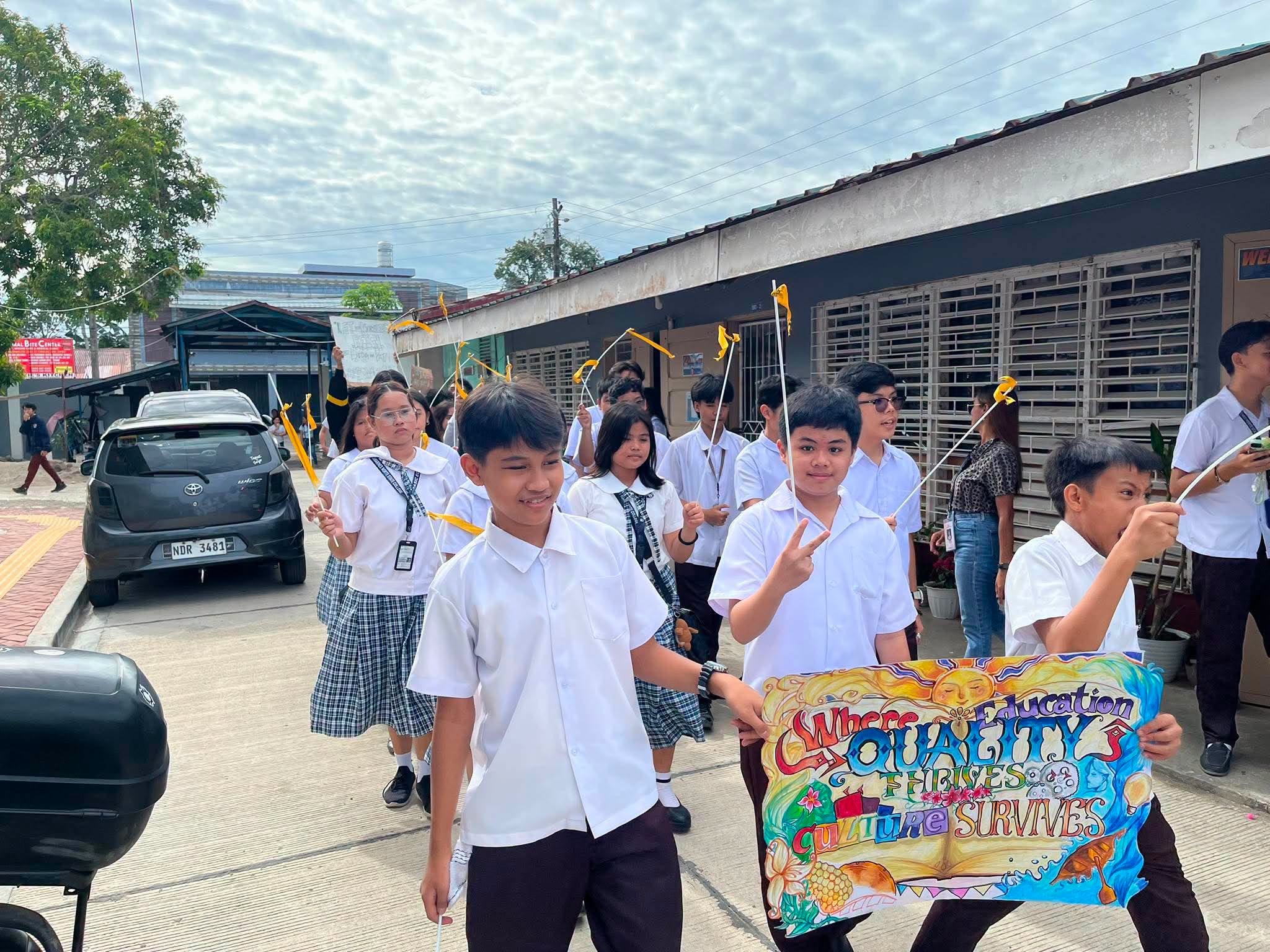
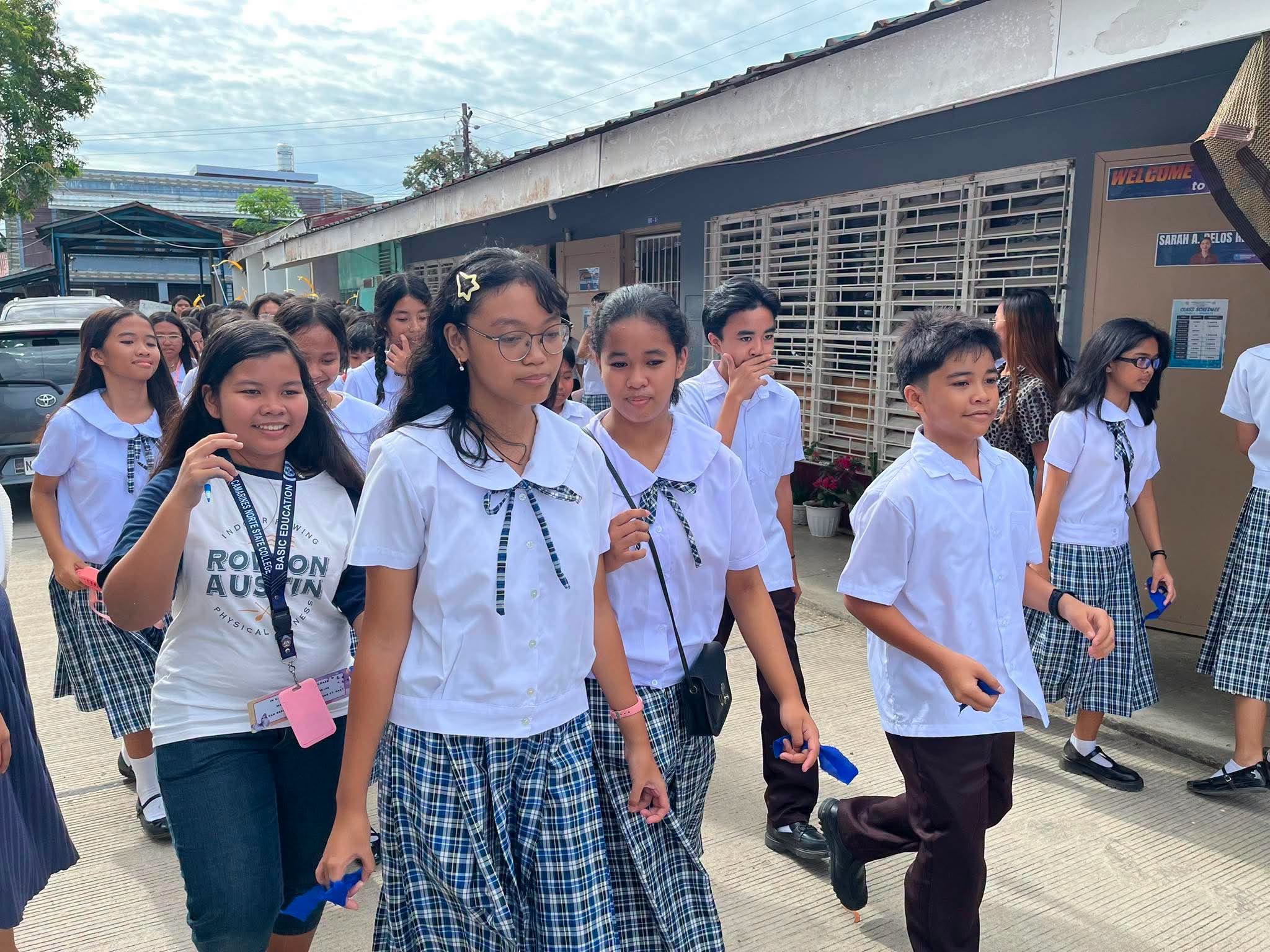
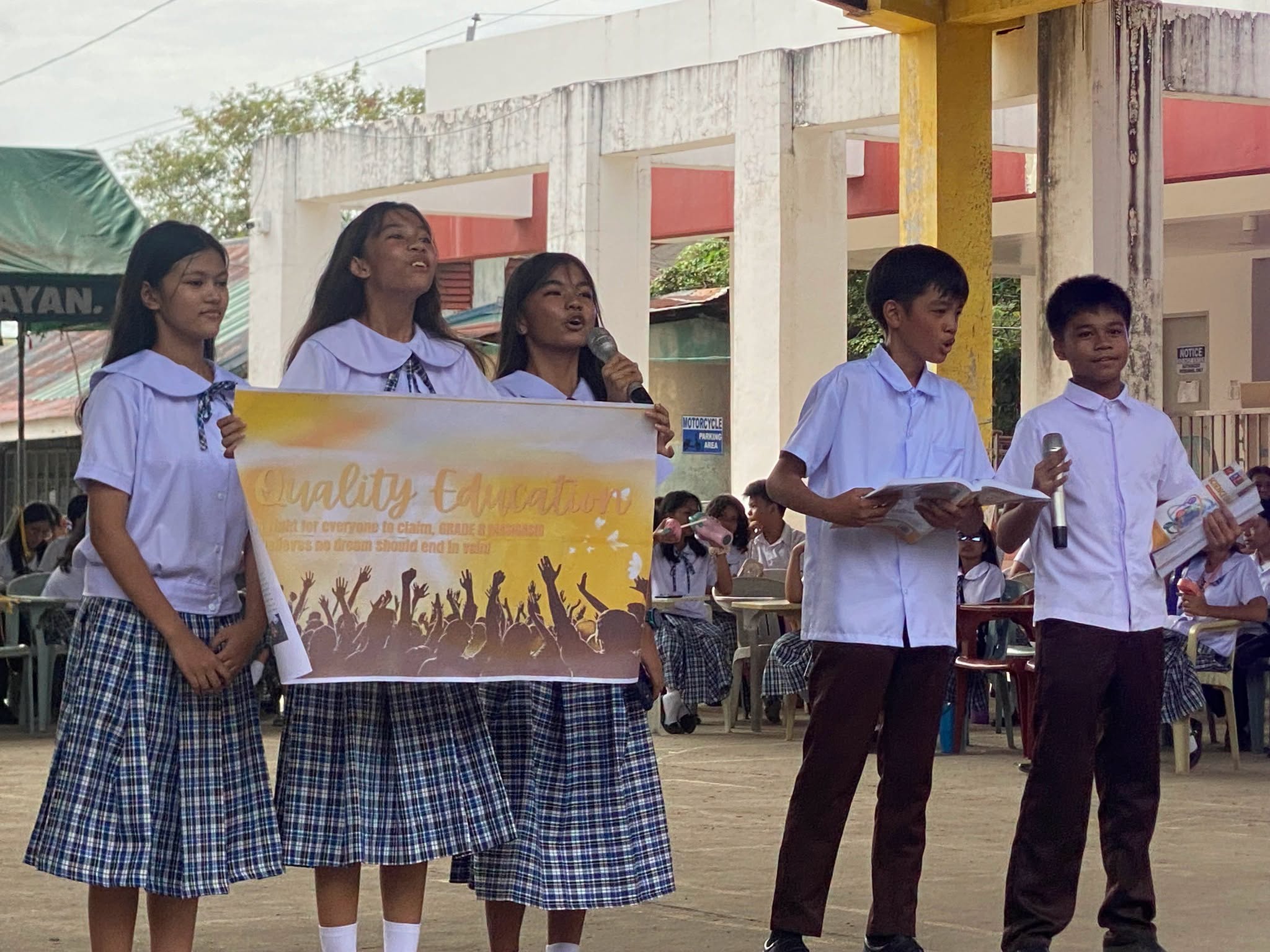
The campus actively champions civic responsibility and the arts, prominently featuring community-building activities like the Lakaw Adbokasiya, a campus-wide parade where Junior High School students actively promote advocacies aligned with Sustainable Development Goal 4 (Quality Education). Furthermore, the institution deeply cultivates Filipino cultural identity through diverse platforms, ranging from traditional Folk Dancing Competitions and Character Monologues to collaborative expressions like the Presentasyon ng Adbokasiya and extemporaneous speaking. Through these comprehensive engagements, Abaño Campus establishes an educational environment that seamlessly integrates Filipino cultural heritage, holistic wellness, and academic excellence into the daily life of its students.