


Curriculum Framework and Sequencing


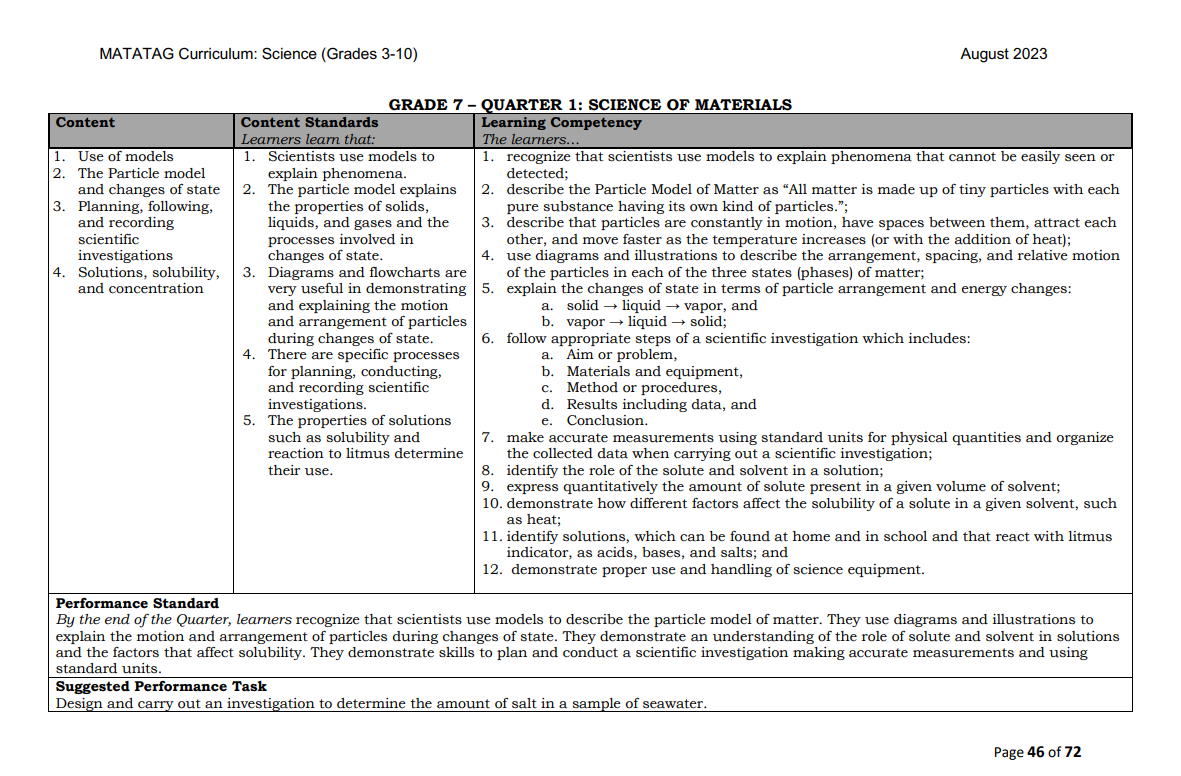
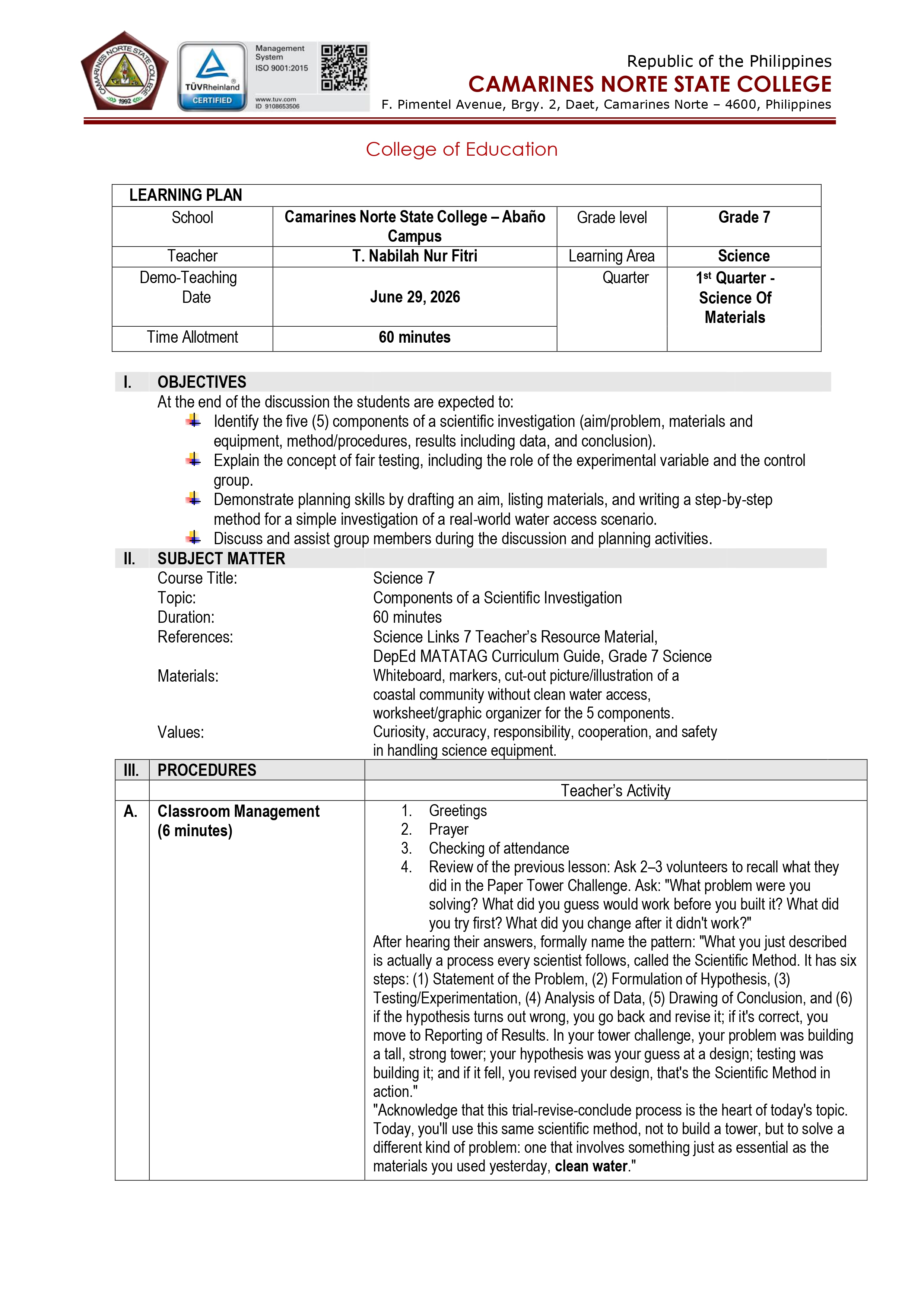
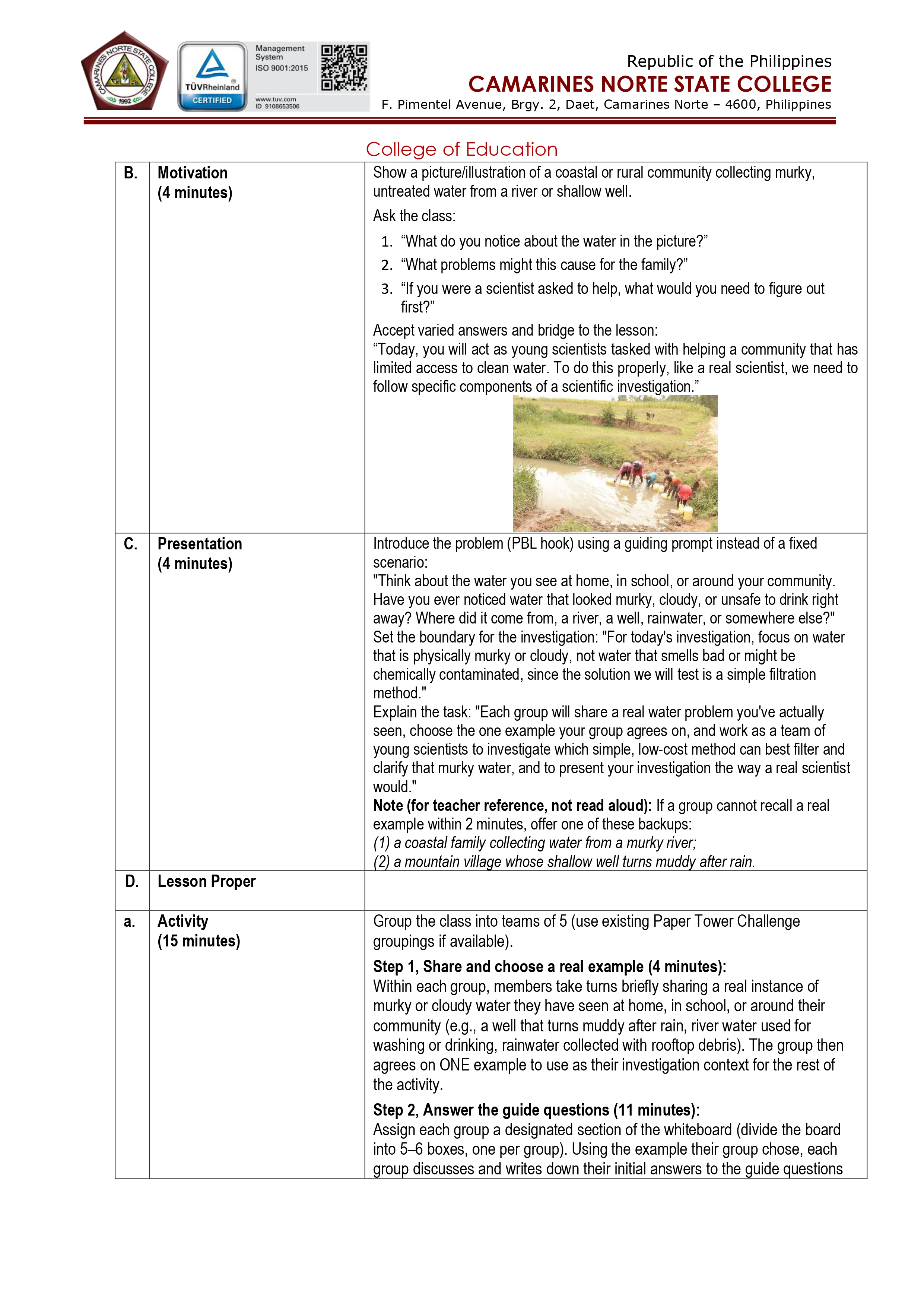
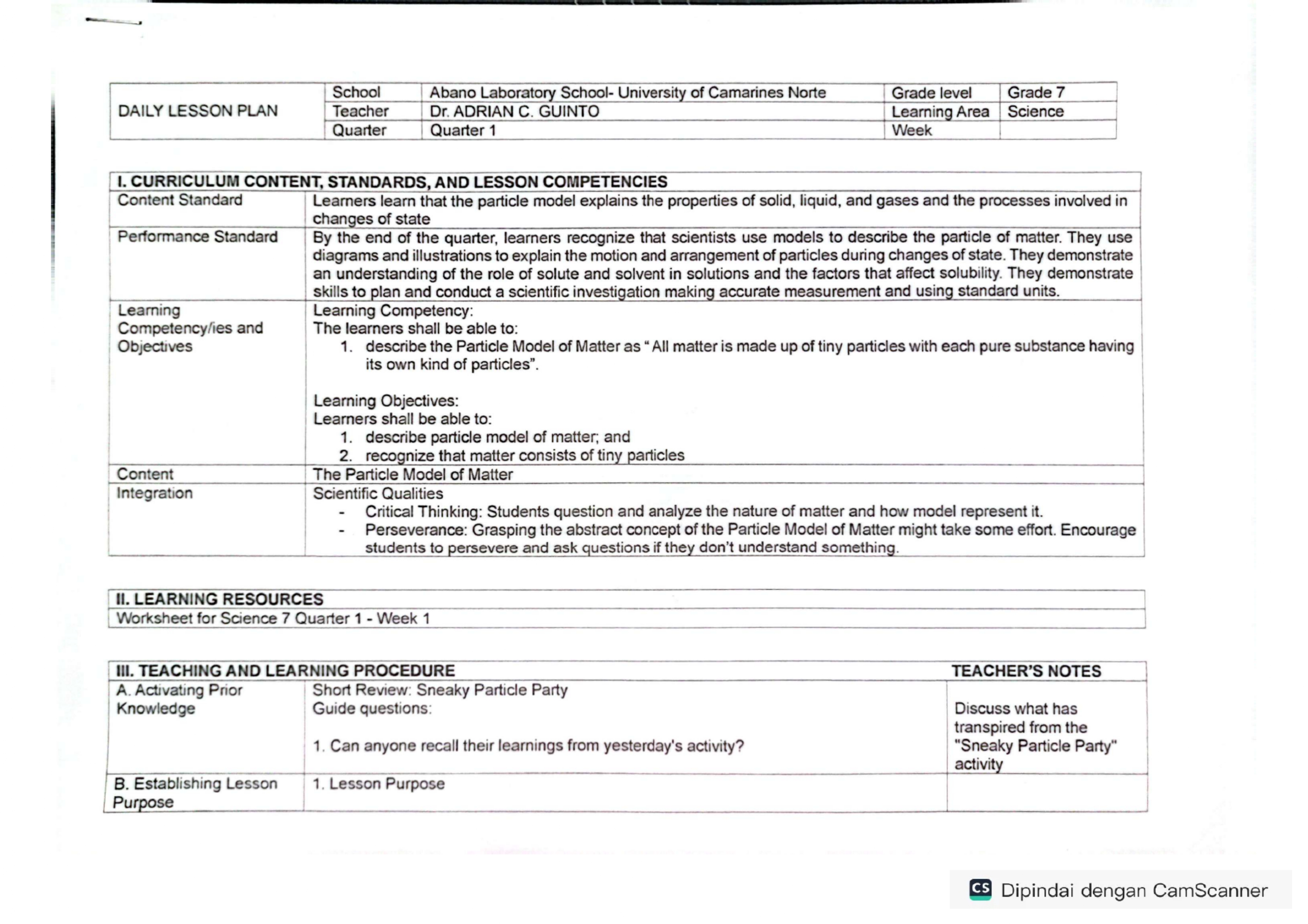
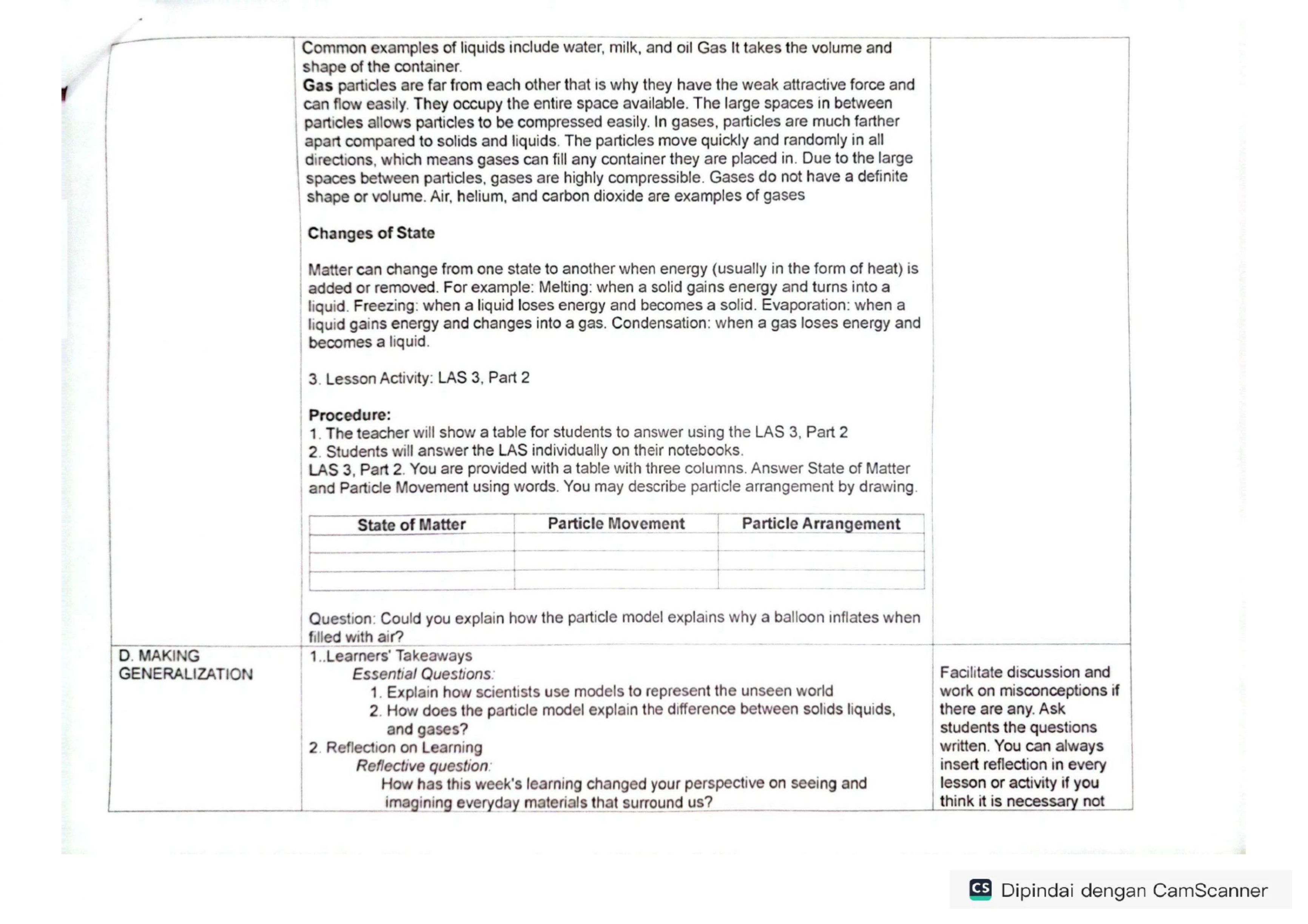
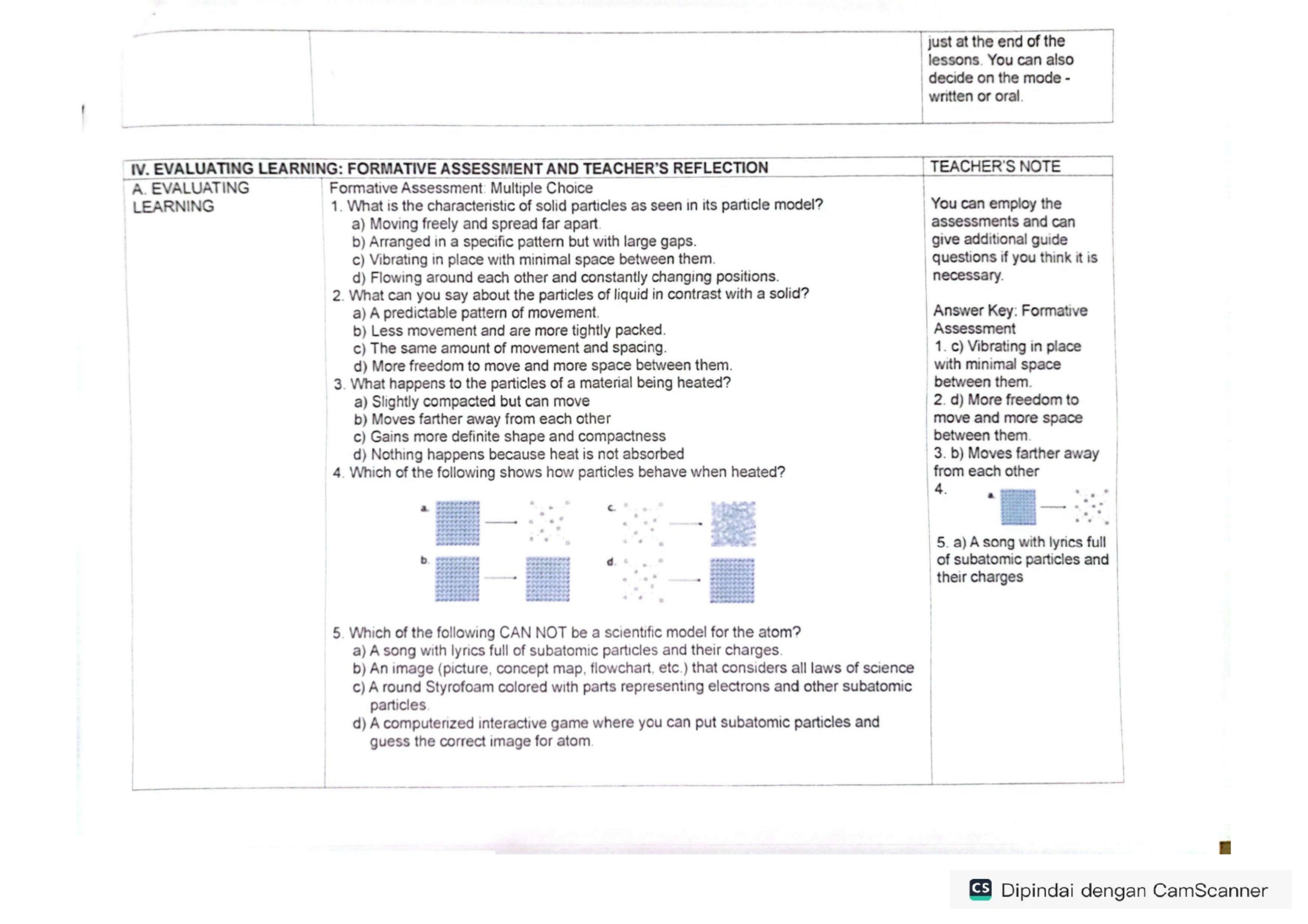
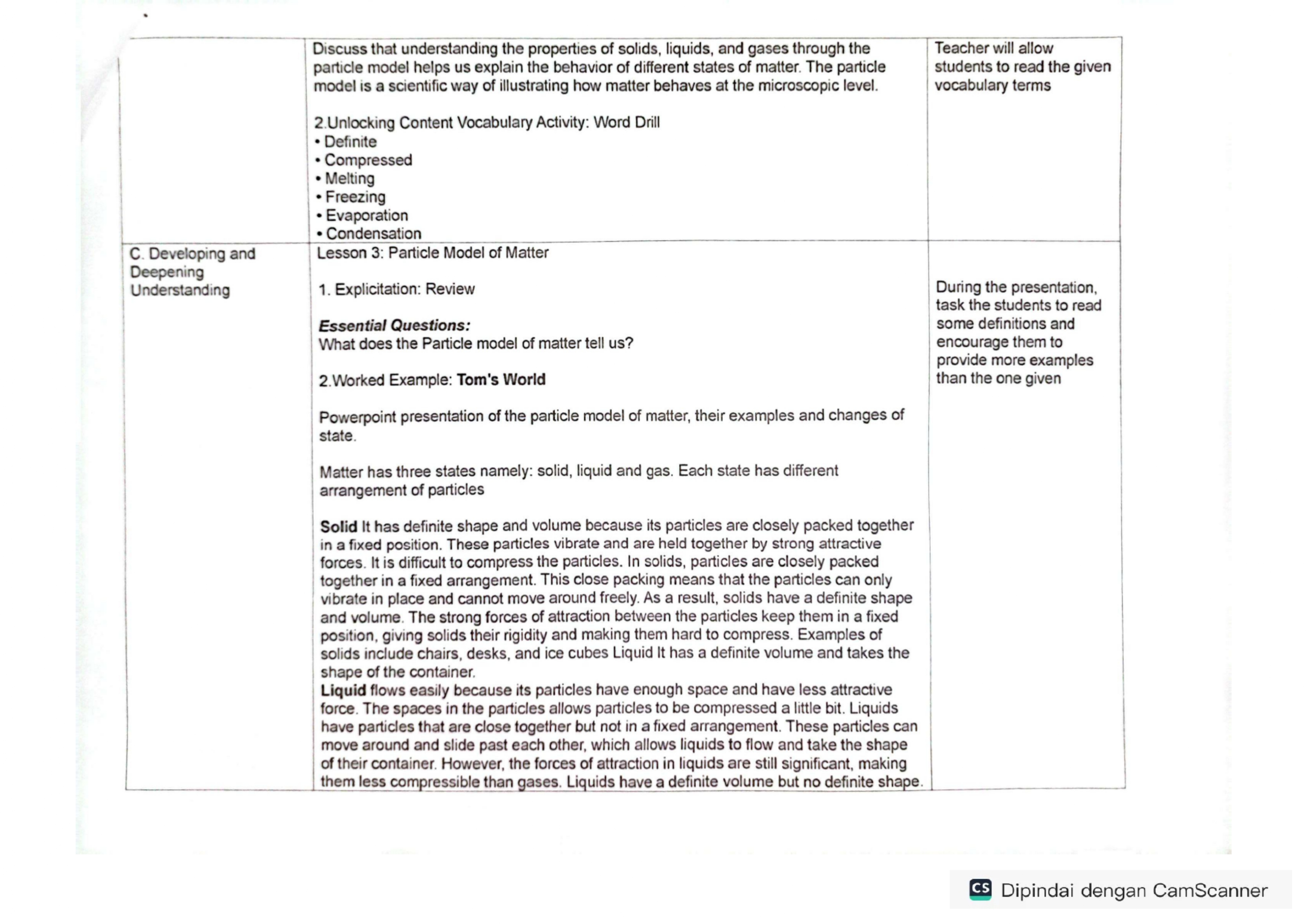


Grade 7 Science instruction at Abaño Campus Laboratory School is anchored firmly in the Philippine Department of Education's (DepEd) MATATAG K to 10 Curriculum. Notably, as a laboratory school under a State University and College (SUC), specifically the University of Camarines Norte, Abaño Campus possesses full academic autonomy to design and implement its own curricular framework independent of DepEd. However, the institution deliberately chooses to align its science instruction with the official MATATAG standards, functioning as an innovative testing ground to apply these national competencies.
The Science curriculum for Grades 3 through 10 is structurally organized into four discipline-oriented domains, which are systematically distributed across the four quarters of the academic year. For Grade 7, the curriculum is sequenced as follows:
-
First Quarter: Science of Materials
-
Second Quarter: Life Science
-
Third Quarter: Force, Motion, and Energy
-
Fourth Quarter: Earth and Space Science
Quarterly Content and Authentic Application
A defining feature of this curriculum is its emphasis on inquiry-based learning and real-world application, which is measured through quarterly performance tasks.
-
Quarter 1 focuses on scientific models, the Particle Model of Matter, and conducting scientific investigations, culminating in an authentic task where learners design an investigation to determine the salt concentration in seawater.
-
Quarter 2 delves into cellular biology and biological organization, requiring students to create visual representations of ecosystem trophic levels.
-
Quarter 3 addresses physics and heat transfer, tasking learners with developing community brochures on sustainable energy technologies.
-
Quarter 4 explores Earth systems and disaster readiness, challenging students to design and evaluate model houses capable of withstanding simulated earthquakes.
Alignment with the Teaching Practicum
My specific teaching practicum was situated within the First Quarter (Science of Materials), focusing specifically on Unit I: Nature of Science. This unit is broken down into highly targeted, competency-based lessons, specifically Lesson 1.1 (Doing Scientific Investigation) and Lesson 1.2 (Measurement). Rather than treating these sub-topics as isolated facts, the curriculum is designed so that foundational scientific literacy, such as identifying variables, formulating hypotheses, and executing proper laboratory equipment handling, is systematically developed and individually assessed. This ensures students achieve true conceptual readiness before progressing to more complex scientific phenomena.
Lesson Plan Related to My Subject


At Abaño Campus Laboratory School, lesson planning is not a one-size-fits-all approach but a highly adaptive process designed to meet specific learning competencies. During my practicum, I observed and engaged with three distinct instructional frameworks, successfully translating complex scientific thinking into age-appropriate, inquiry-based lessons for Grade 7 learners.
The Pedagogical Frameworks at Abaño Campus Instruction at the campus is generally guided by two standard formats:
-
The 7E’s Model (Elicit, Engage, Explore, Explain, Elaborate, Evaluate, Extend): Recognized as the standard instructional model specifically tailored for Science and Mathematics.
-
The 4A’s Format (Activity, Analysis, Abstraction, Application): A more streamlined framework commonly utilized across various subject areas, such as Social Studies.
As an inbound SEA-Teacher, I was granted the pedagogical flexibility to construct my demonstration lessons using the 4A’s format while deeply embedding the core, inquiry-based spirit of the 7E’s model within it. For example, the Activity stage was used to simultaneously elicit and engage prior knowledge, while the Analysis and Abstraction stages naturally integrated the explore and explain processes.
Furthermore, to fully immerse myself in the Philippine educational context, I closely studied the official Daily Lesson Plan (DLP) format utilized by my coordinating teacher, Sir Adrian C. Guinto, PhD. Designed for the MATATAG curriculum, this highly detailed format is structured into four main components:
-
Curriculum Content, Standards, and Lesson Competencies: Outlining performance standards alongside specific scientific qualities like critical thinking and perseverance.
-
Learning Resources: Detailing worksheets and materials.
-
Teaching and Learning Procedure: A structured flow consisting of Activating Prior Knowledge, Establishing Lesson Purpose, Developing and Deepening Understanding (explicitation, worked examples, and lesson activities), and Making Generalizations.
-
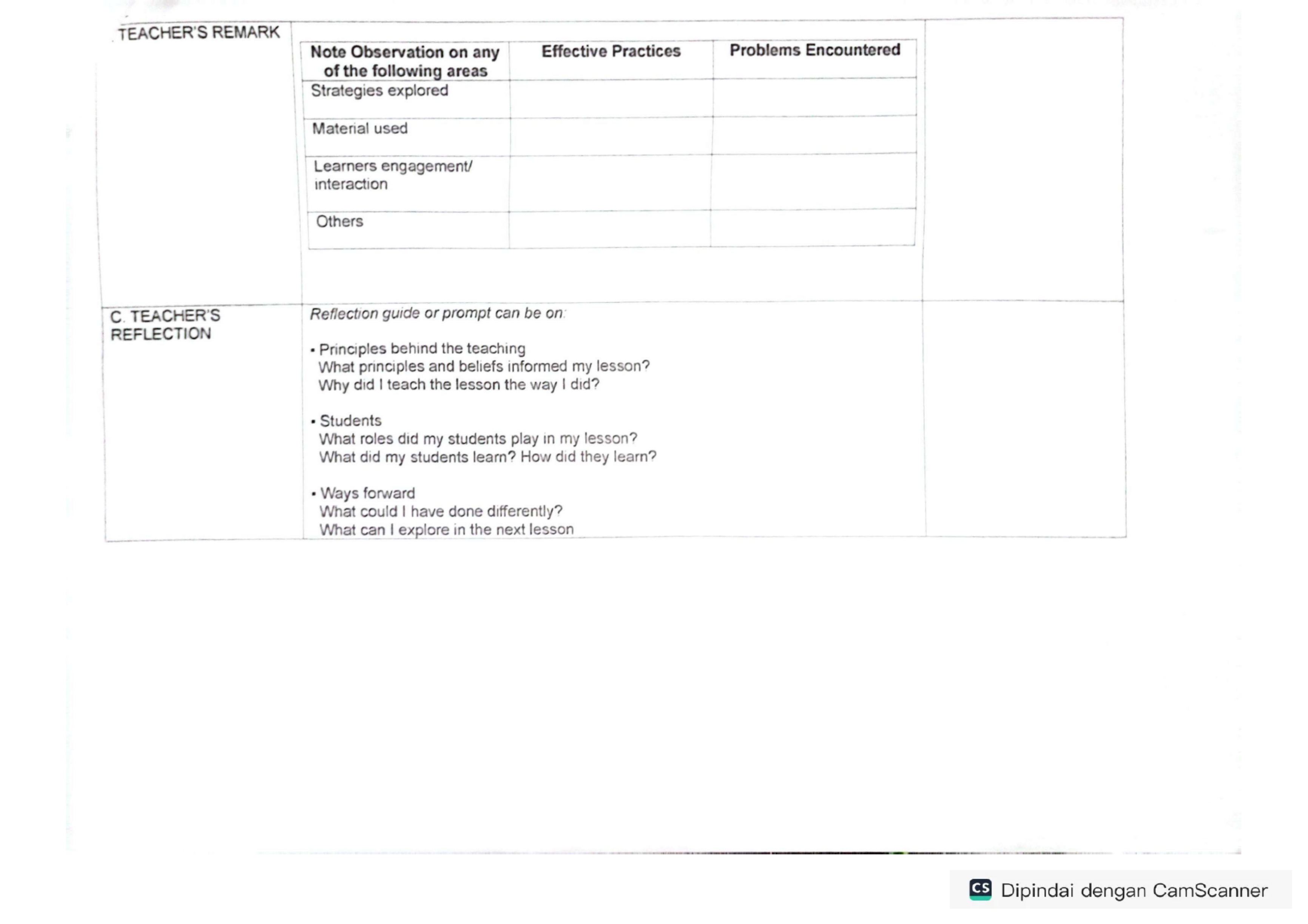
Evaluating Learning: Incorporating formative assessments directly paired with a Teacher’s Reflection on effective practices and student engagement.
The Pedagogical Frameworks at Abaño Campus
Drawing from my background in pure chemistry research, I designed my teaching plan to mirror authentic investigative laboratory processes. My instruction covered two main topics under Unit I: Nature of Science, delivered across five demonstration sessions.
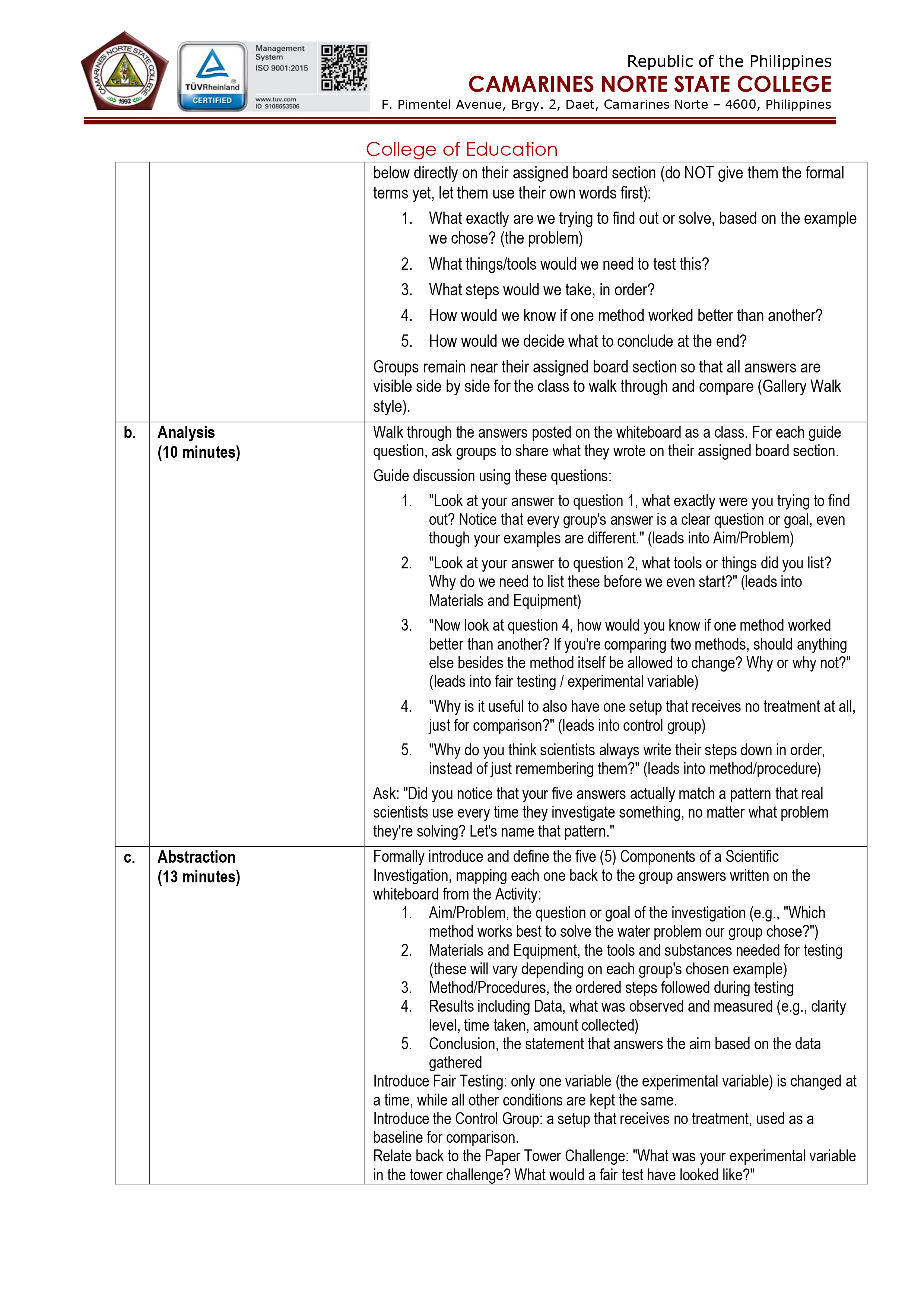
1. Lesson 1.1: Doing Scientific Investigation & Proper Use of Science Equipment Rather than teaching the scientific method as an abstract theory, I engineered a continuous four-day Water Filtration Project-Based Learning (PBL) Unit.
-
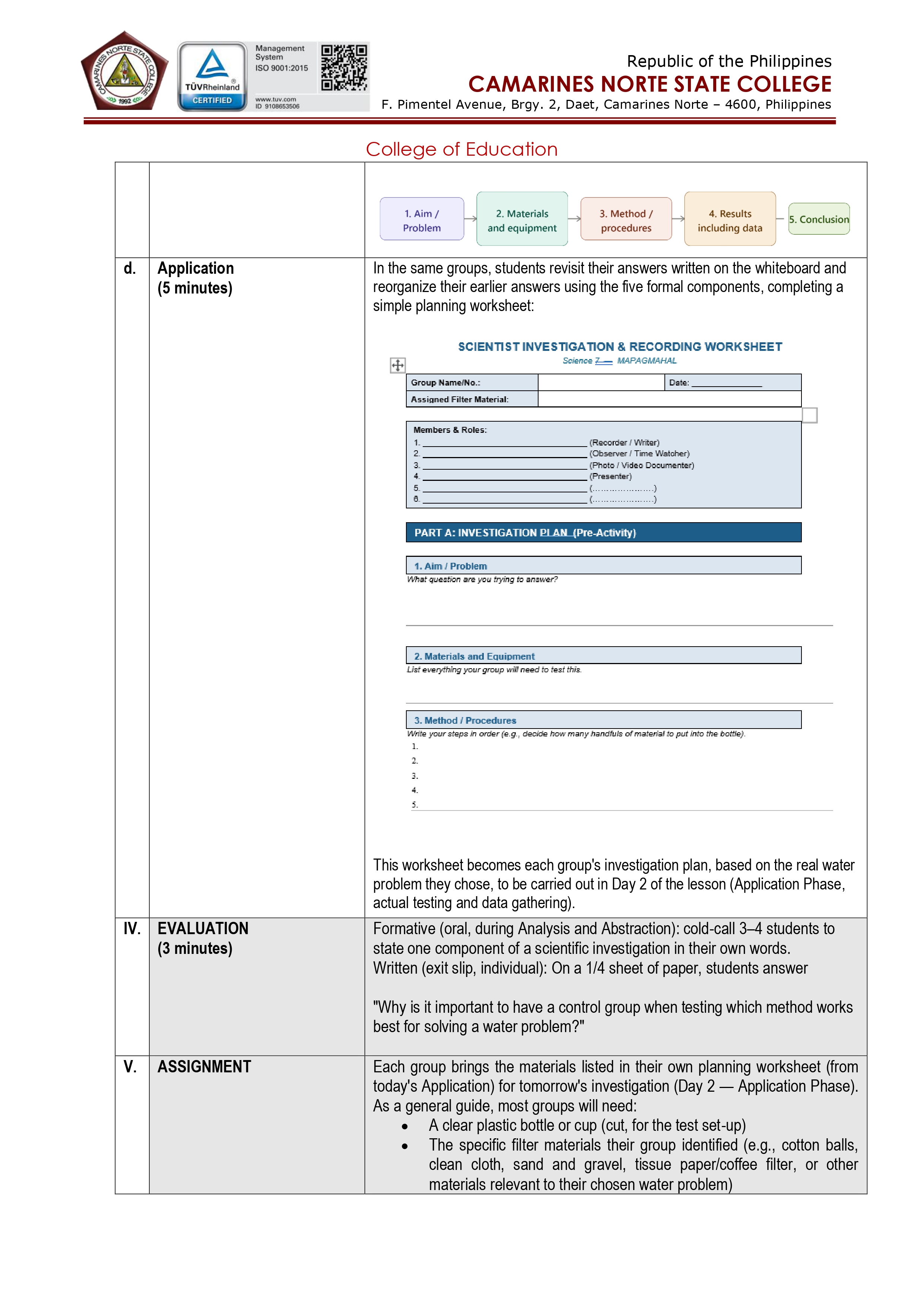
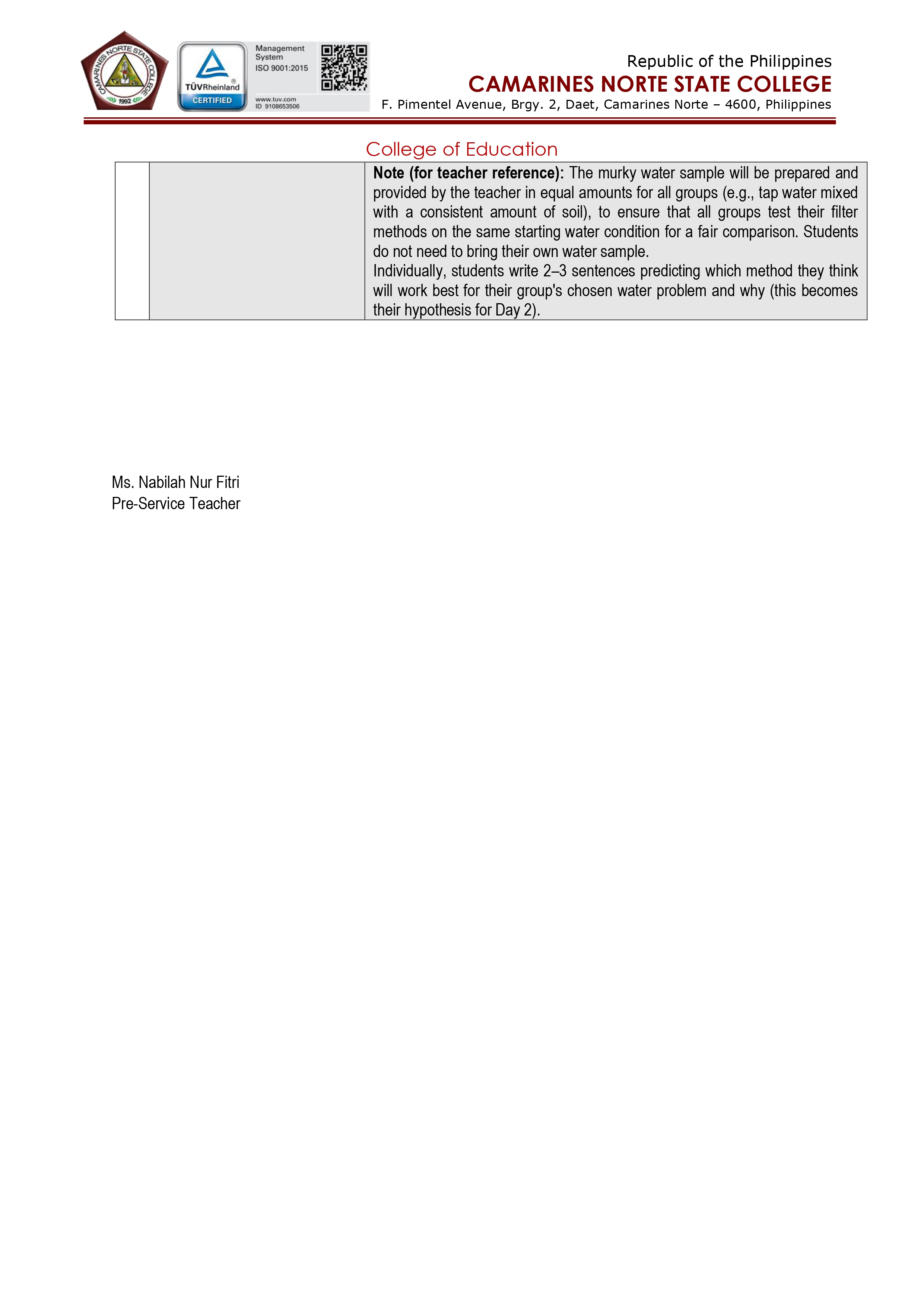
Planning & Predicting: Students were introduced to a real-world scenario regarding murky water access. Working in groups, they independently identified the five components of a scientific investigation, recognized independent/dependent variables, and drafted their own filtration procedures using low-cost materials (cotton, cloth, sand).
-
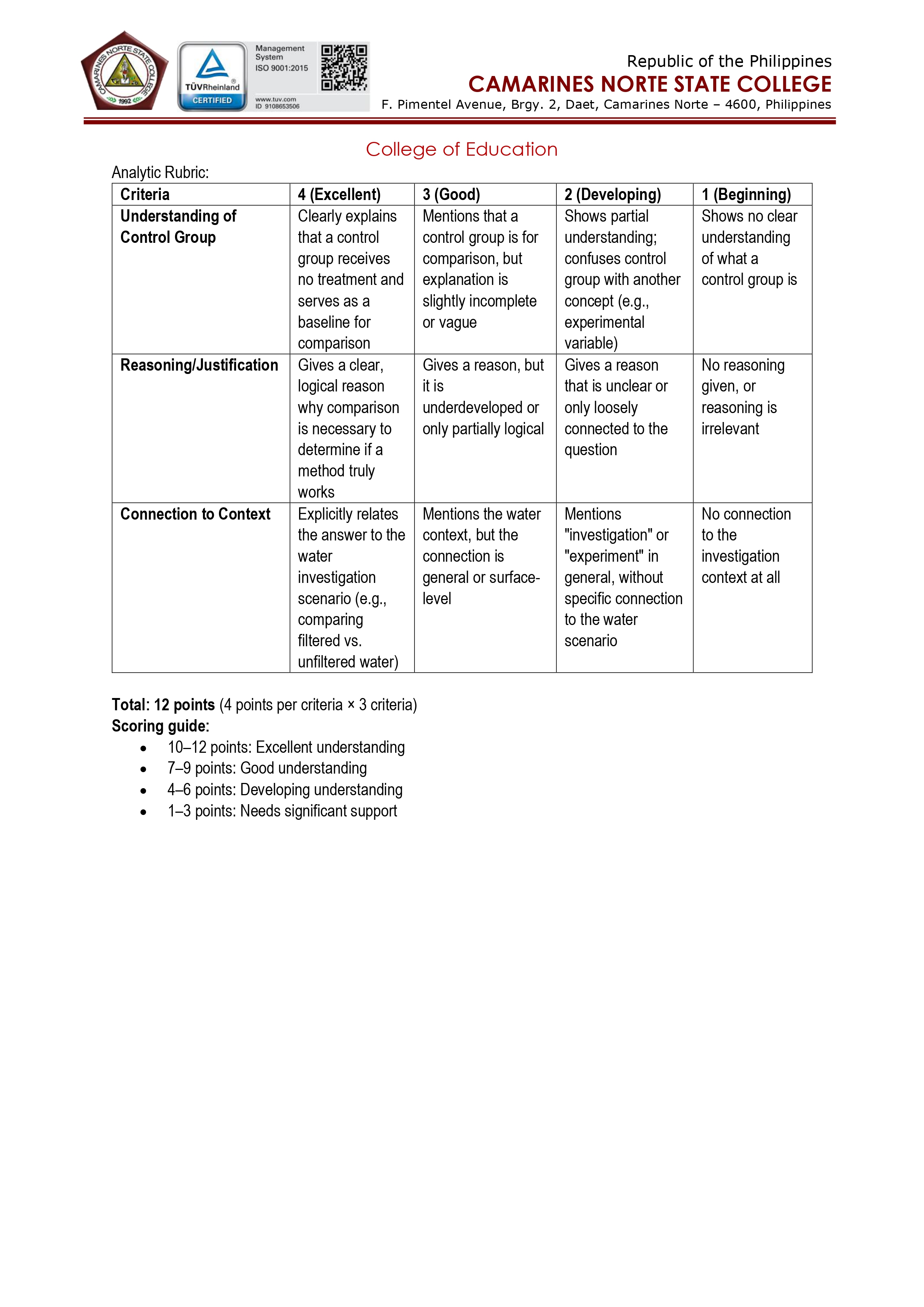
Observation & Analysis: Students physically built their experimental set-ups, recording qualitative clarity and measuring filtration time against a teacher-prepared control set-up (unfiltered murky water).
-
Abstraction & Real-World Connection: Following group presentations, the class compared loose versus tight filters. I bridged their classroom trial-and-error directly to industrial chemistry, demonstrating that physical filtration alone cannot remove microscopic chemical contaminants like heavy metals, necessitating advanced water treatment technologies.
-
Equipment Familiarization: To maintain high engagement during a potentially drowsy afternoon schedule, I transitioned into laboratory equipment identification using an interactive "Science Equipment Bingo" game covering 30 items. Students then categorized these tools by function (measuring, heating, transferring, safety), establishing that proper equipment eliminates guesswork in science.
2. Lesson 1.2: Measurement (Fundamental Quantities and Unit Conversion) For my final demonstration, I focused on Measurement—a critical foundation for any chemistry student. I designed this lesson to move learners from mathematical theory to hands-on scientific precision.
-
Hands-on Engagement: Groups used actual laboratory instruments (meter sticks, graduated cylinders, thermometers, and weighing scales) to measure physical quantities like volume, length, mass, and temperature.
-
Unit Conversion & Application: Students applied the conversion rule (multiply for larger-to-smaller, divide for smaller-to-larger) to their own collected data, solved real-world word problems, and learned the significance of the International System of Units (SI).
-
Authentic Assessment: The lesson culminated in a collaborative campus-mapping activity where students estimated distances across the Abaño Campus, converted those figures into meters, kilometers, and centimeters, and plotted them accurately.