


Teaching and Learning Materials
and Innovation


A defining hallmark of pedagogical innovation at Abaño Campus is its paradigm that effective science education does not solely depend on high-end, expensive laboratory equipment. Instead, instructional innovation here thrives on resourcefulness, transforming low-cost, readily available, everyday materials into rigorous tools for scientific inquiry. This approach democratizes learning, proving to students that science is highly accessible and deeply connected to their daily lives.
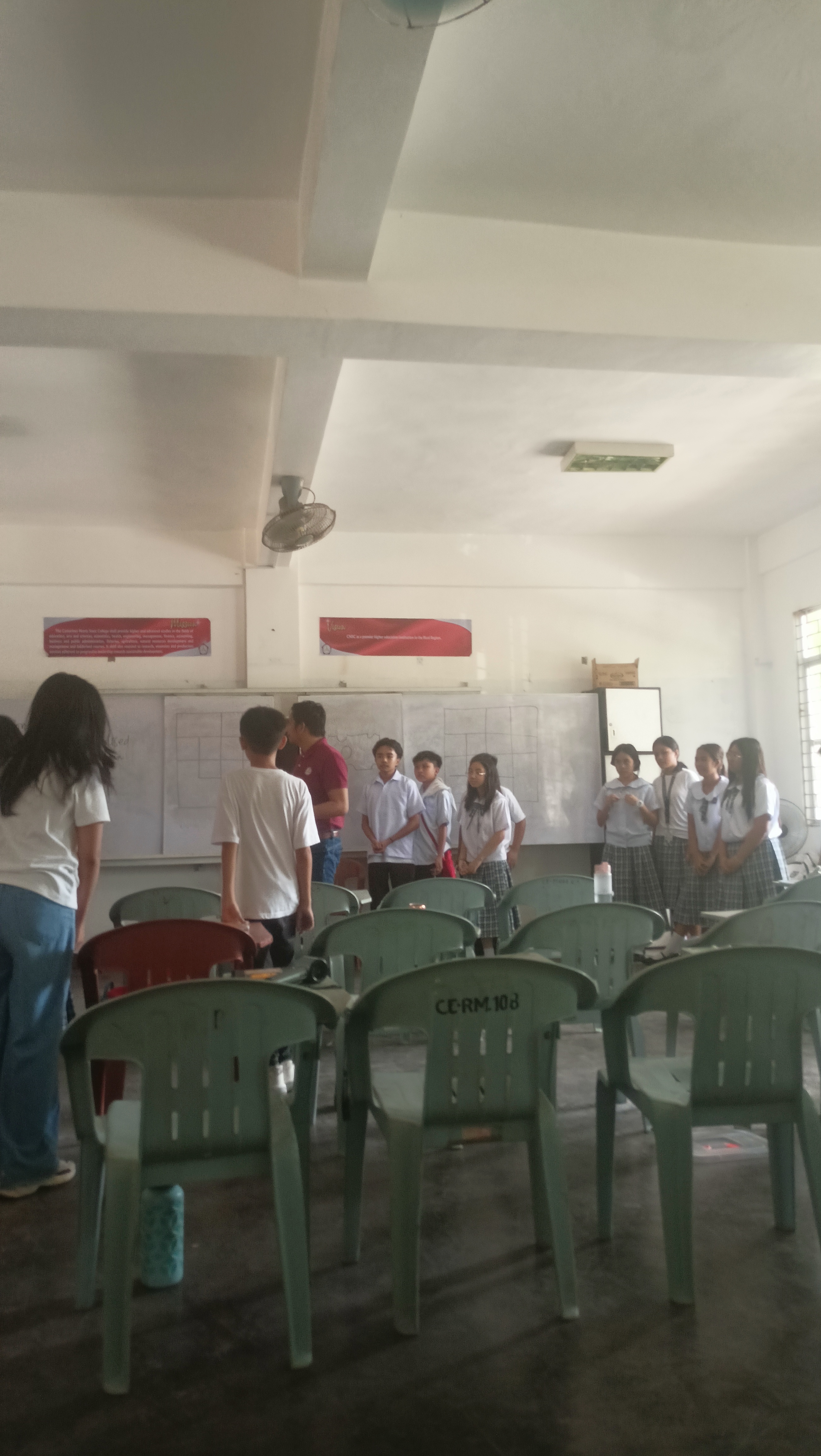
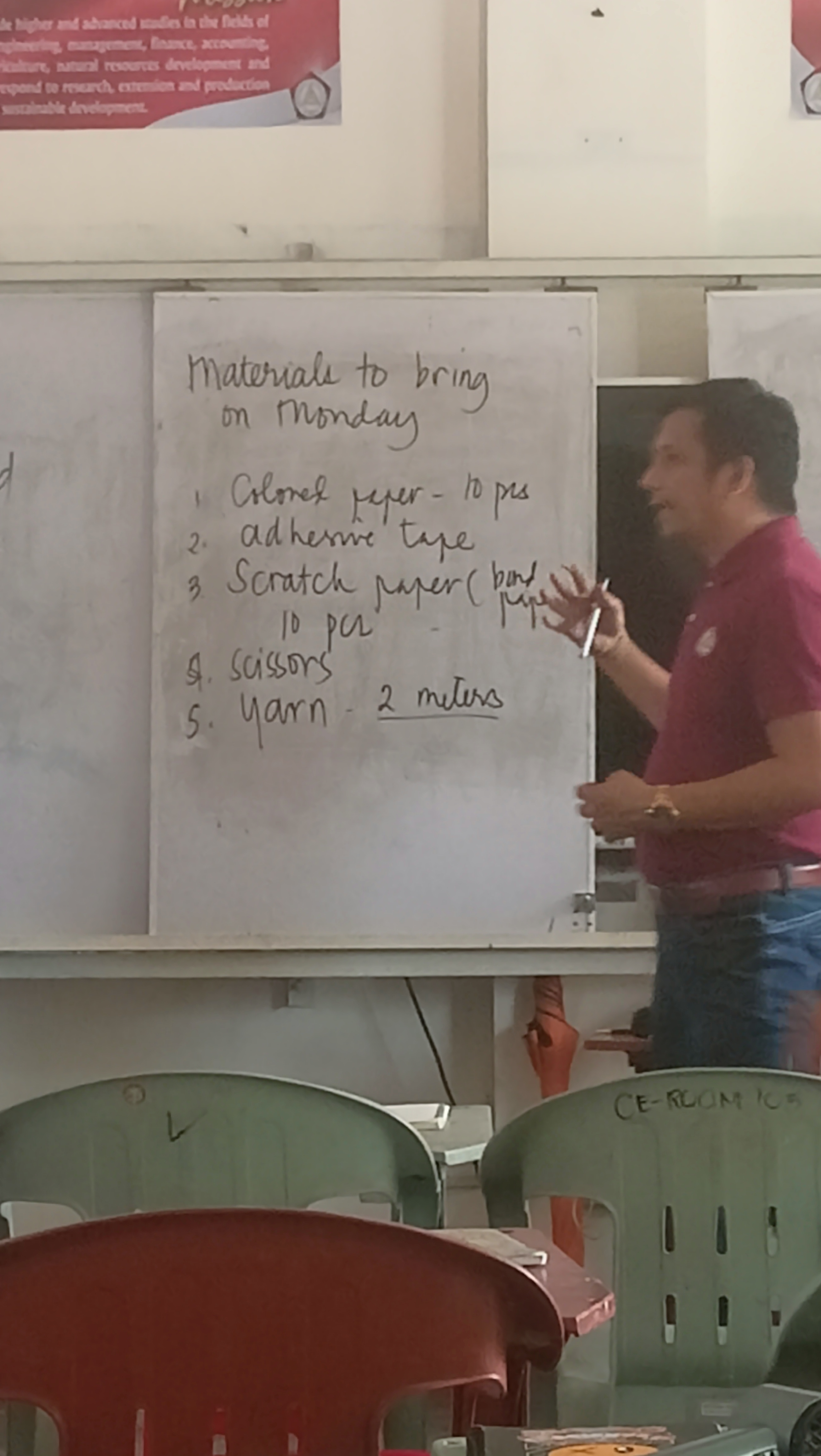
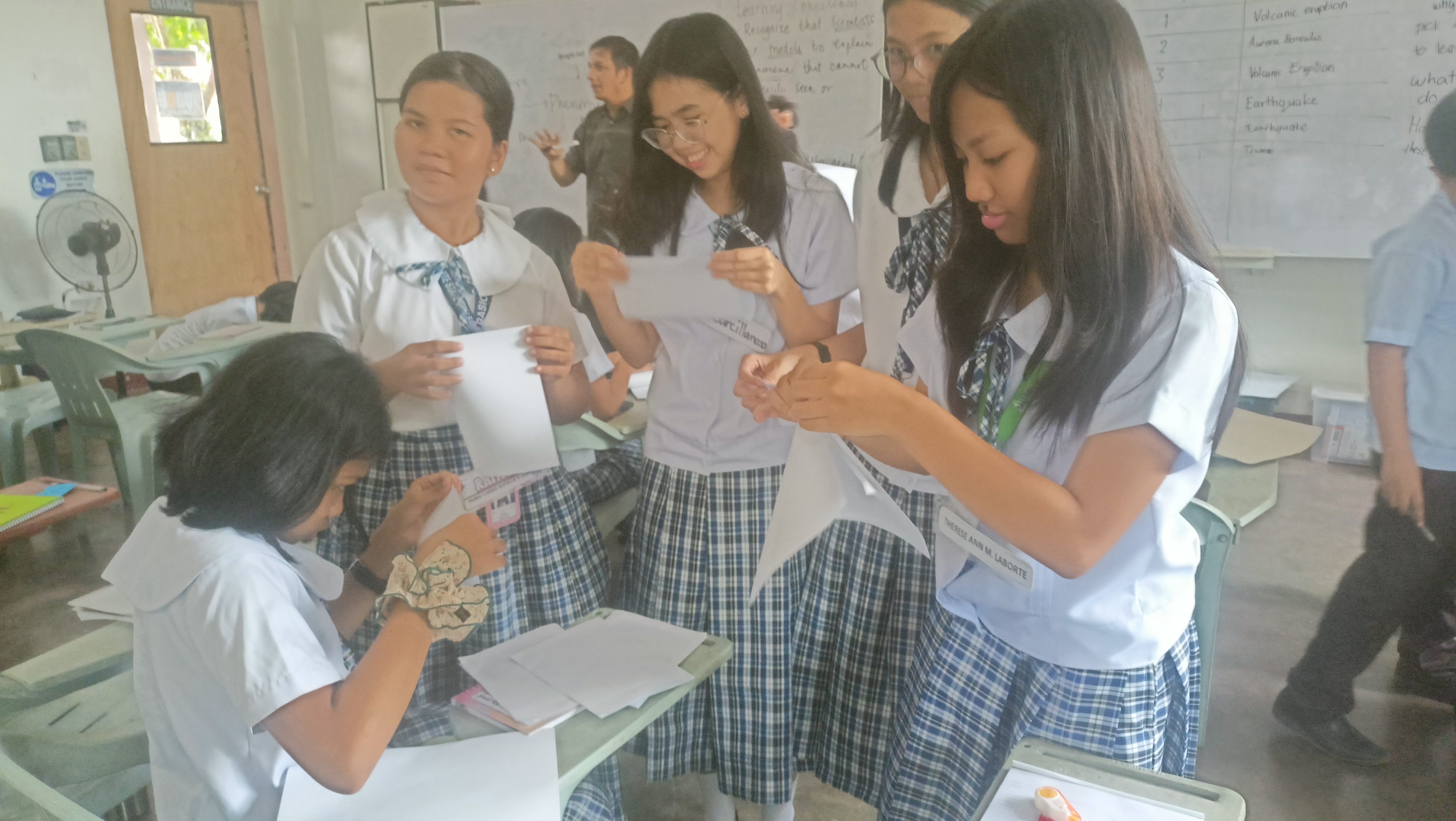
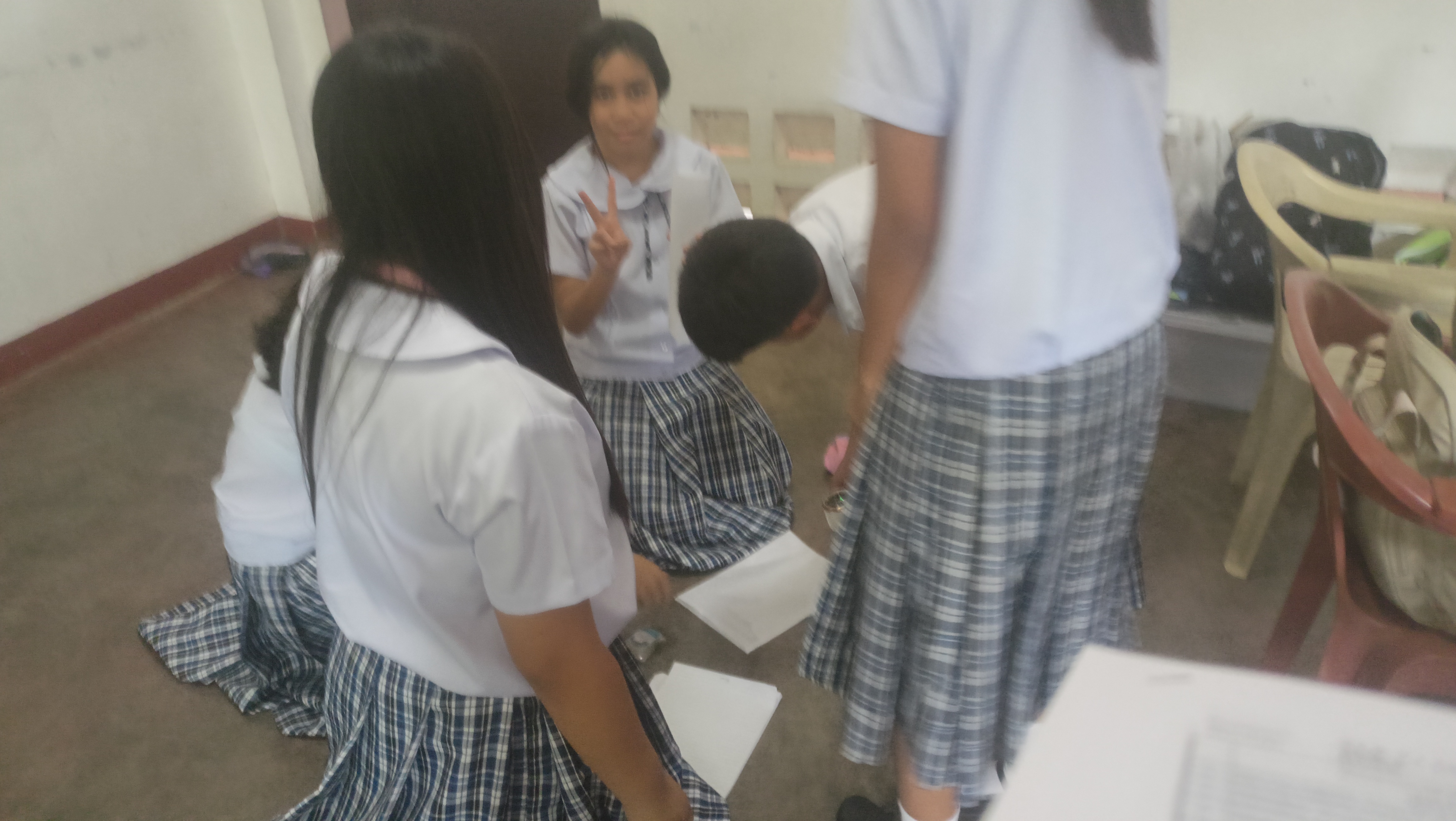
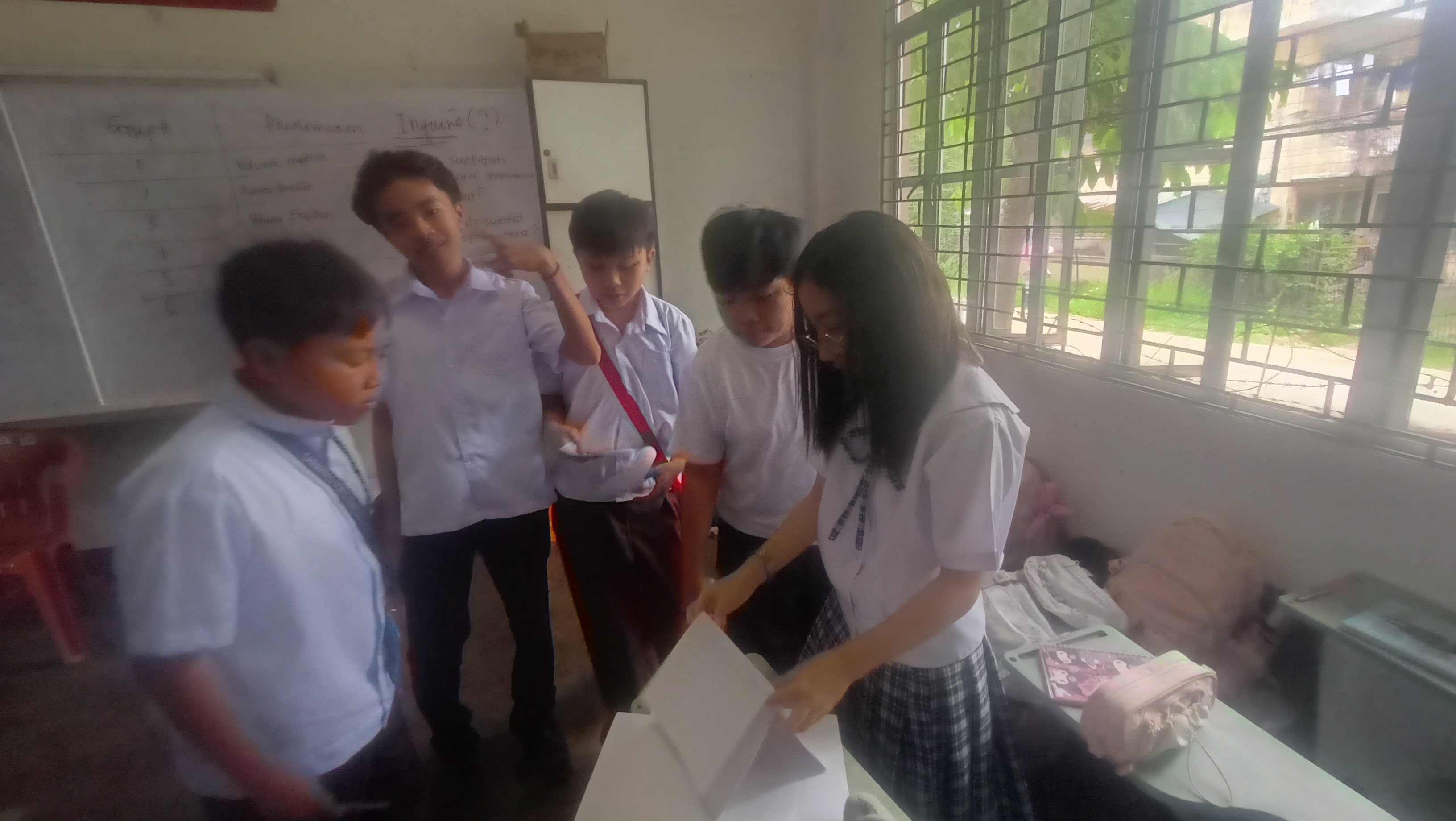
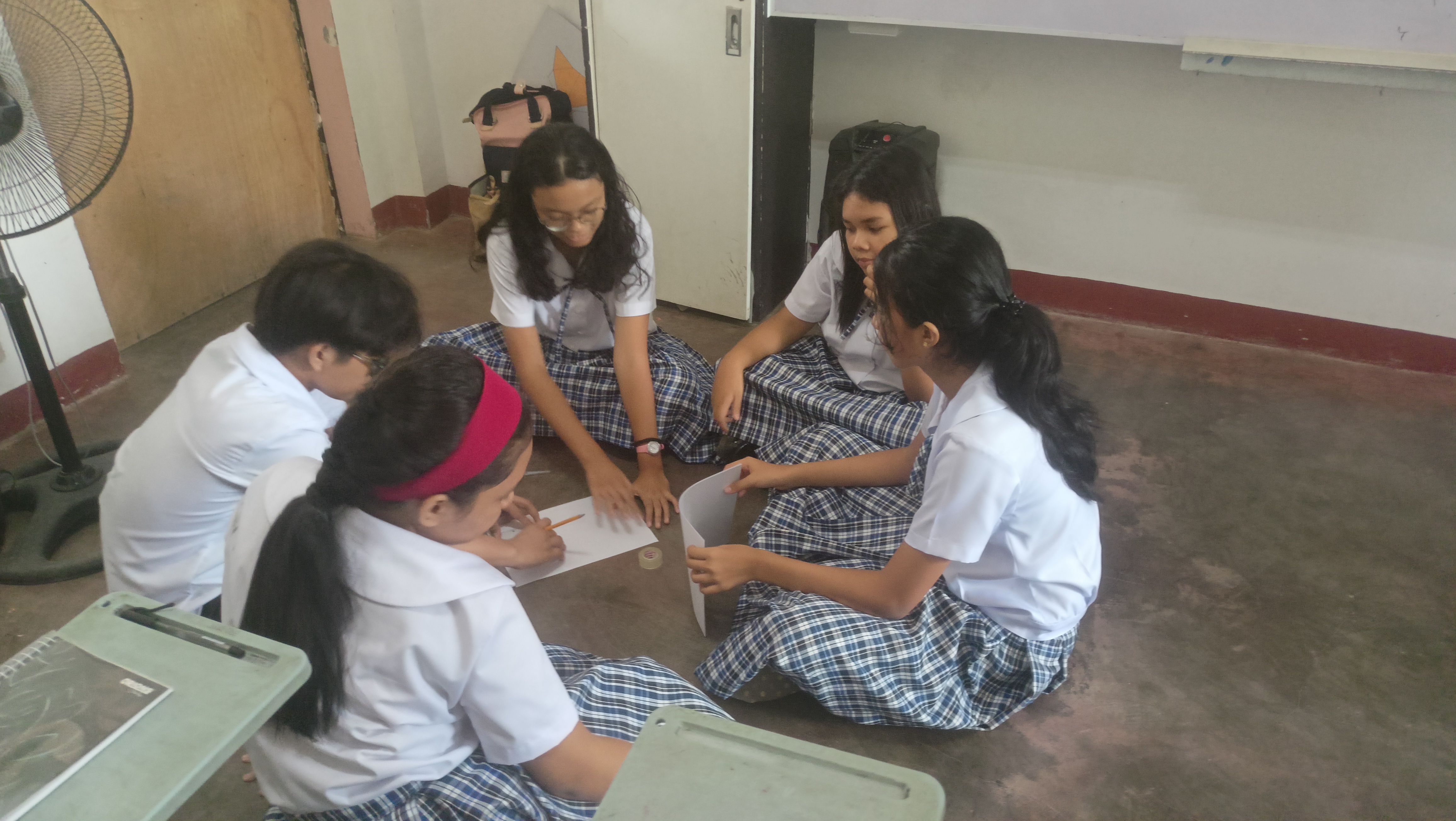
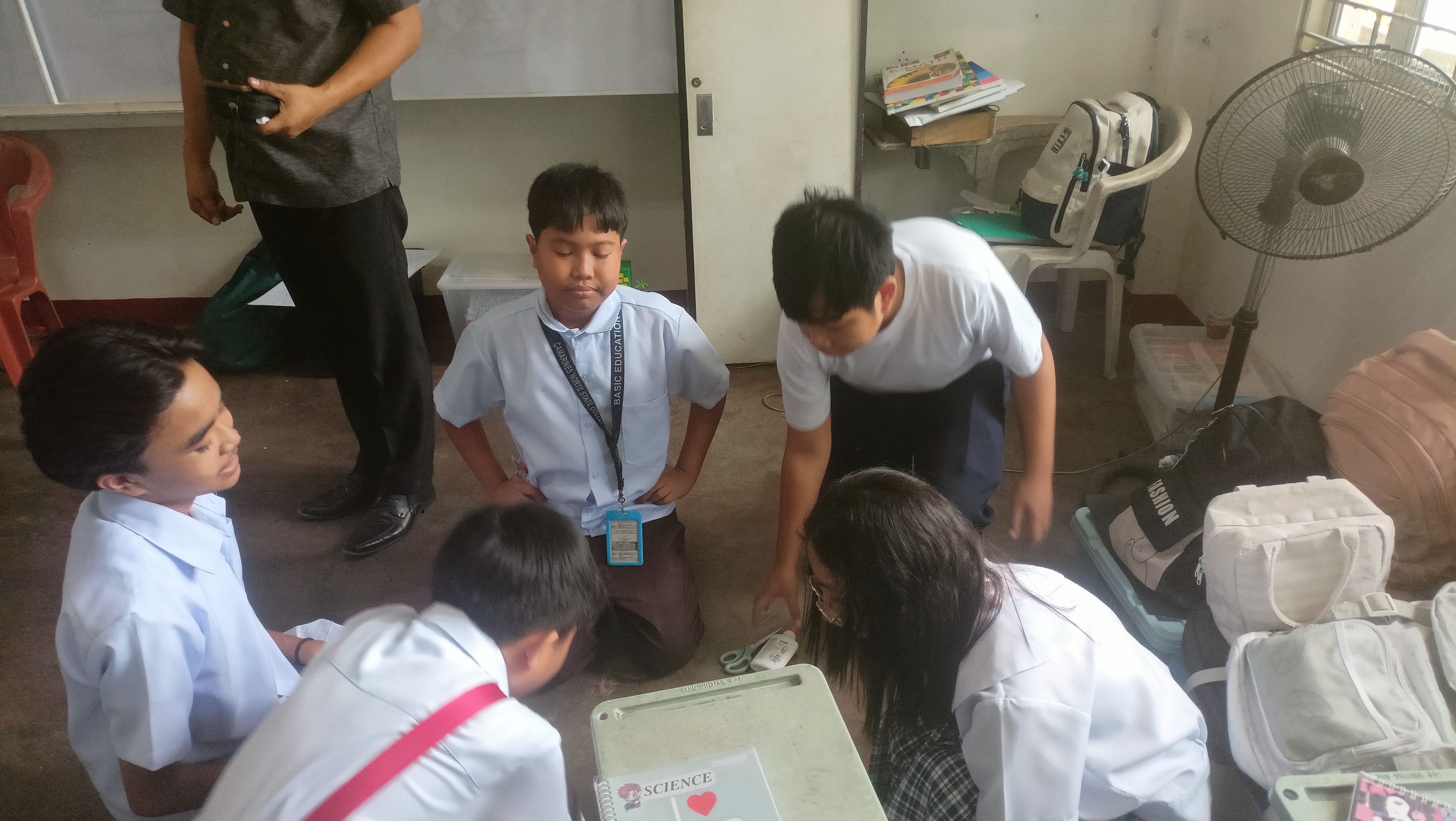
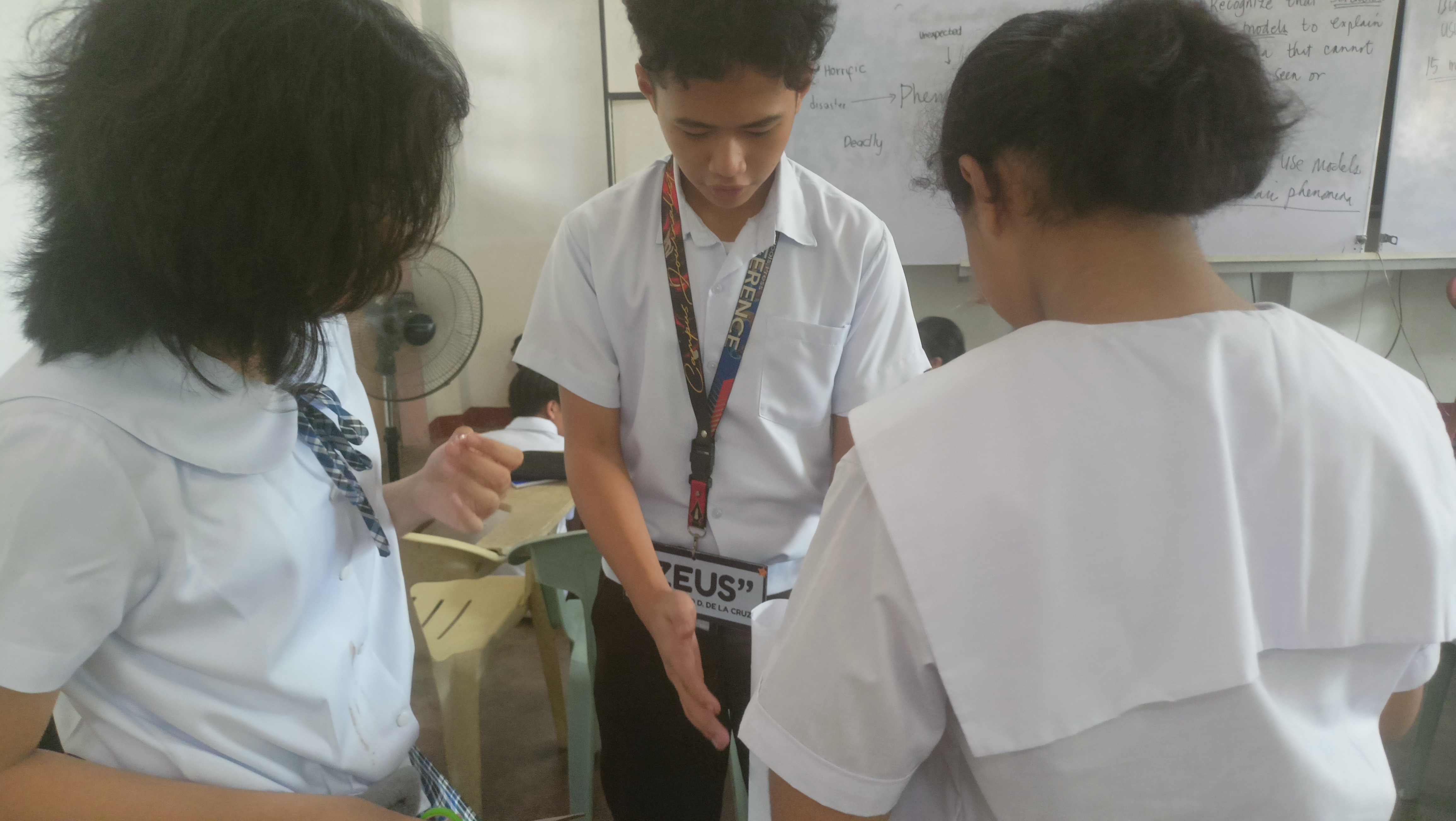
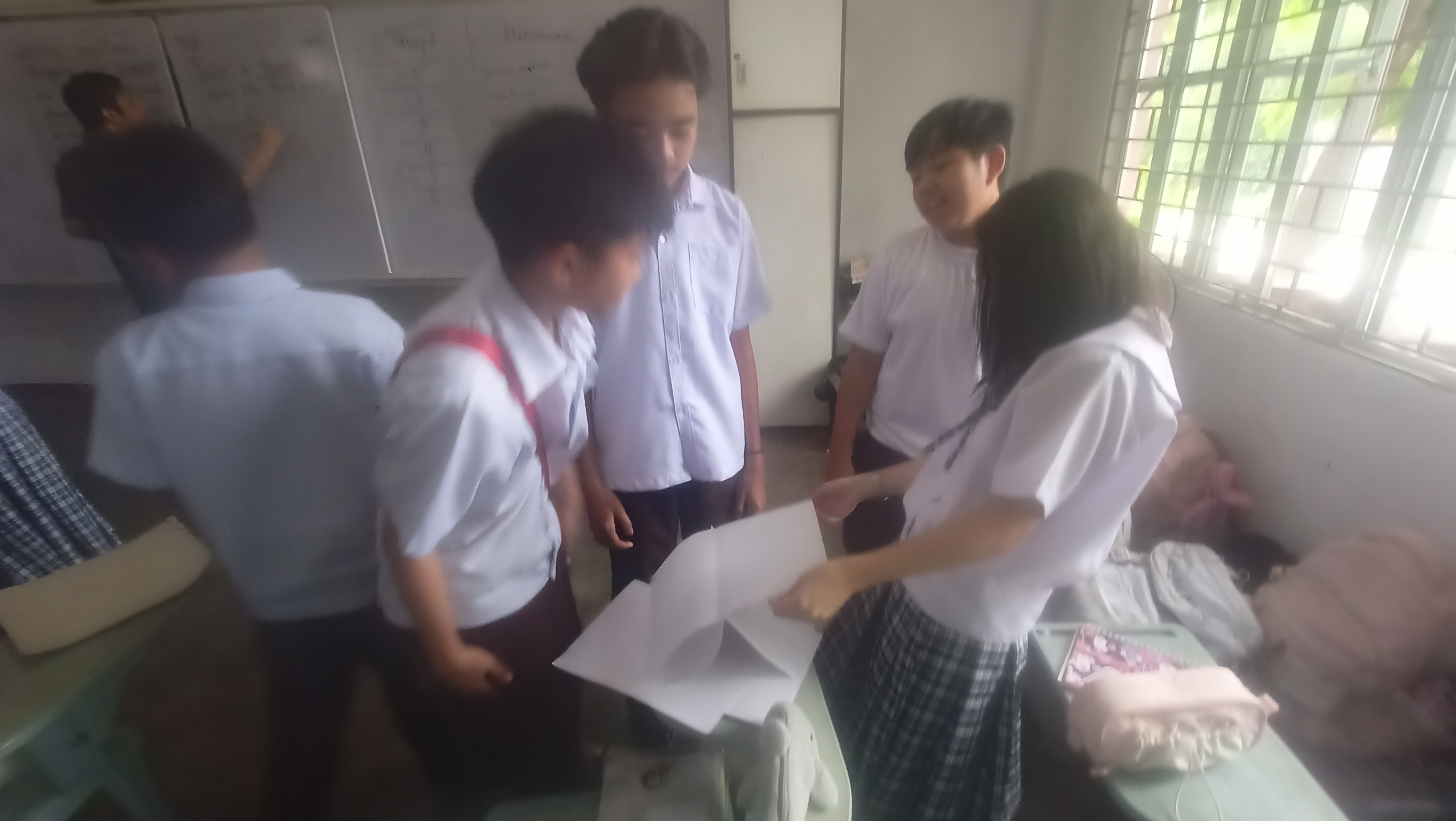
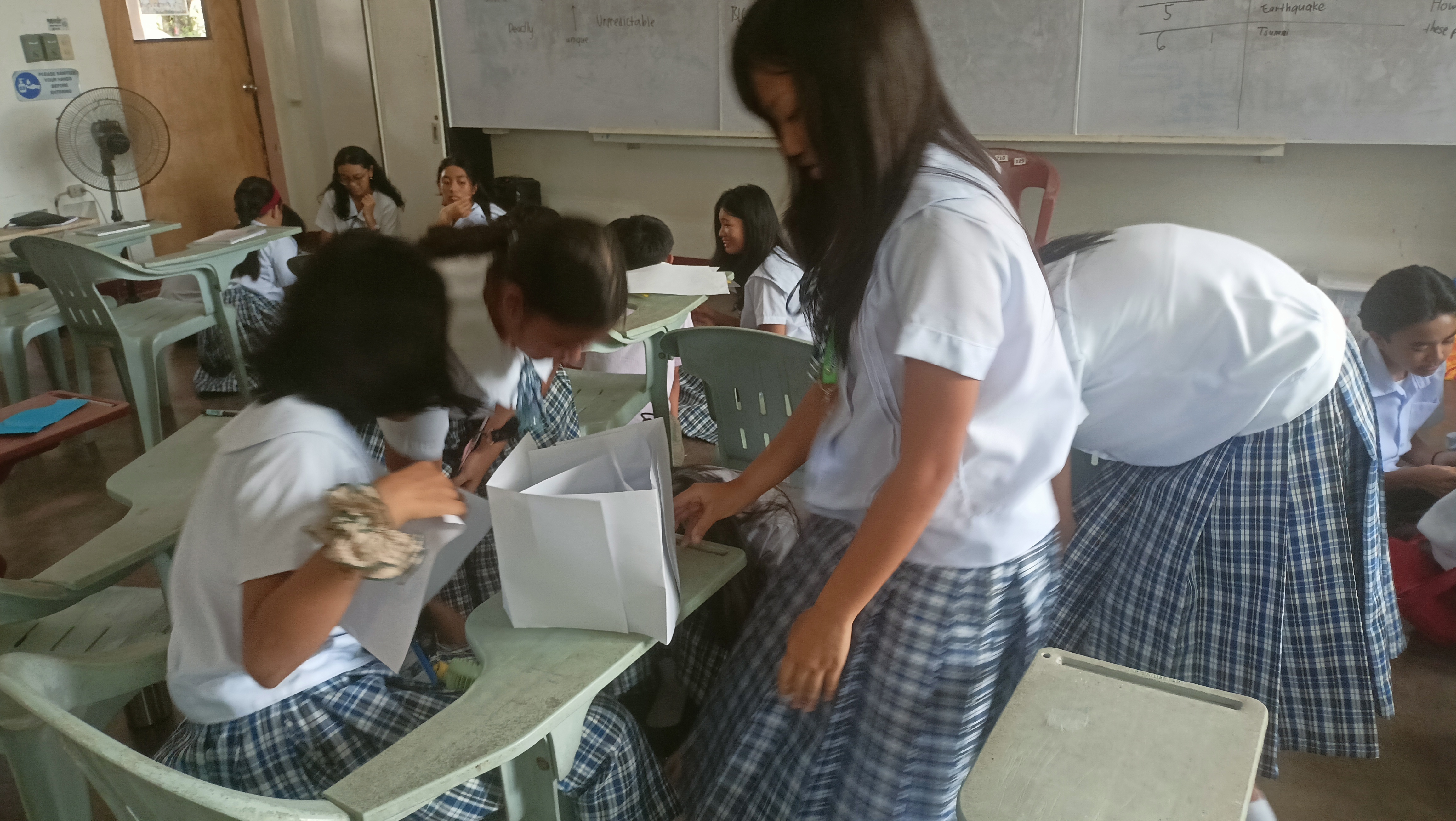
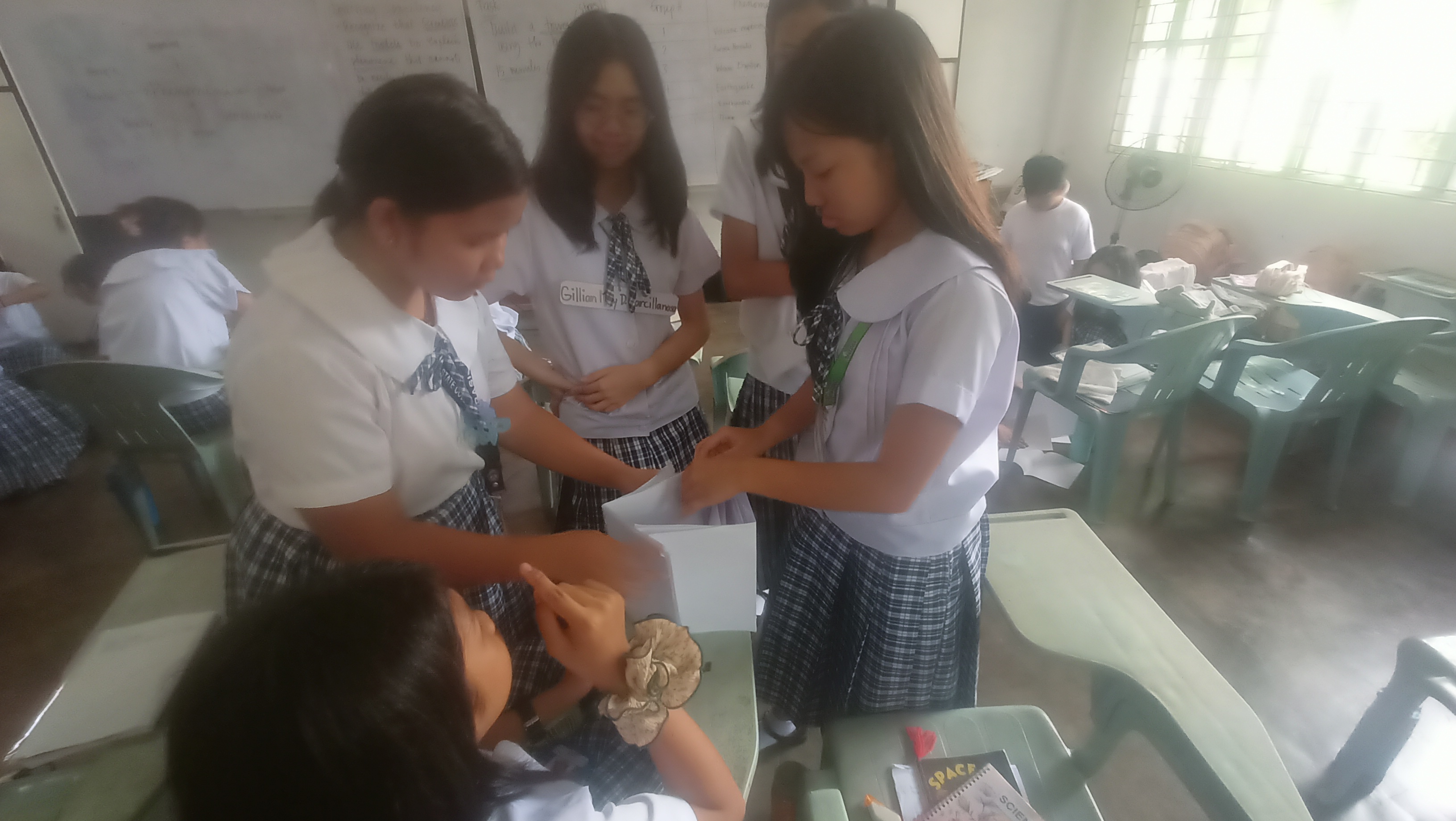
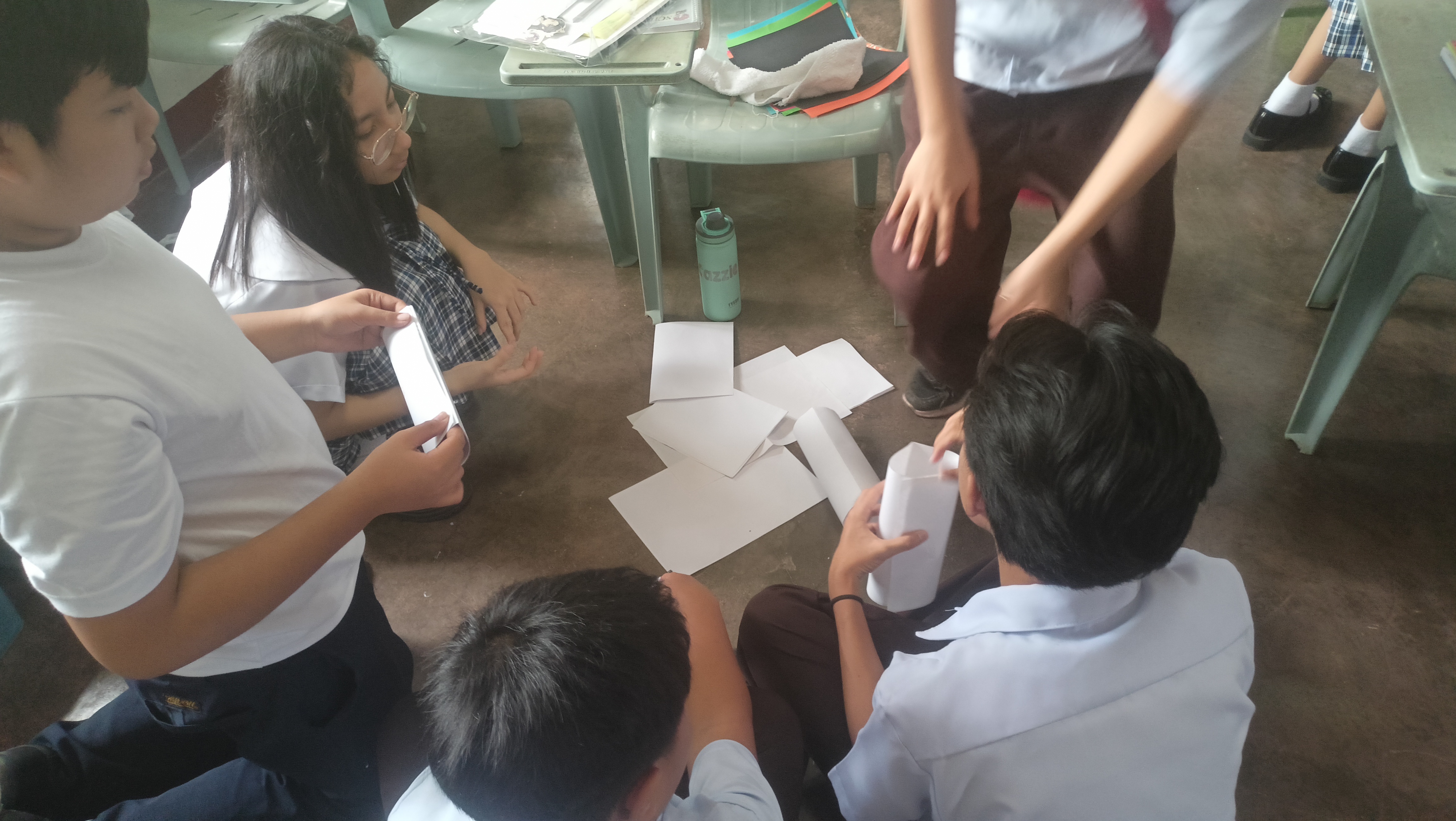
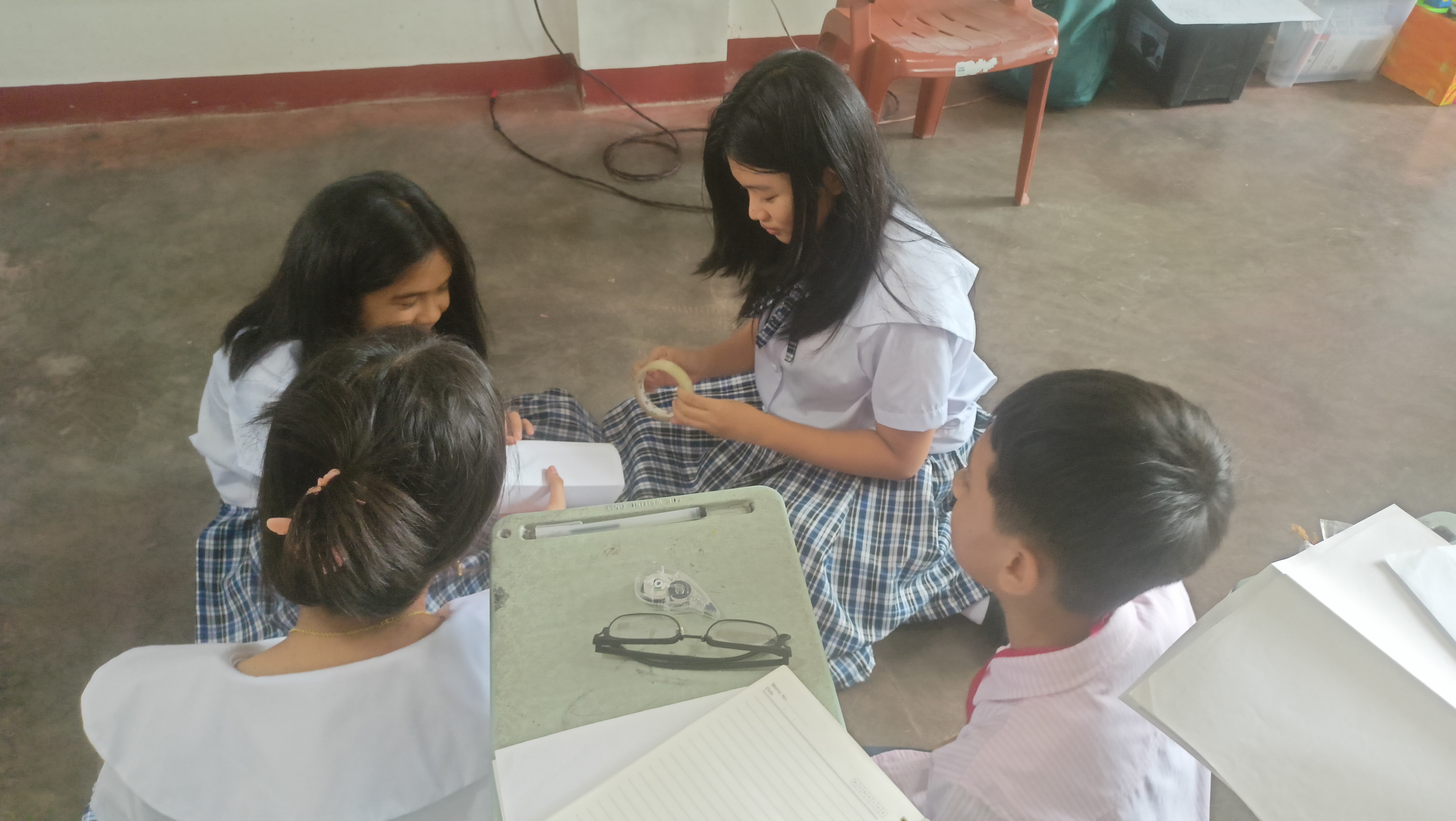
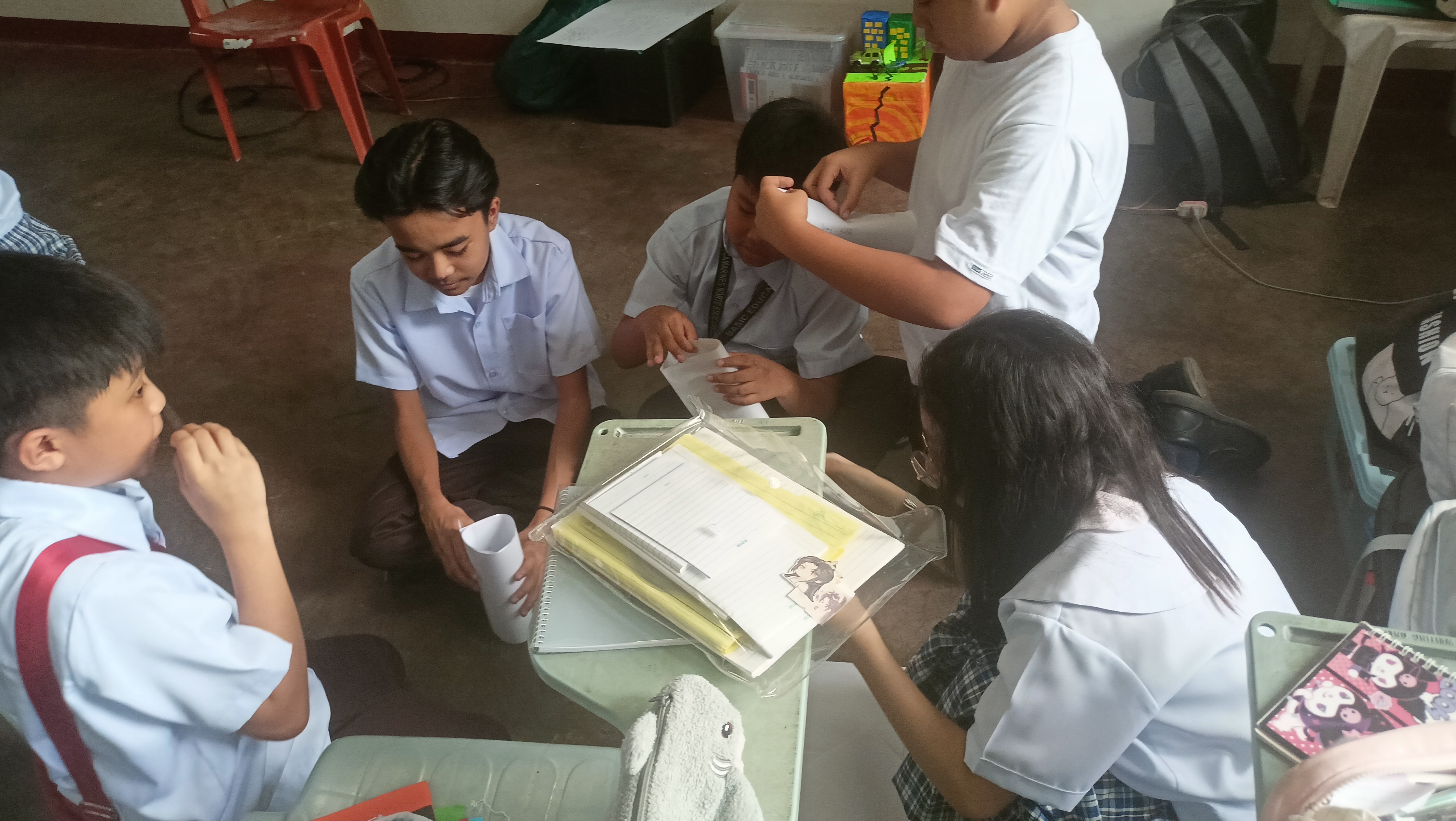
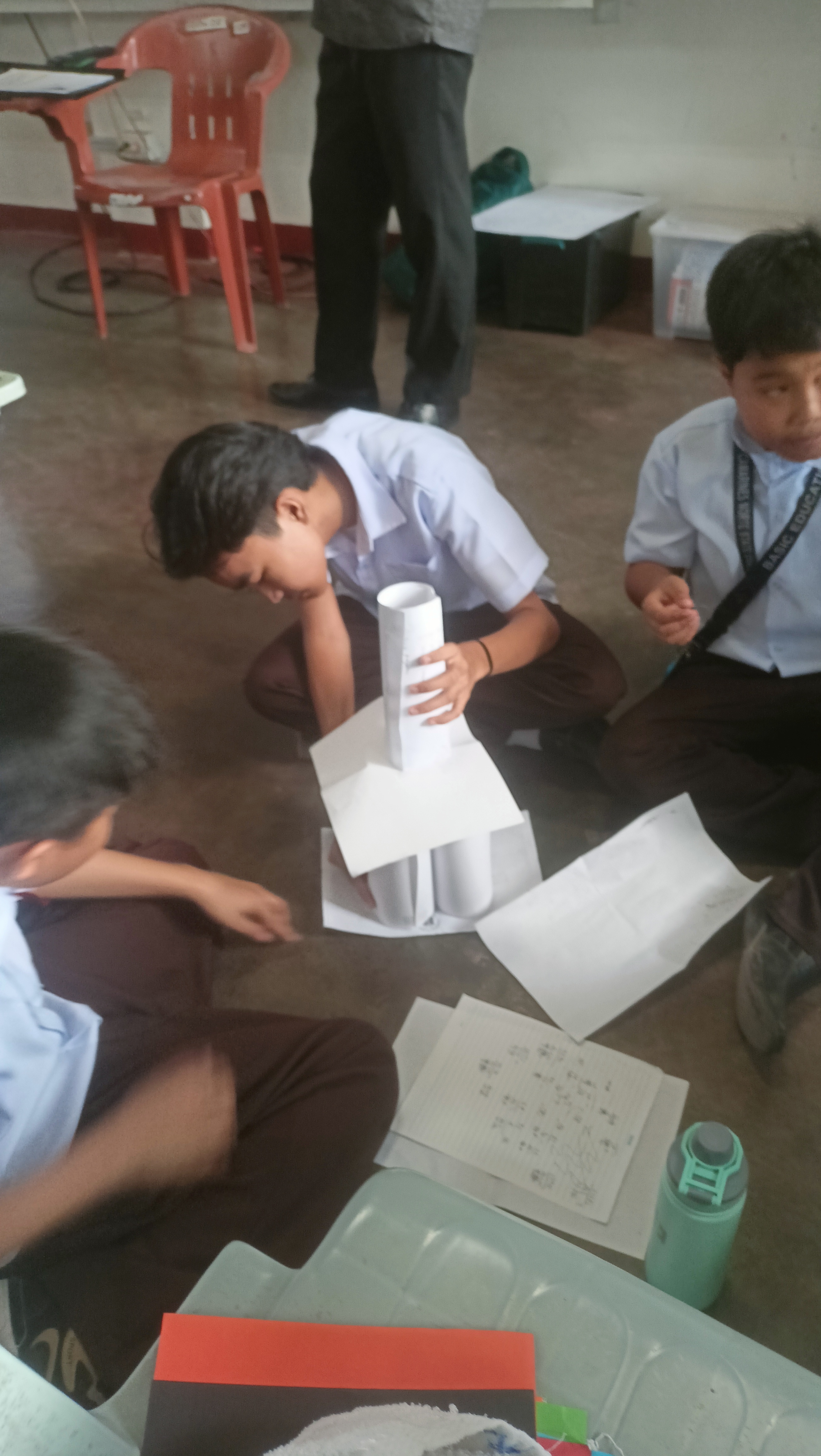
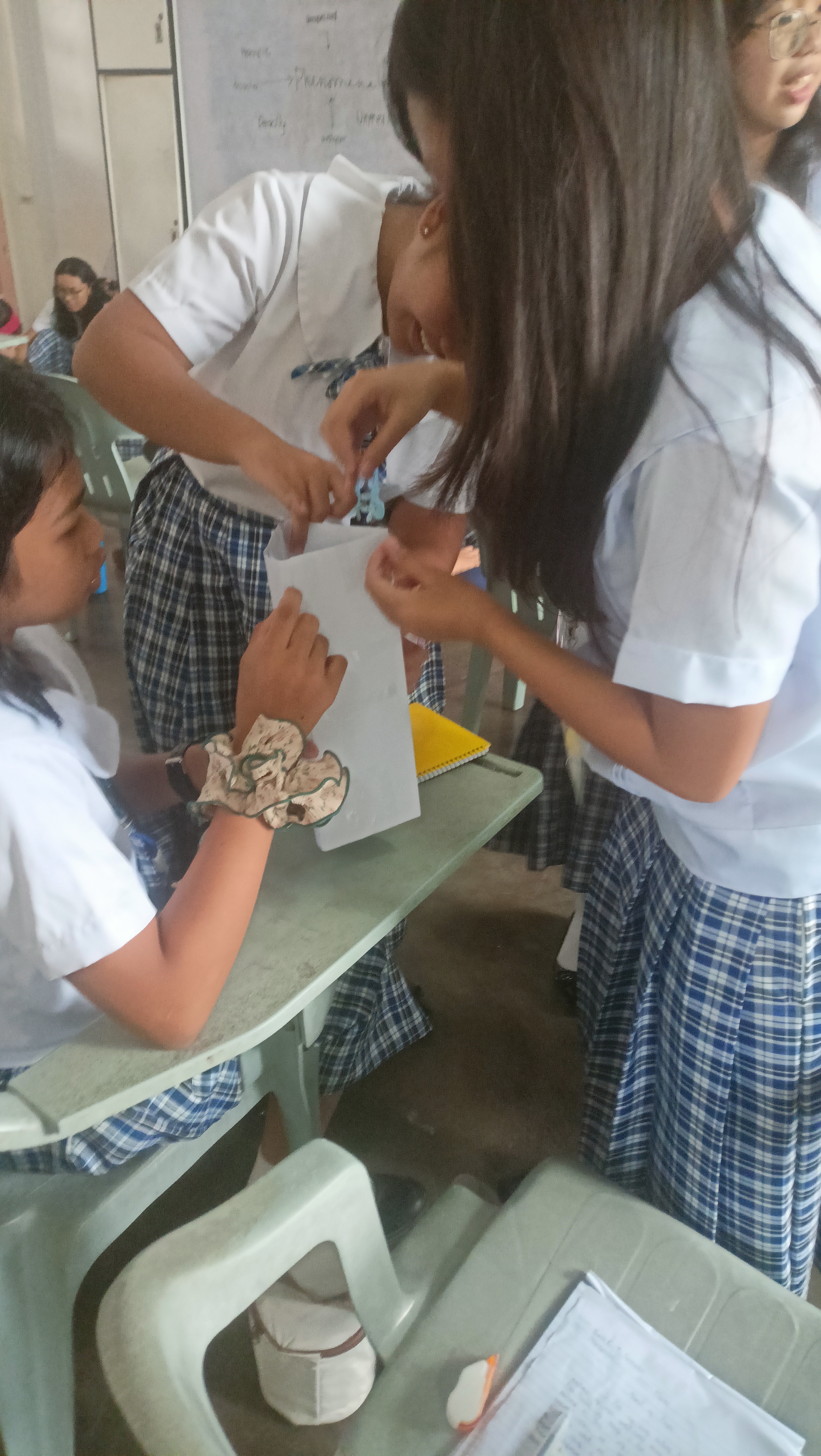
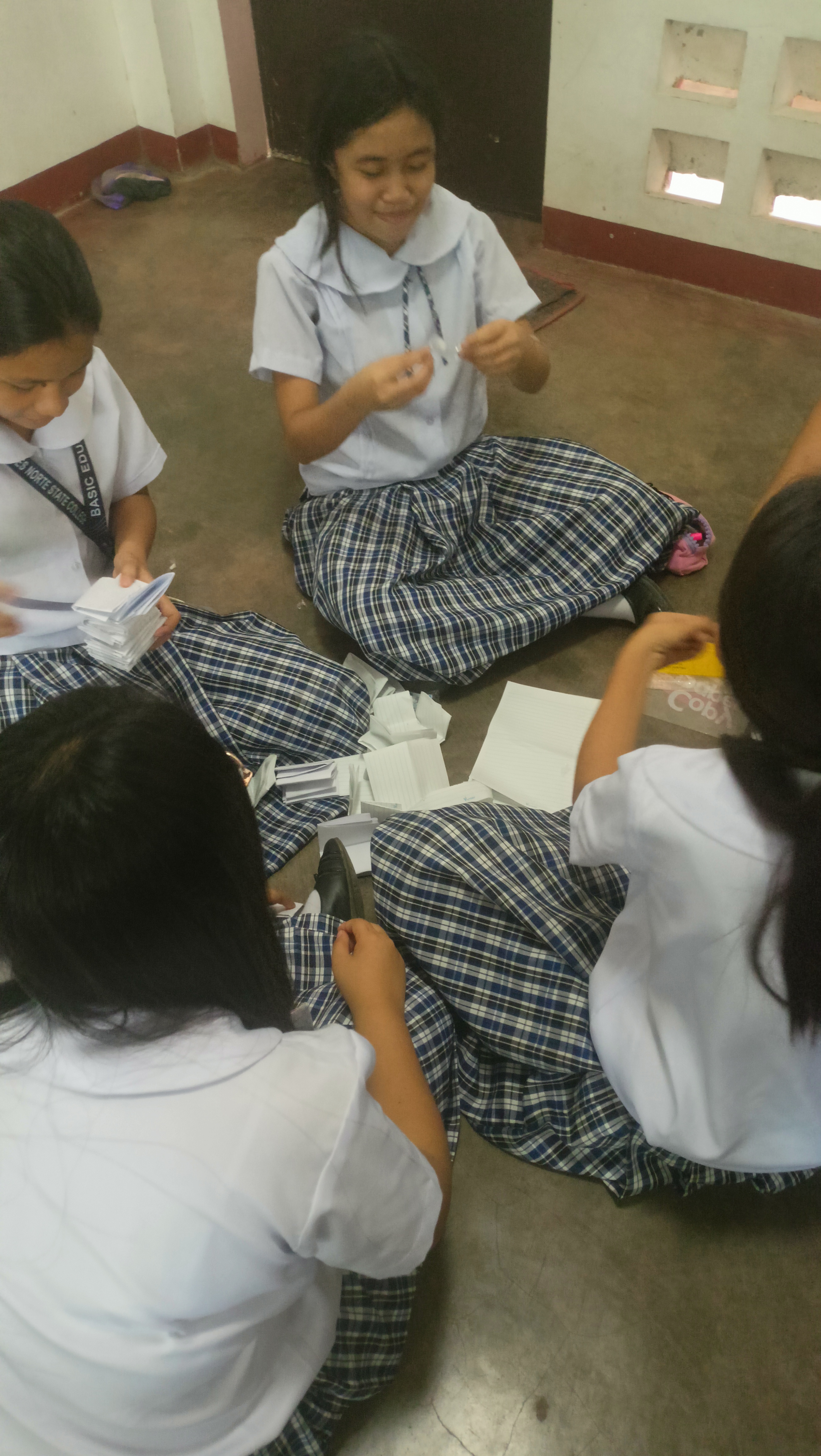
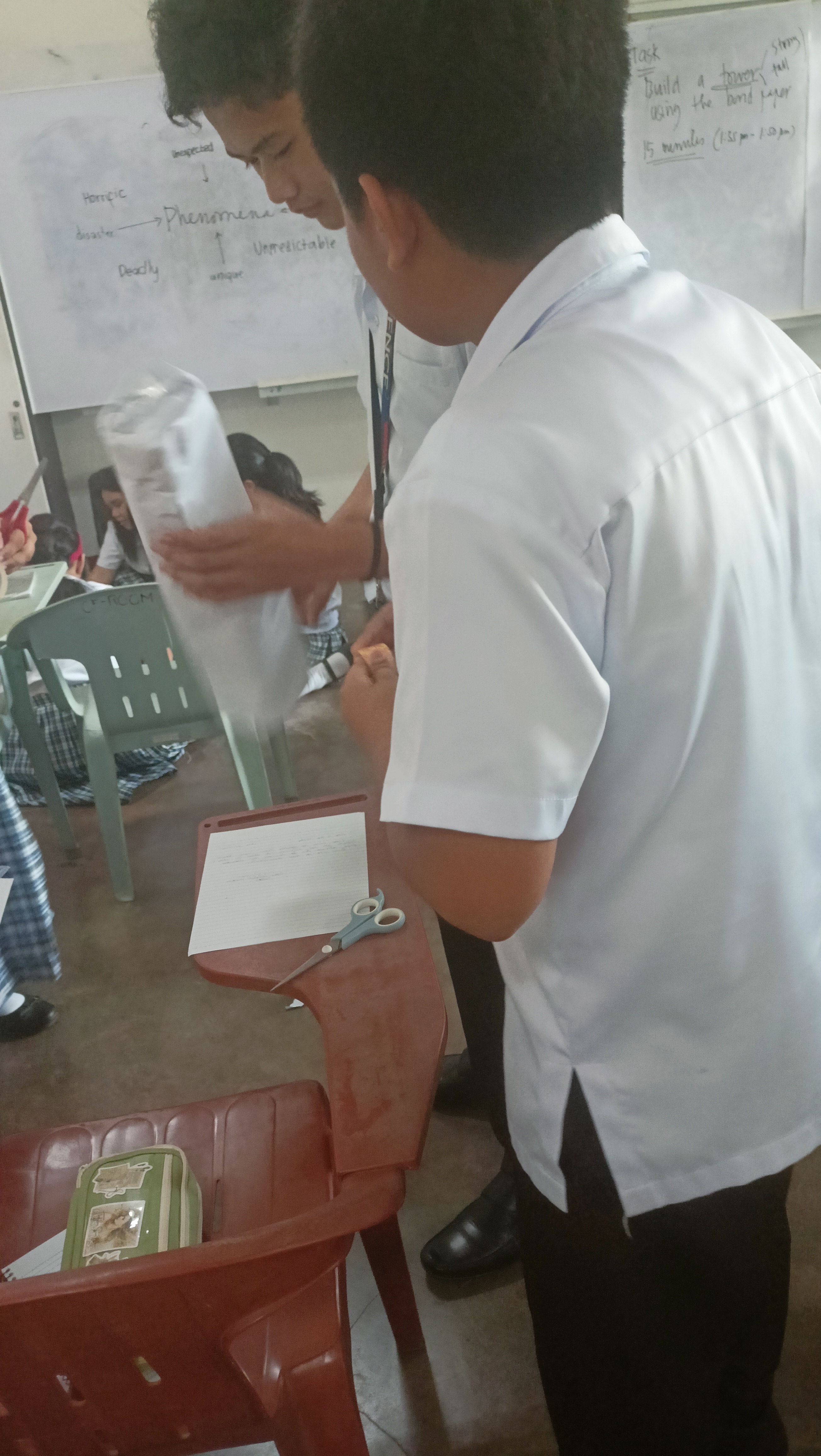
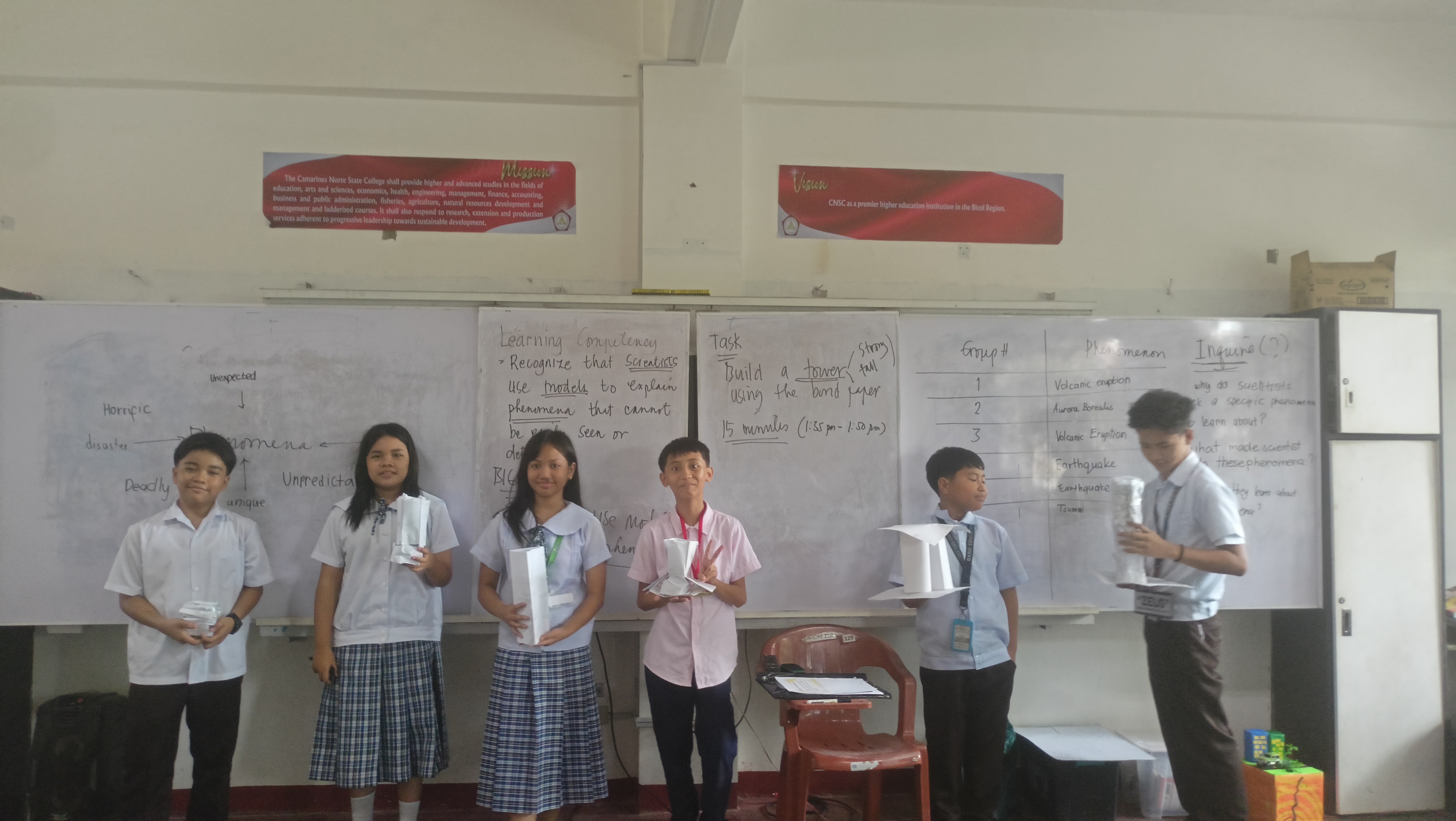
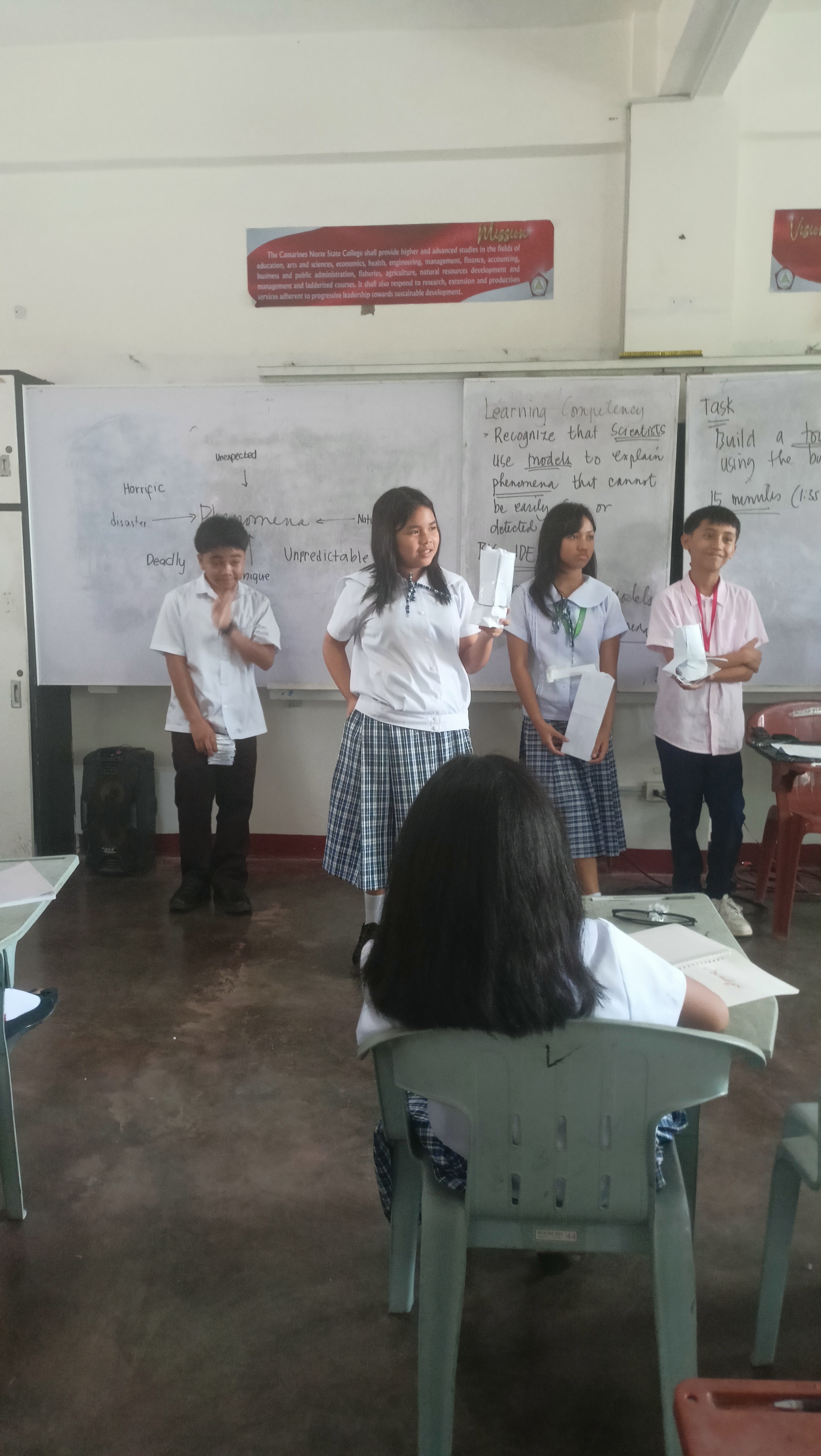
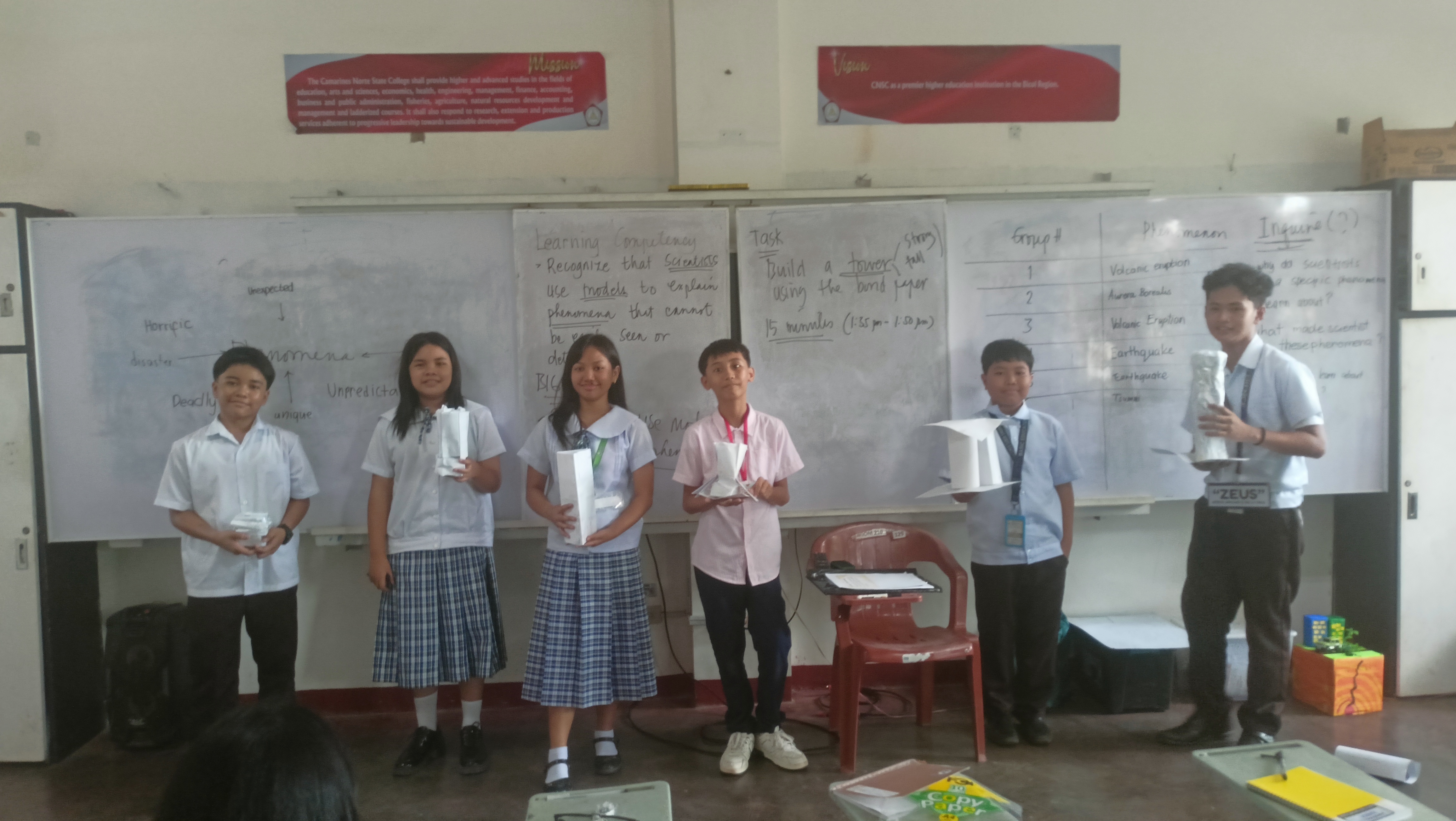
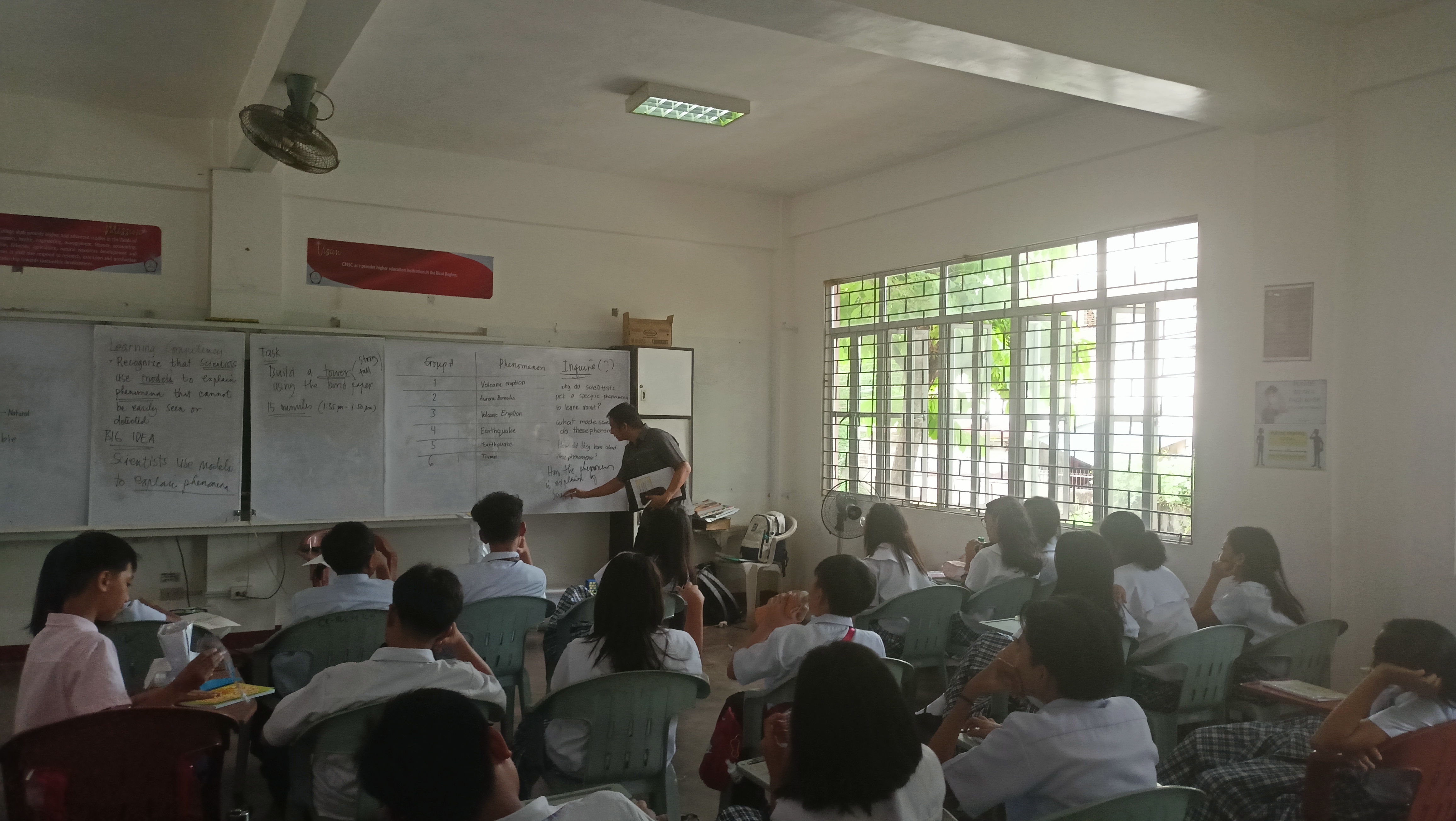
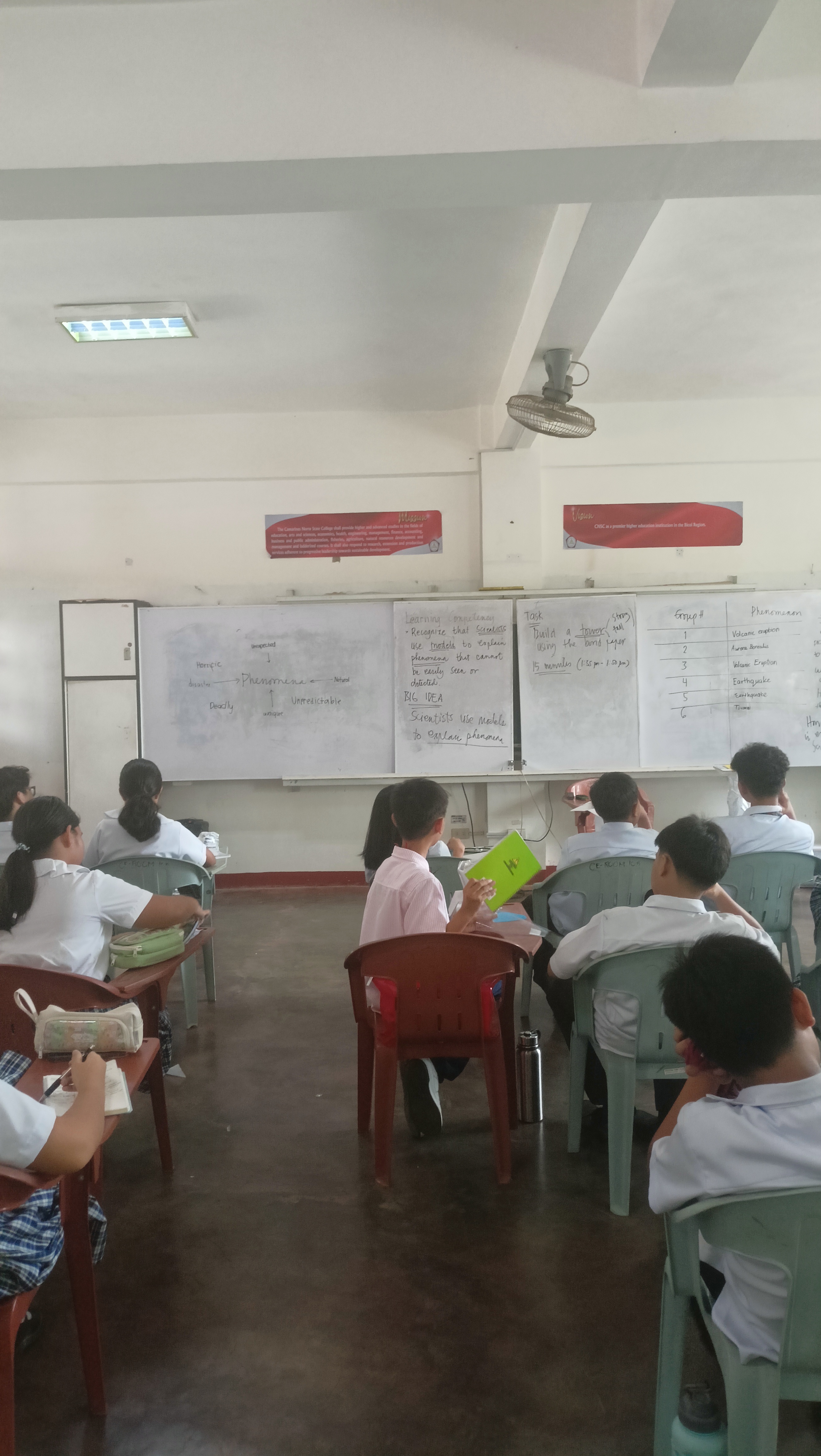
This philosophy was vividly demonstrated from my very first observation by Mr. Guinto. To introduce the abstract concept of "scientific models," the teacher utilized a simple, innovative paper-folding and tearing activity. When students' resulting paper shapes varied despite hearing the exact same verbal instructions, the physical discrepancy became a powerful, tangible springboard for discussing the nature of scientific modeling and sensory observation. Similarly, during the "Paper Tower Challenge," materials were intentionally restricted to just ten sheets of paper and adhesive tape, with scissors and rulers strictly prohibited. This limitation was not due to a lack of resources, but a deliberate pedagogical innovation: by constraining the materials and enforcing a strict fifteen-minute time limit, the teacher elevated a simple craft exercise into a high-stakes simulation of the trial-and-error process inherent to the Scientific Method.


Teaching Methods used by Teacher
-
Instruction at Abaño Campus Laboratory School is deeply rooted in an inductive, inquiry-based pedagogical philosophy. Rather than employing traditional, direct knowledge transmission, teachers consistently utilize a Socratic, question-driven teaching style. The instructional delivery deliberately follows a specific sequence: introducing an engaging activity or real-world example first, proceeding to guided questioning, and only culminating in the formal introduction of abstract concepts and academic vocabulary.
-
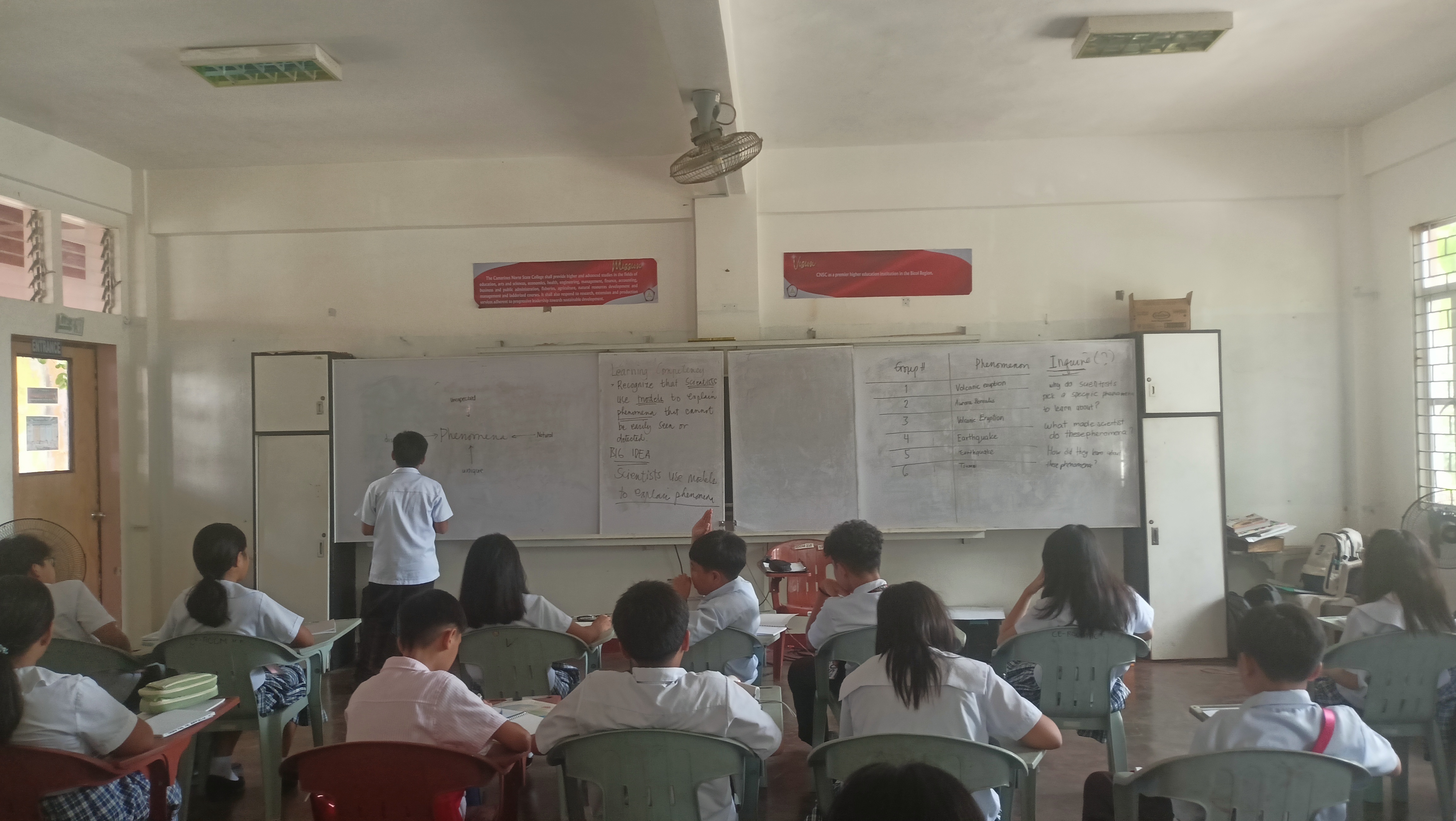
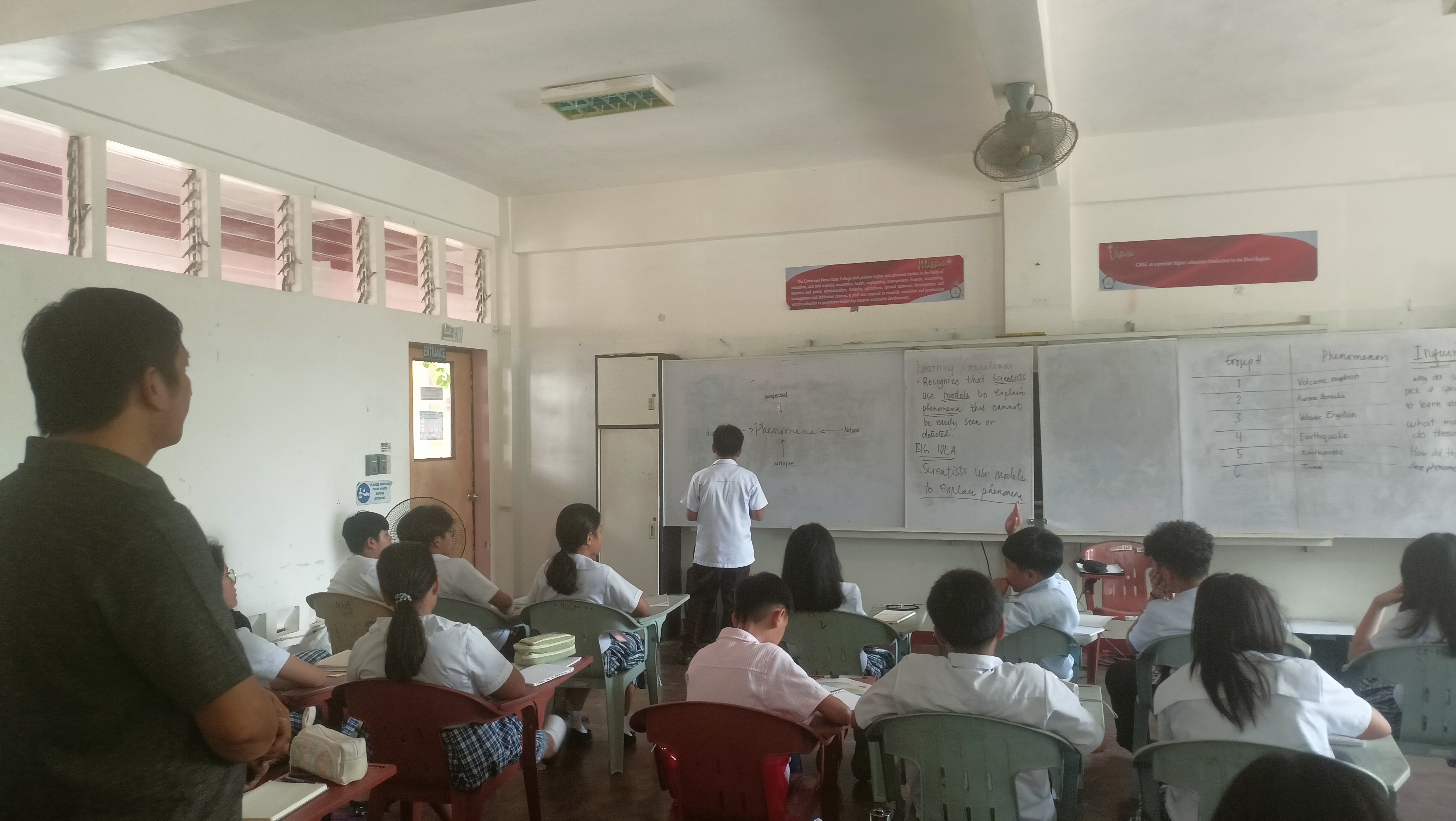
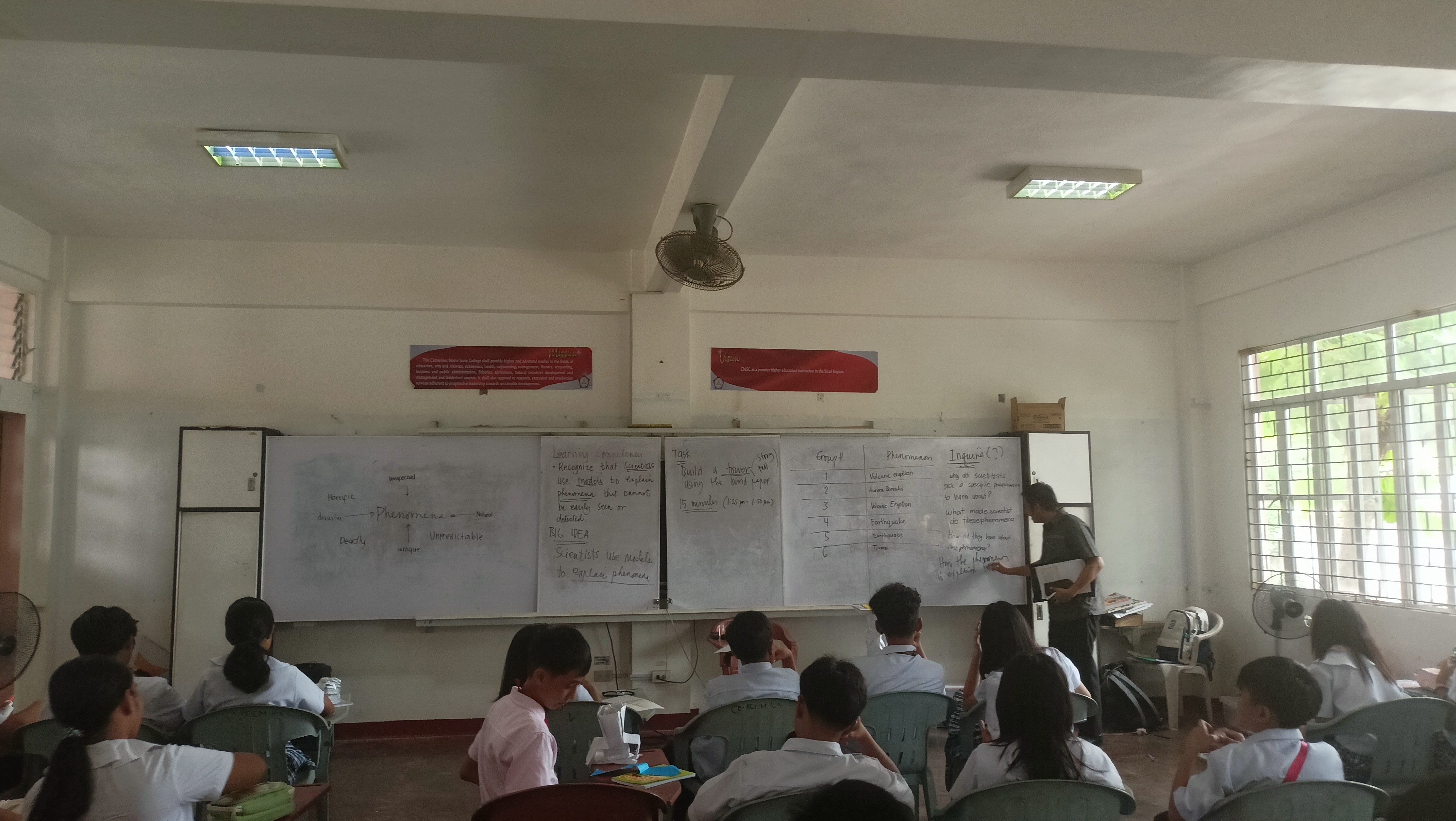
To capture student interest and establish conceptual readiness, lessons frequently begin with relatable hooks. For instance, during an observation, the cooperating teacher initiated a lesson with a rapid mental math activity to activate students' analytical focus, which seamlessly transitioned into a discussion on how scientists use their senses to observe natural phenomena. A recent local earthquake was then utilized as a concrete, familiar example before formalizing the academic standard that "scientists use models to explain phenomena".
-
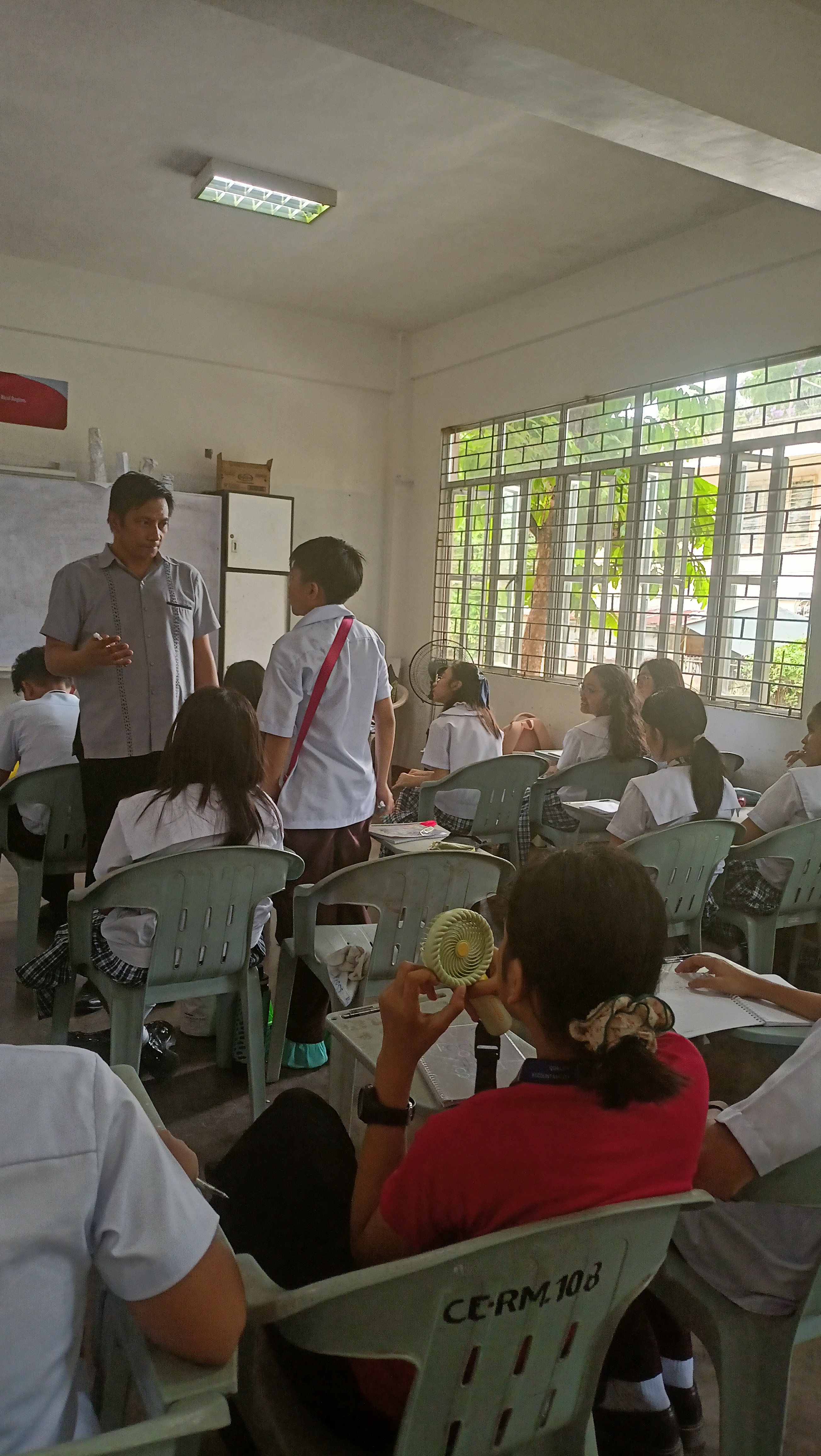
A defining characteristic of this teaching method is that educators rarely provide direct answers. Instead, they guide students toward conclusions through carefully sequenced evaluative questions. During an introductory paper-folding activity conducted with closed eyes, the teacher used the resulting mismatched shapes as a springboard for reflection, asking students why their outcomes differed rather than simply explaining the concept of active listening to them. This Socratic method carried through to the Paper Tower Challenge; as the teacher circulated among groups, he asked pointed questions such as, "Is this a strong tower?" and "Did you follow the instructions?". This compelled students to independently justify their design choices, such as defending a triangular prism as the sturdiest structural shape.
-
Structurally, while the standard instructional model for Science is the comprehensive 7E's format (Elicit, Engage, Explore, Explain, Elaborate, Evaluate, Extend), pre-service exchange teachers were granted the flexibility to utilize the more streamlined 4A's format: Activity, Analysis, Abstraction, and Application. However, true to the school's pedagogical rigor, the core spirit of the 7E's was strictly embedded within this simplified structure. The Activity stage was deliberately designed to elicit prior knowledge and engage students, the Analysis and Abstraction stages facilitated deep exploration and formal explanation, and the Application stage extended their scientific understanding through real-world, data-driven tasks.


Learning Materials and Technology
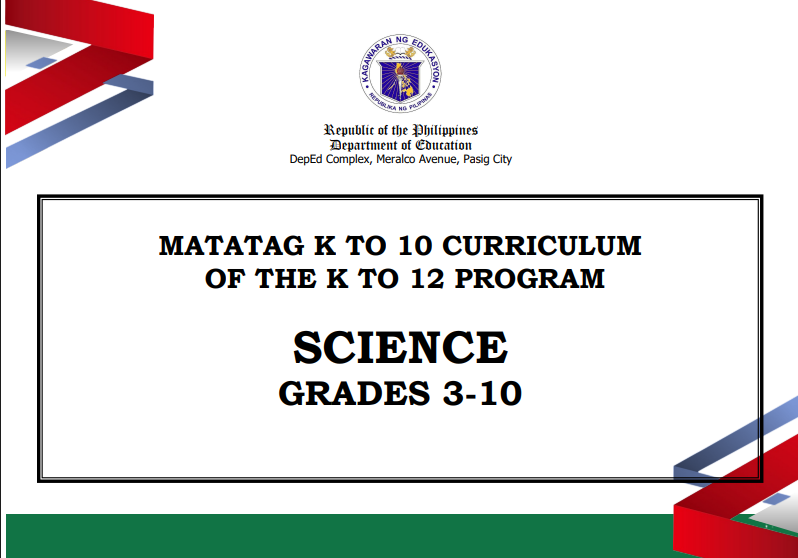
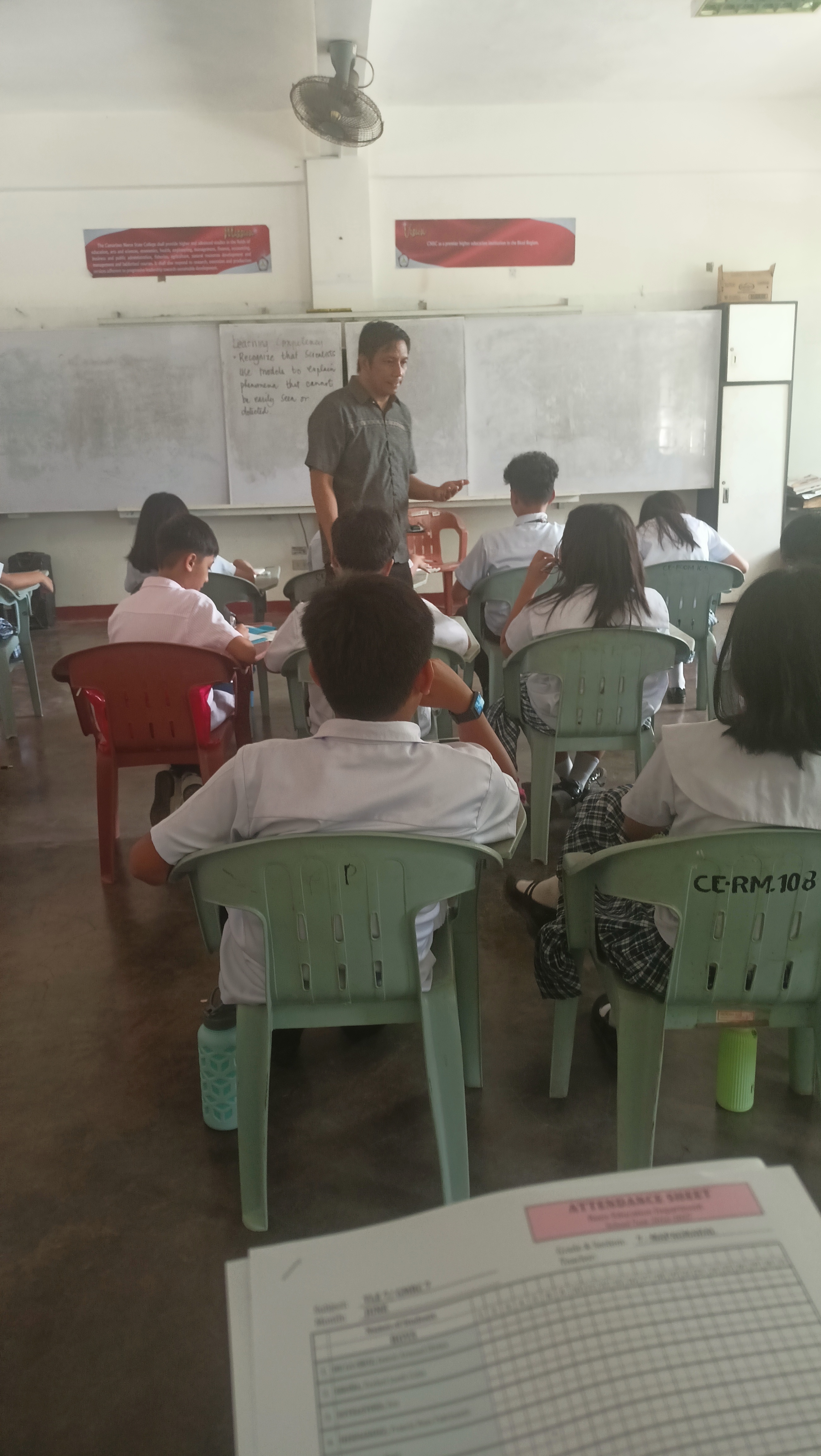
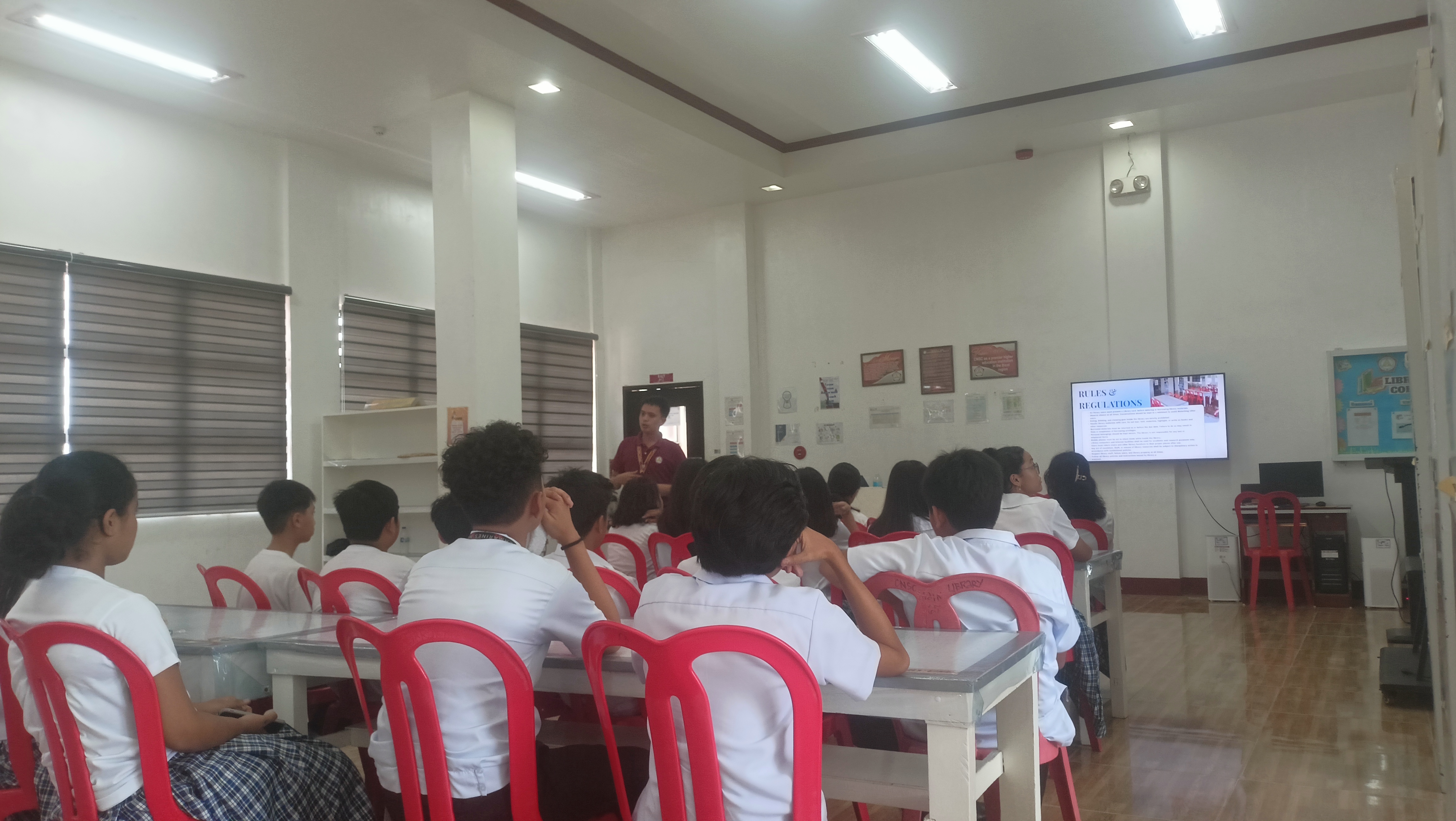
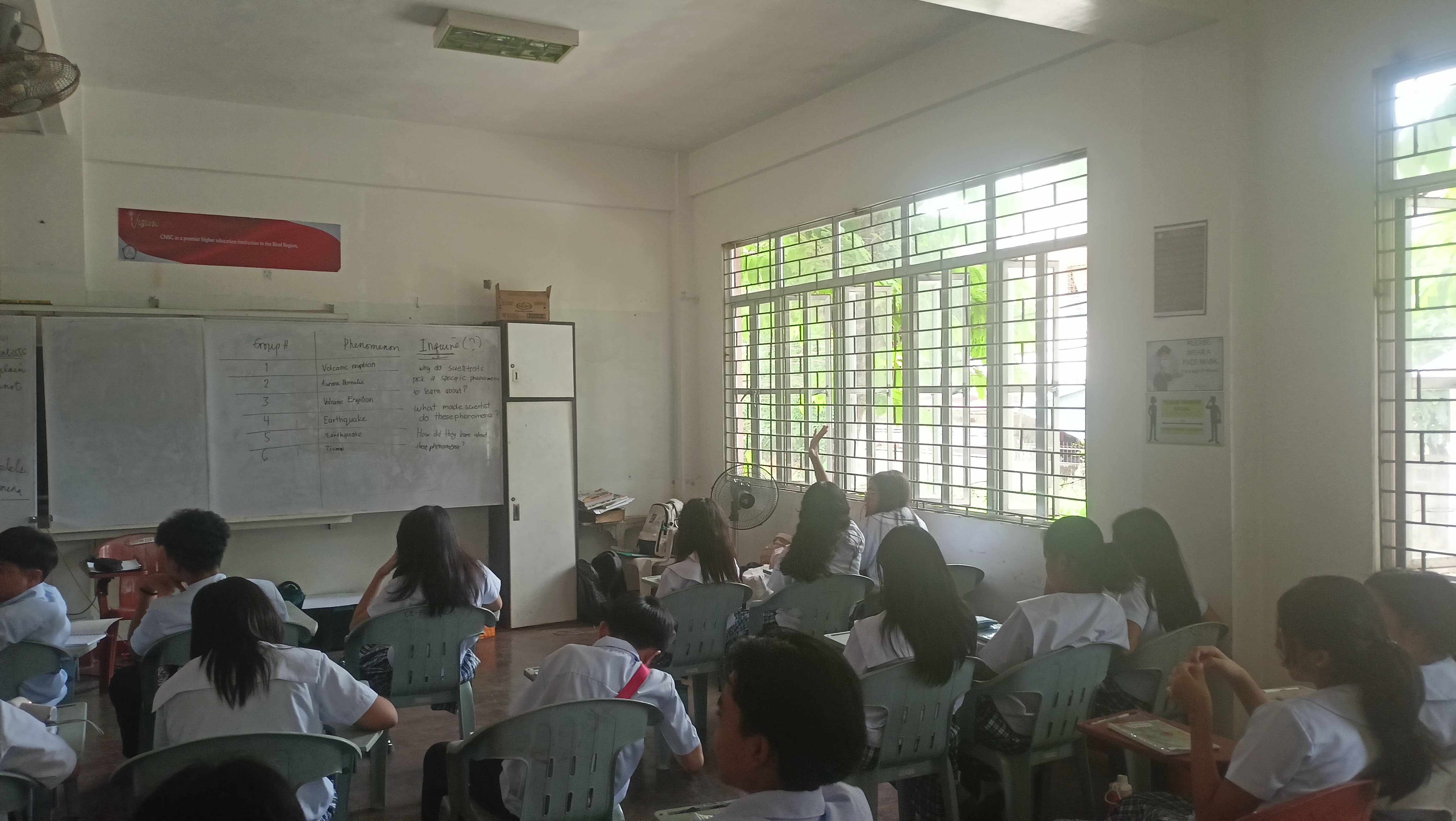
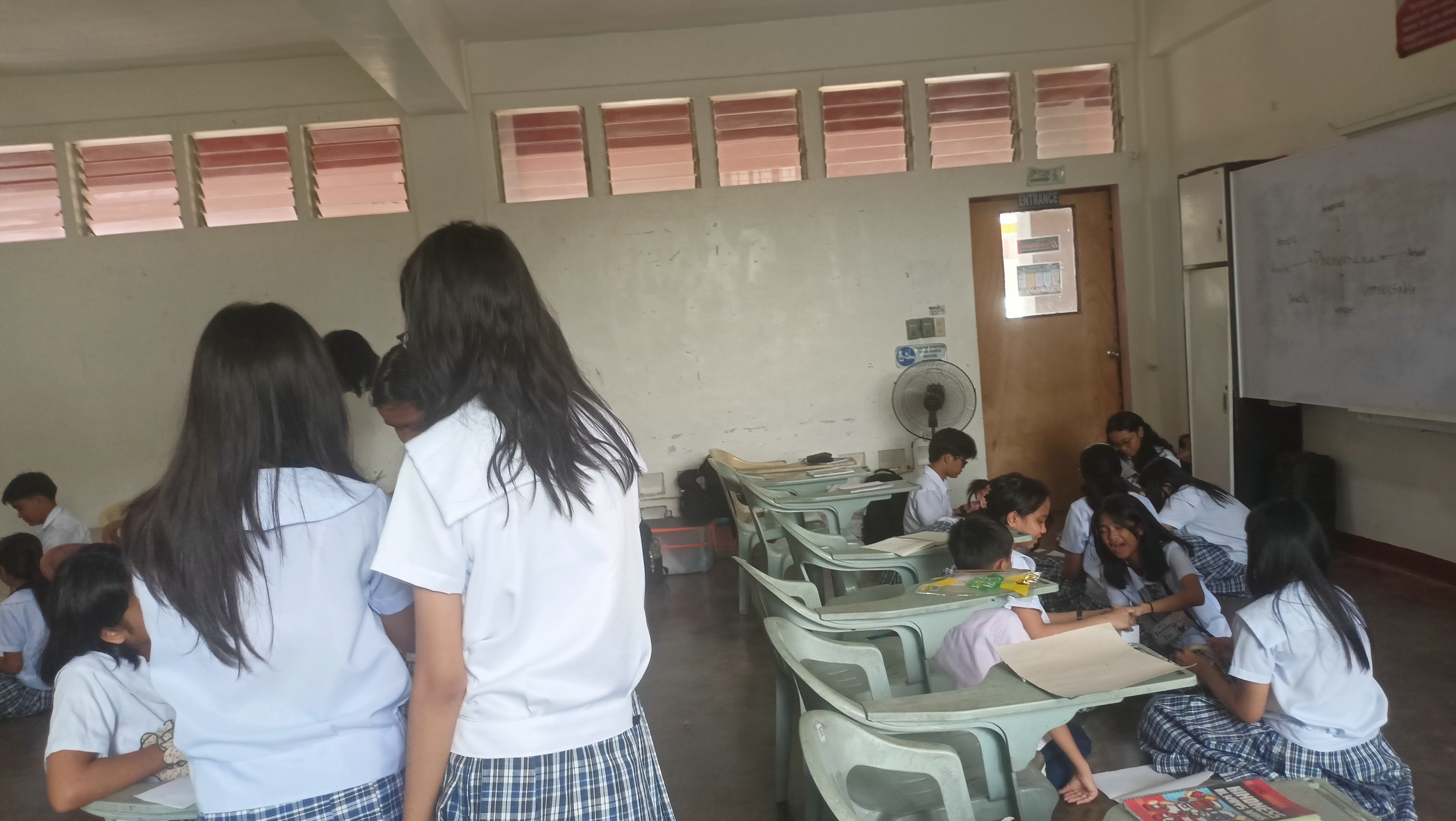
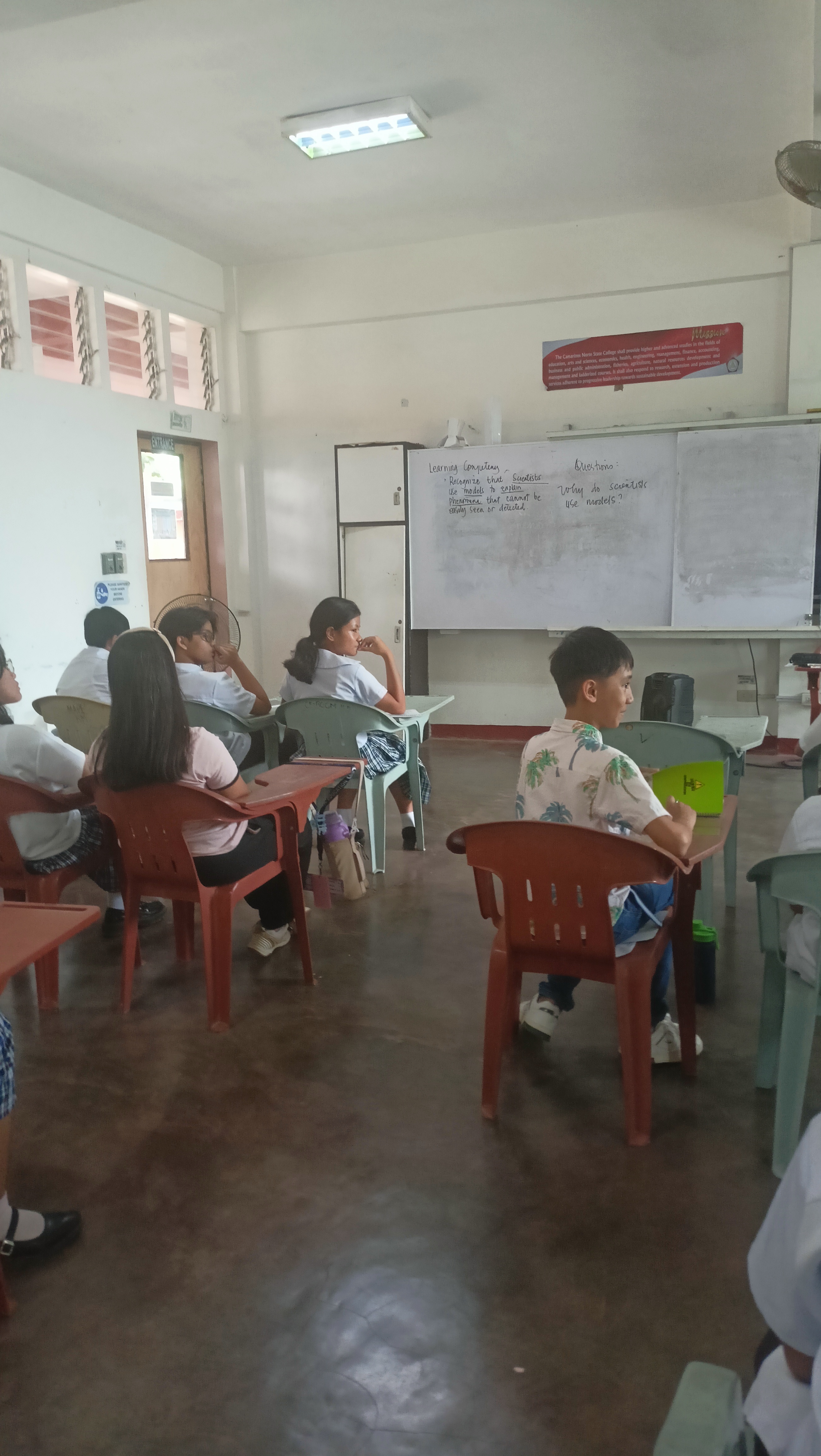
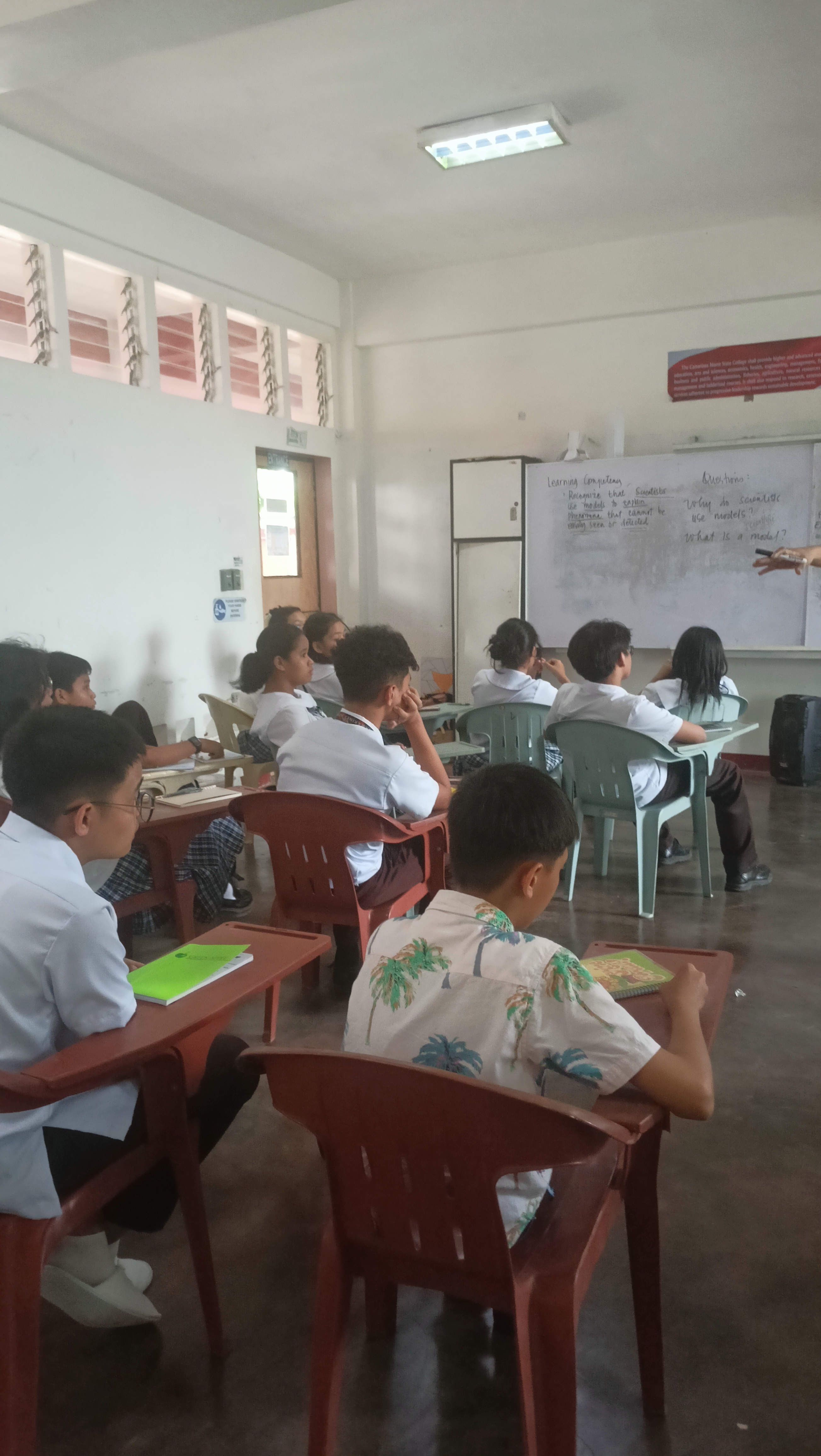
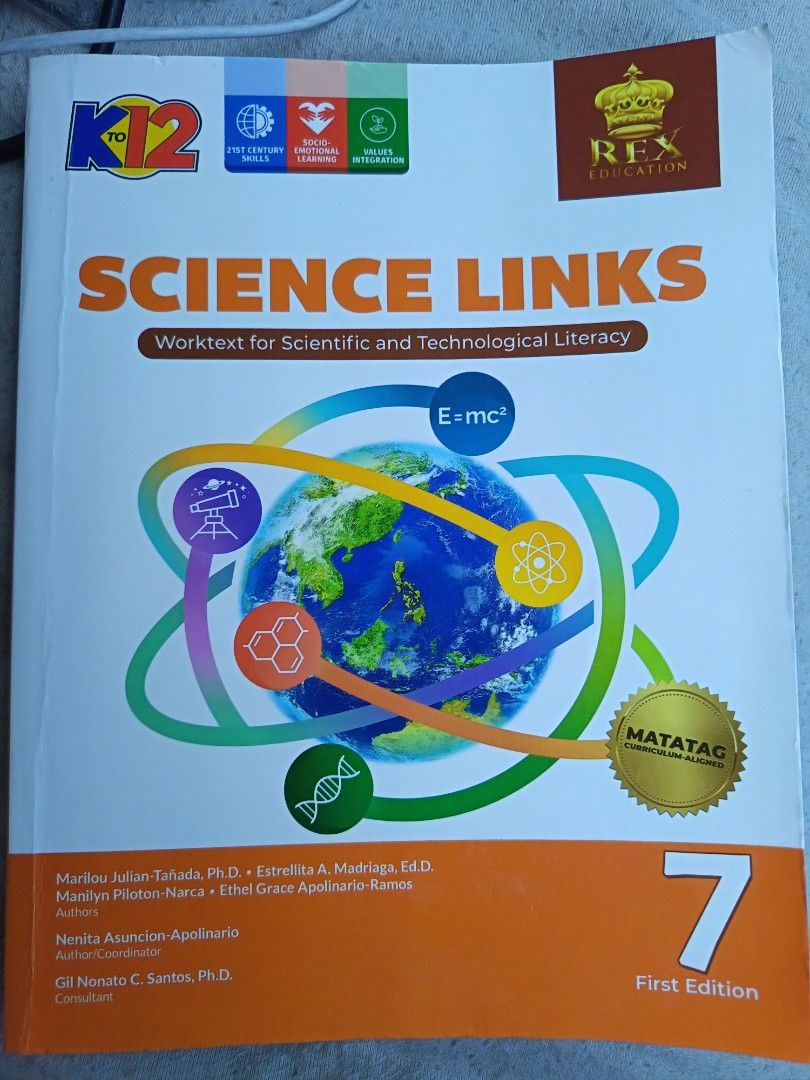
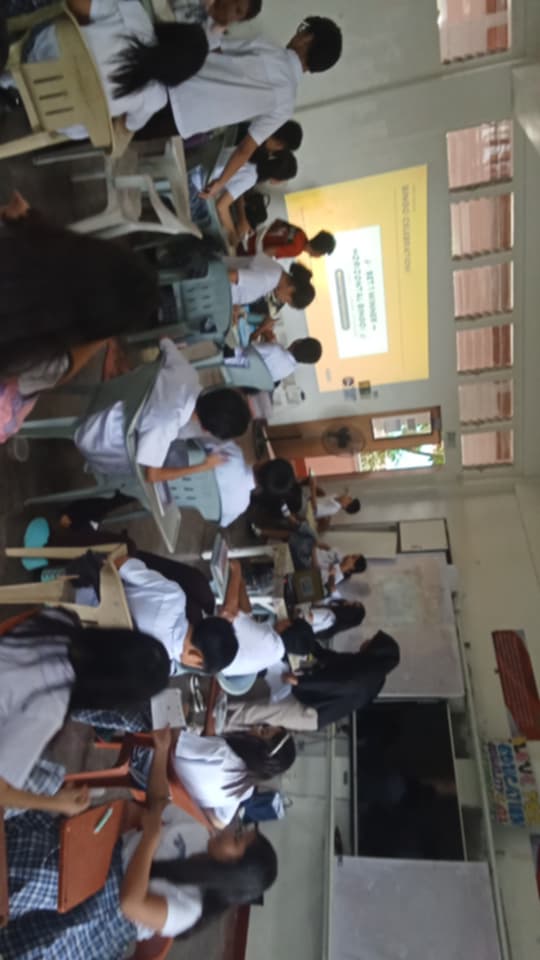
The primary learning resource for Grade 7 Science is the Science Links: Worktext for Scientific and Technological Literacy, which aligns directly with the MATATAG Curriculum. However, rather than rigidly following the worktext page-by-page, teachers primarily anchor their lesson planning on the official Teacher's Guide competency table to ensure overarching learning objectives are met effectively. In terms of technology, the classrooms effectively blend modern and traditional instructional tools. Each room is equipped with a Smart TV, which is actively used to display digital presentations, visual aids, and educational videos—such as demonstrating real-world water treatment facilities during the scientific investigation unit. This digital integration operates seamlessly alongside the traditional blackboard, which remains an essential, dynamic tool for writing real-time notes, solving mathematical equations, and mapping out student-generated data during class discussions.


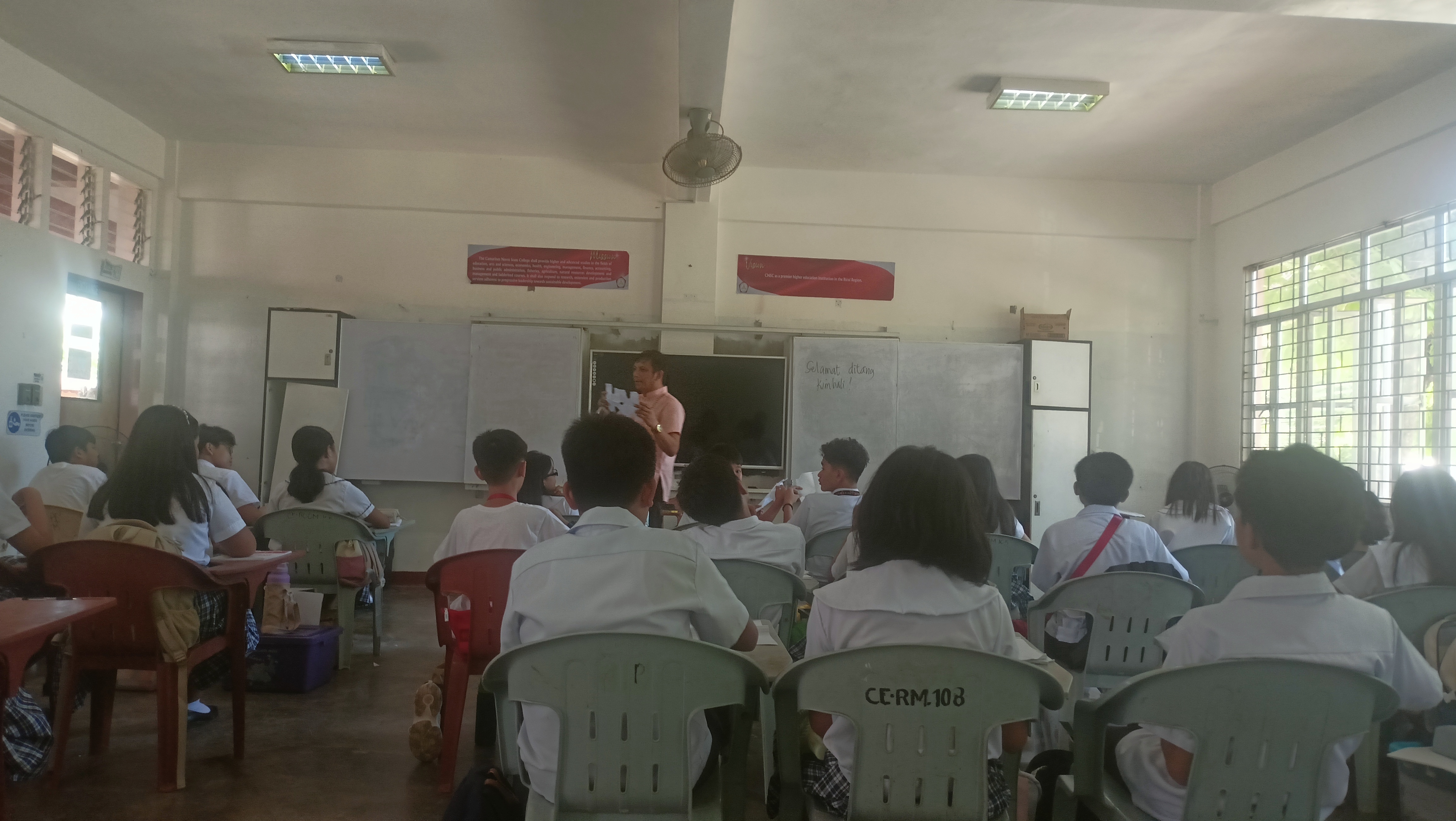
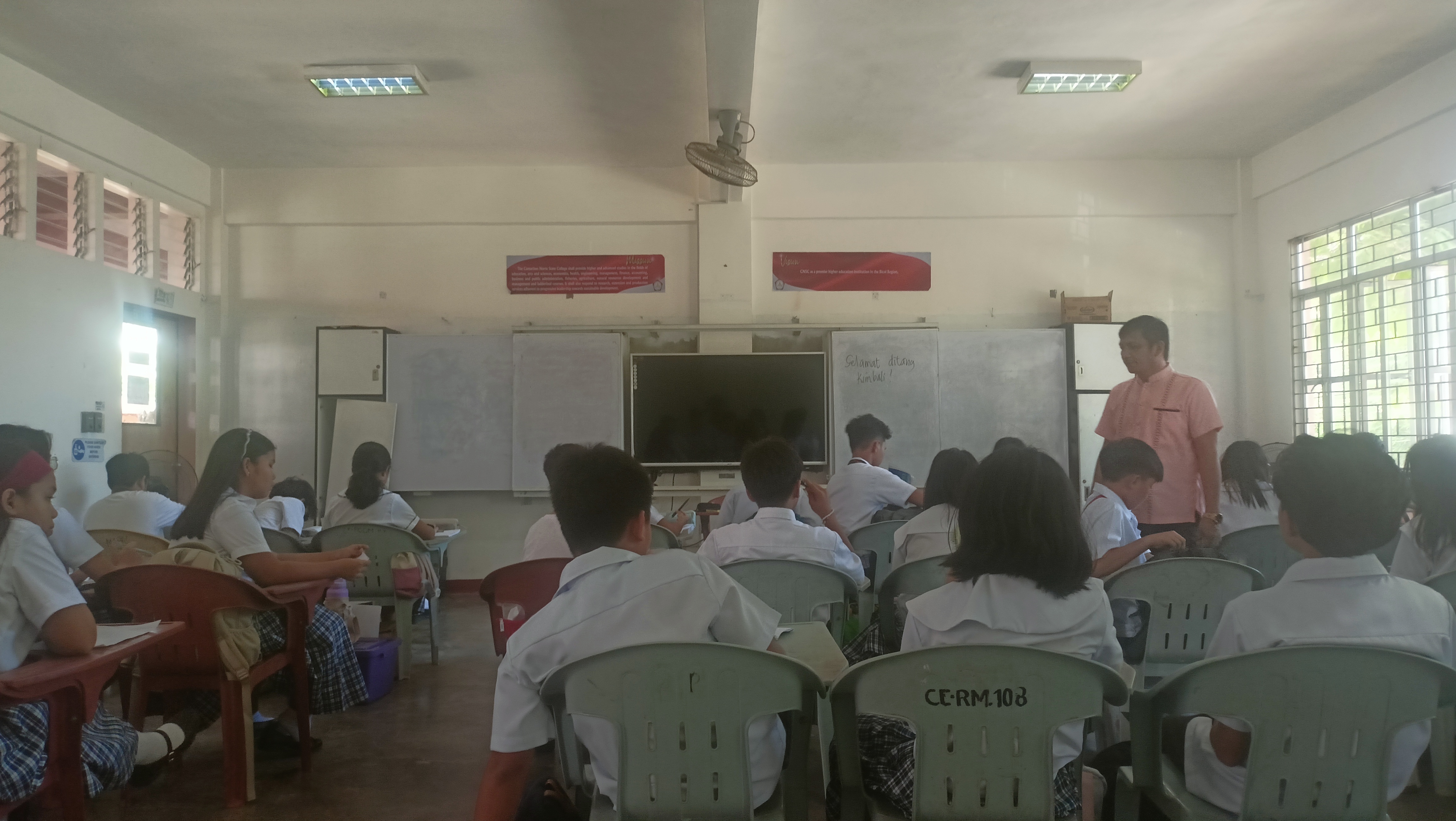
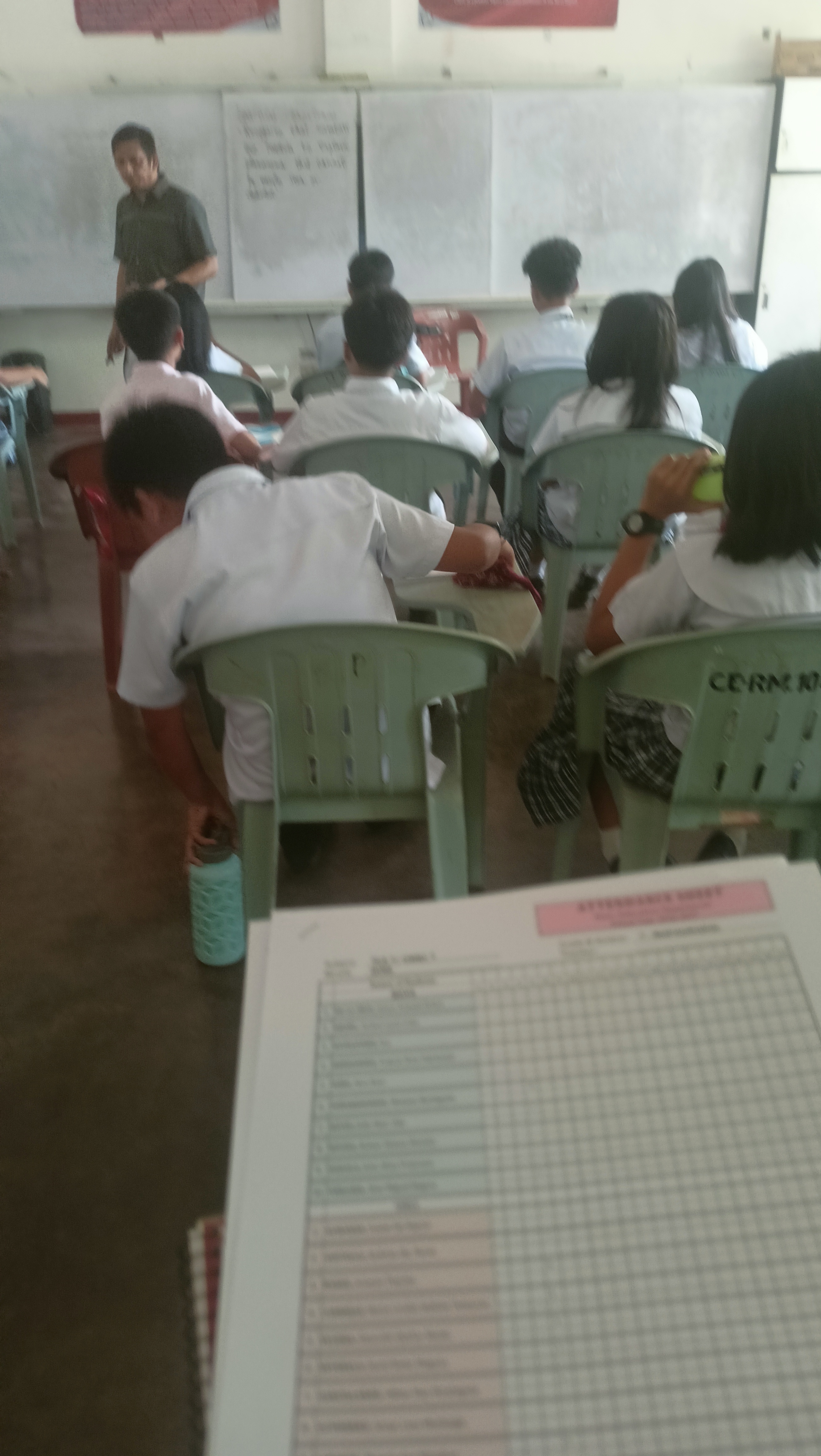
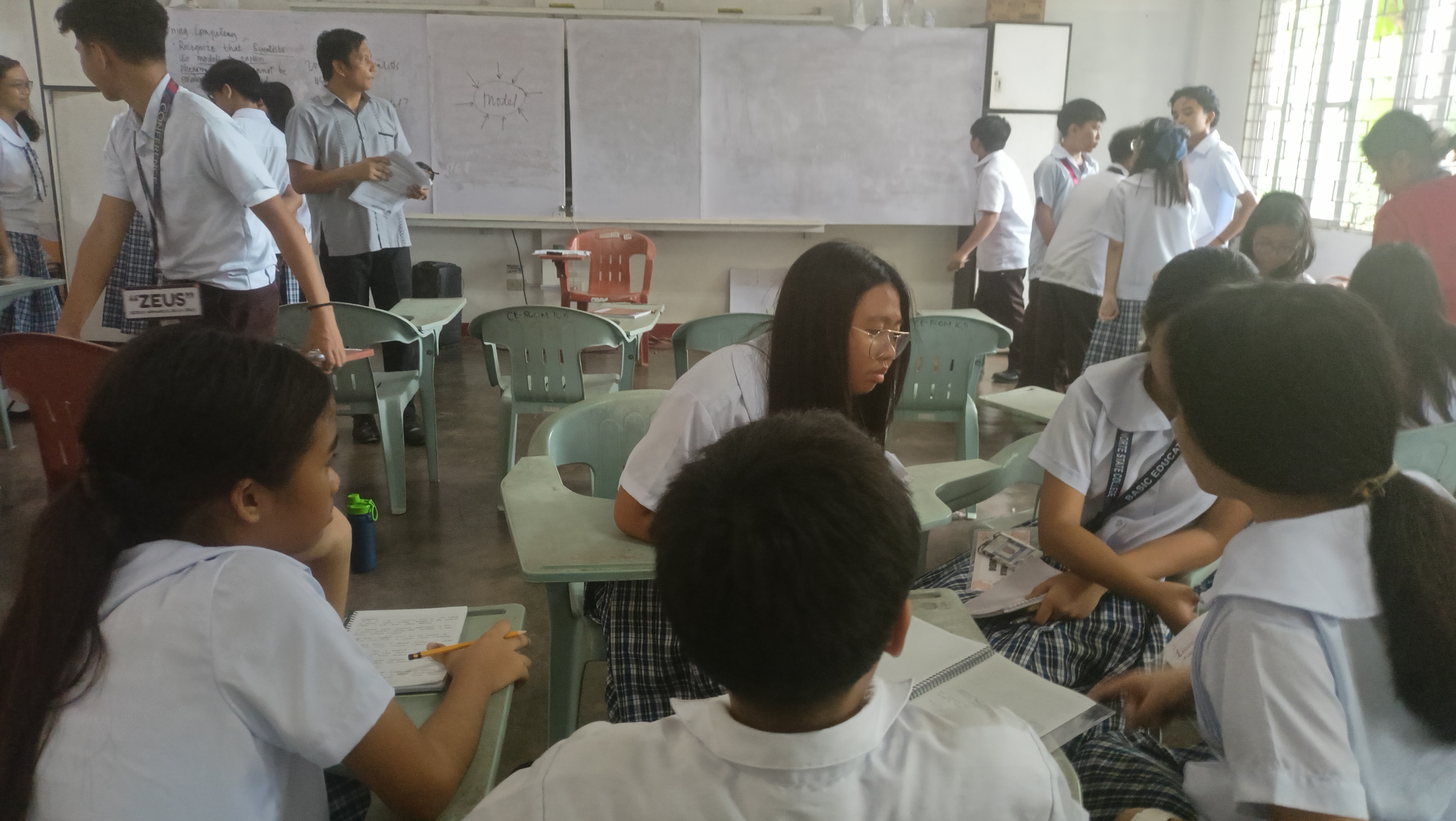
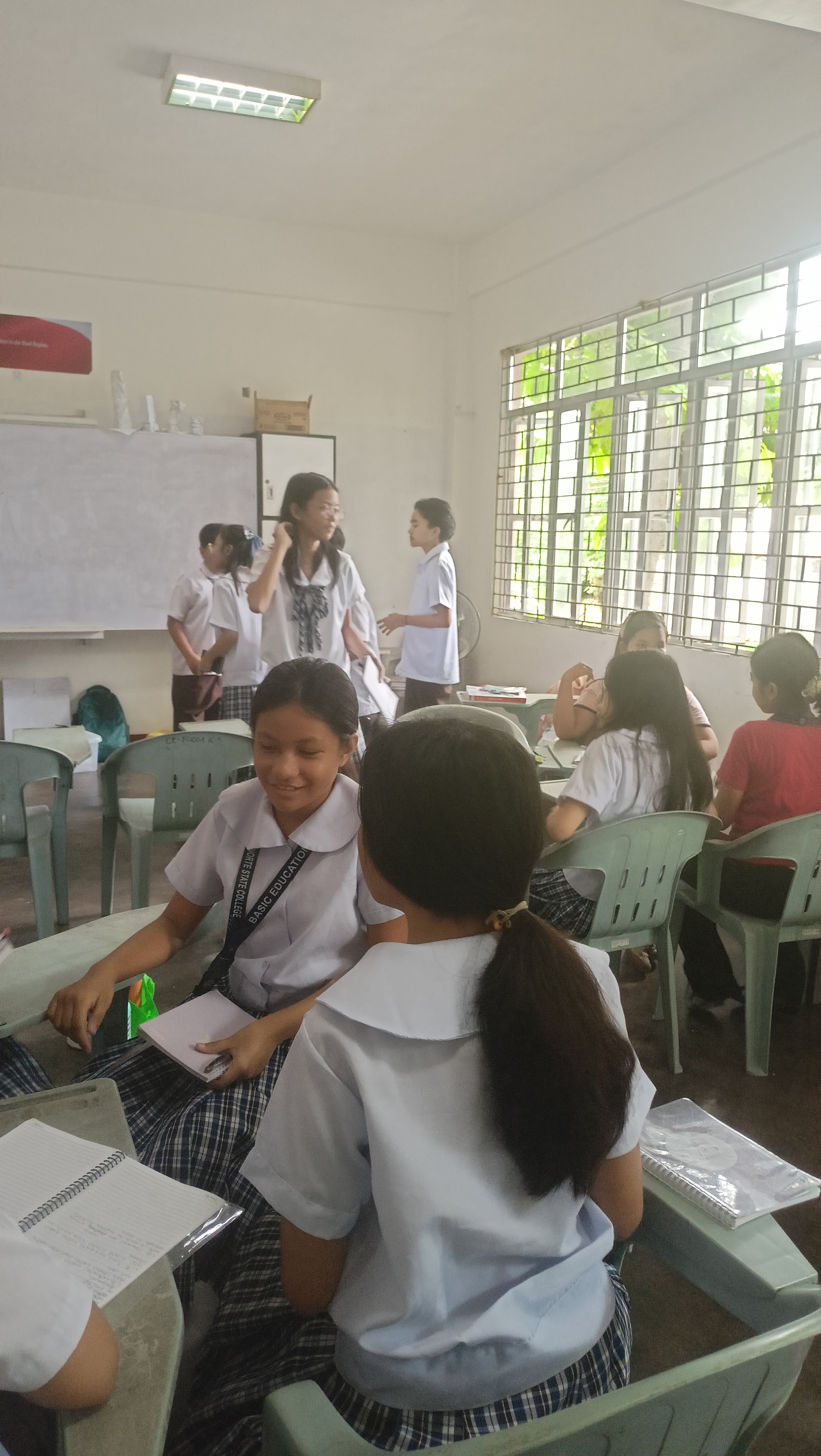
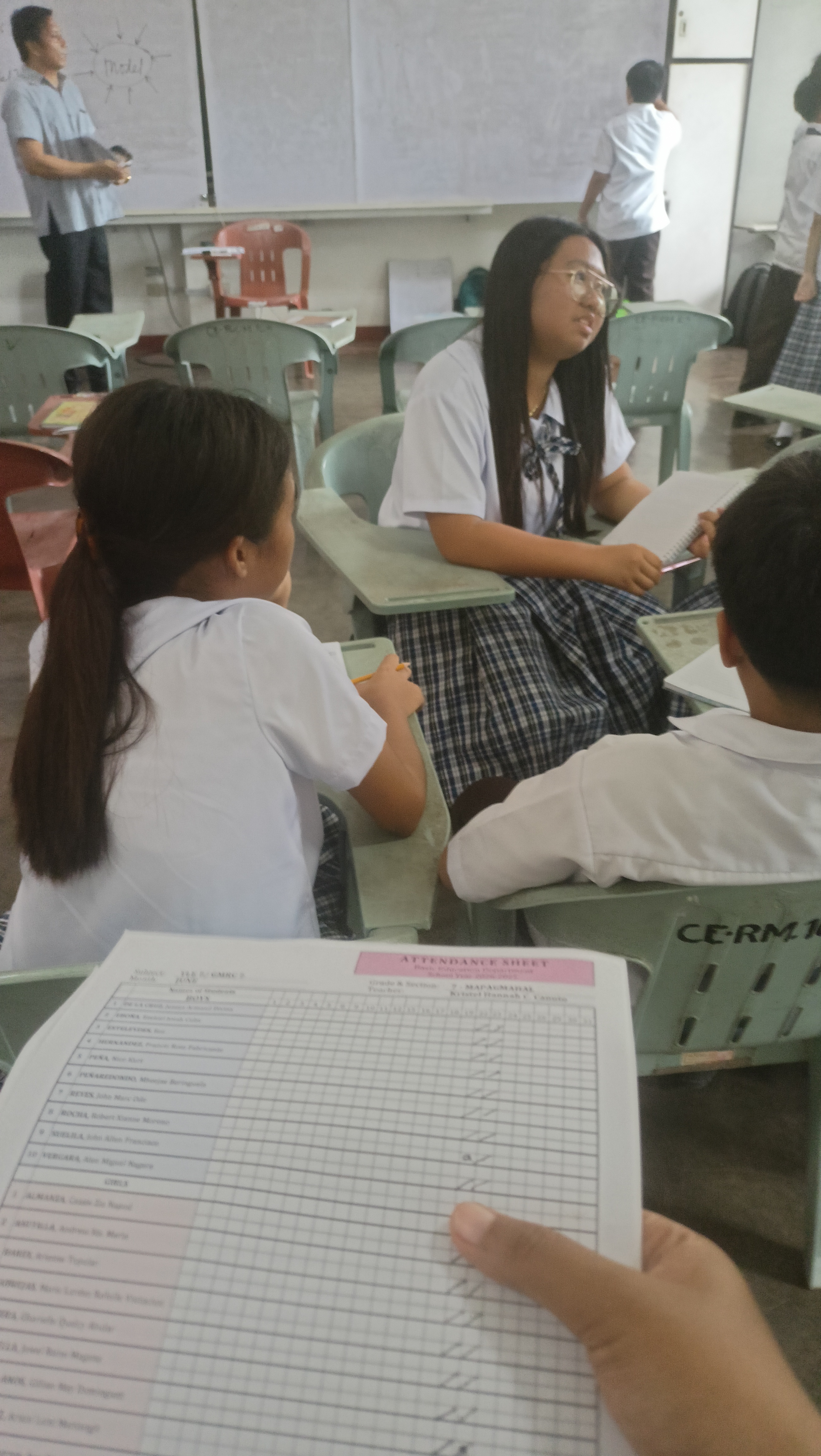
Learning Source and Facilities
used for Students
Authentic Assessment
Assessment at Abaño Campus extends far beyond traditional, end-of-unit summative testing. The evaluation system is highly dynamic and student-centered, employing a continuous, authentic approach that integrates formative oral evaluations, performance-based group assessments, and targeted individual written evaluations. Rather than waiting for a lesson to conclude, teachers actively use "cold-calling" techniques during discussions to gauge students' real-time conceptual understanding. Furthermore, during collaborative hands-on activities, students are assessed on their entire scientific process. For instance, during group investigations, the teacher evaluates how well students formulate initial predictions, execute procedures, and justify their conclusions during presentations, rather than grading solely on their final physical output. To maintain objectivity, short individual written evaluations or "exit slips" are frequently administered at the end of a session and assessed using structured analytic rubrics. Additionally, summative assessments are strategically given at the end of each specific sub-topic to ensure mastery of individual learning competencies before the class progresses to the next lesson.