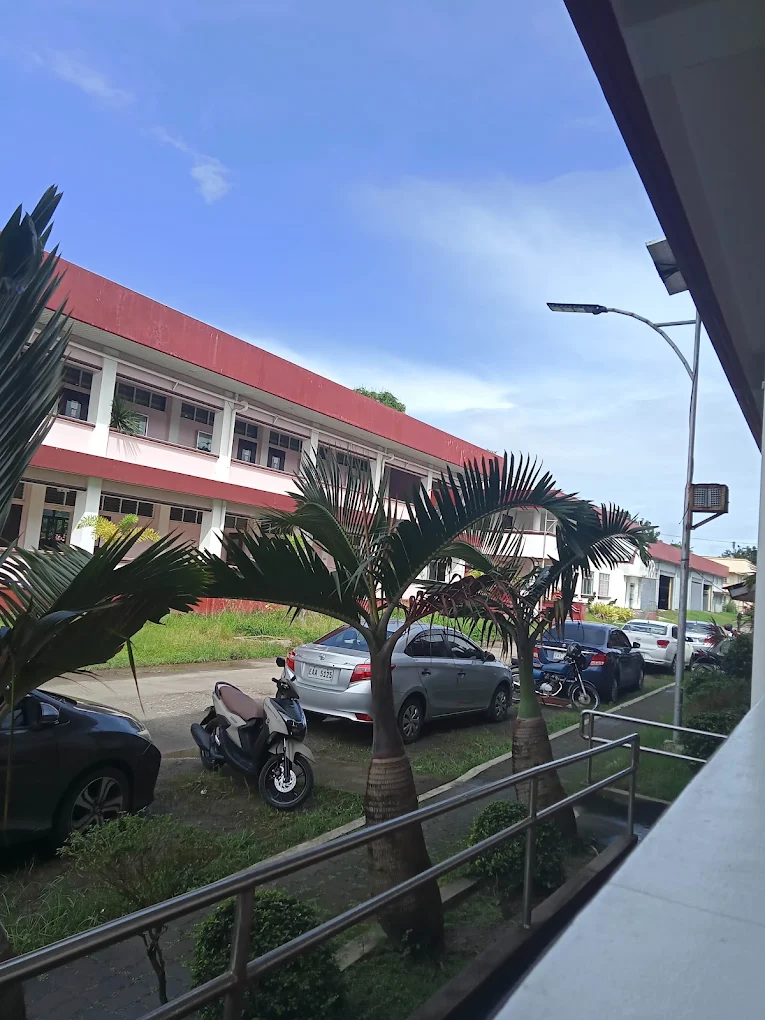
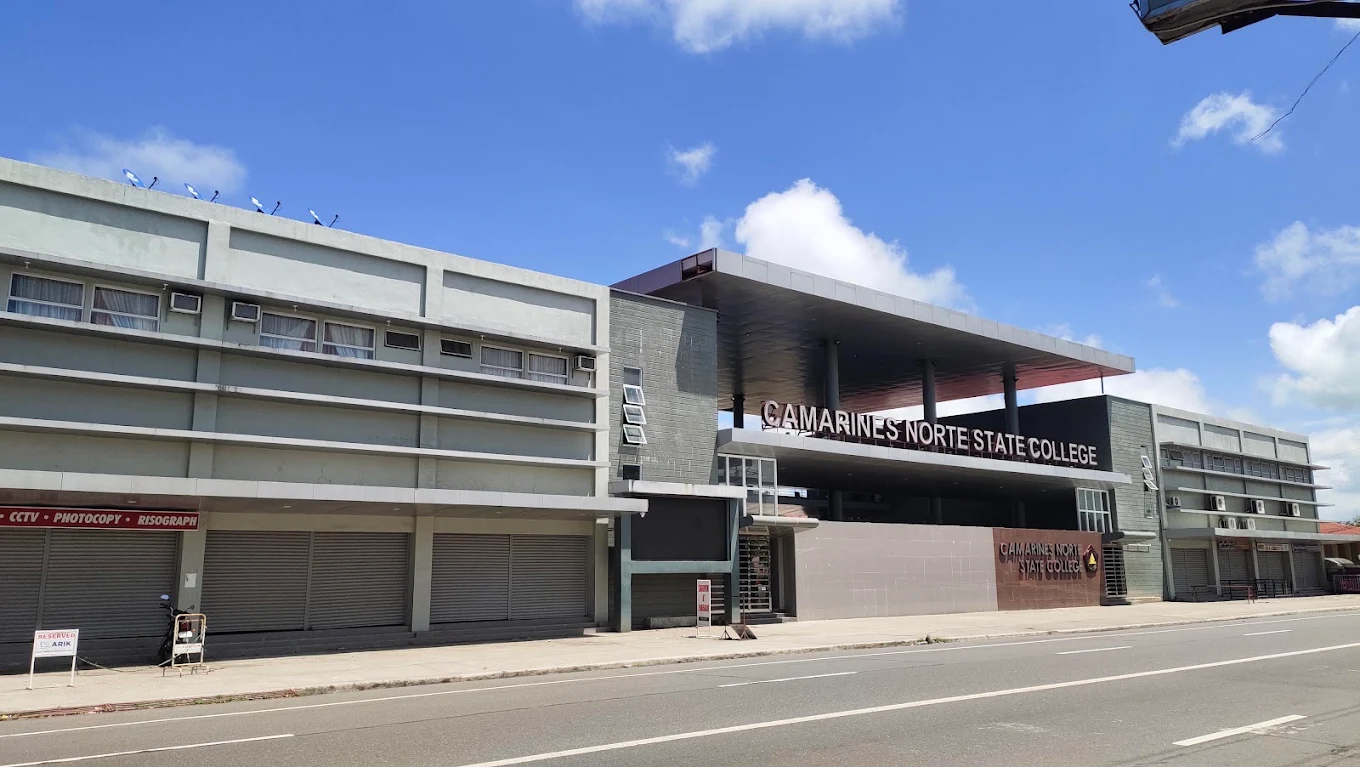
The Destination Base:
University of Camarines Norte


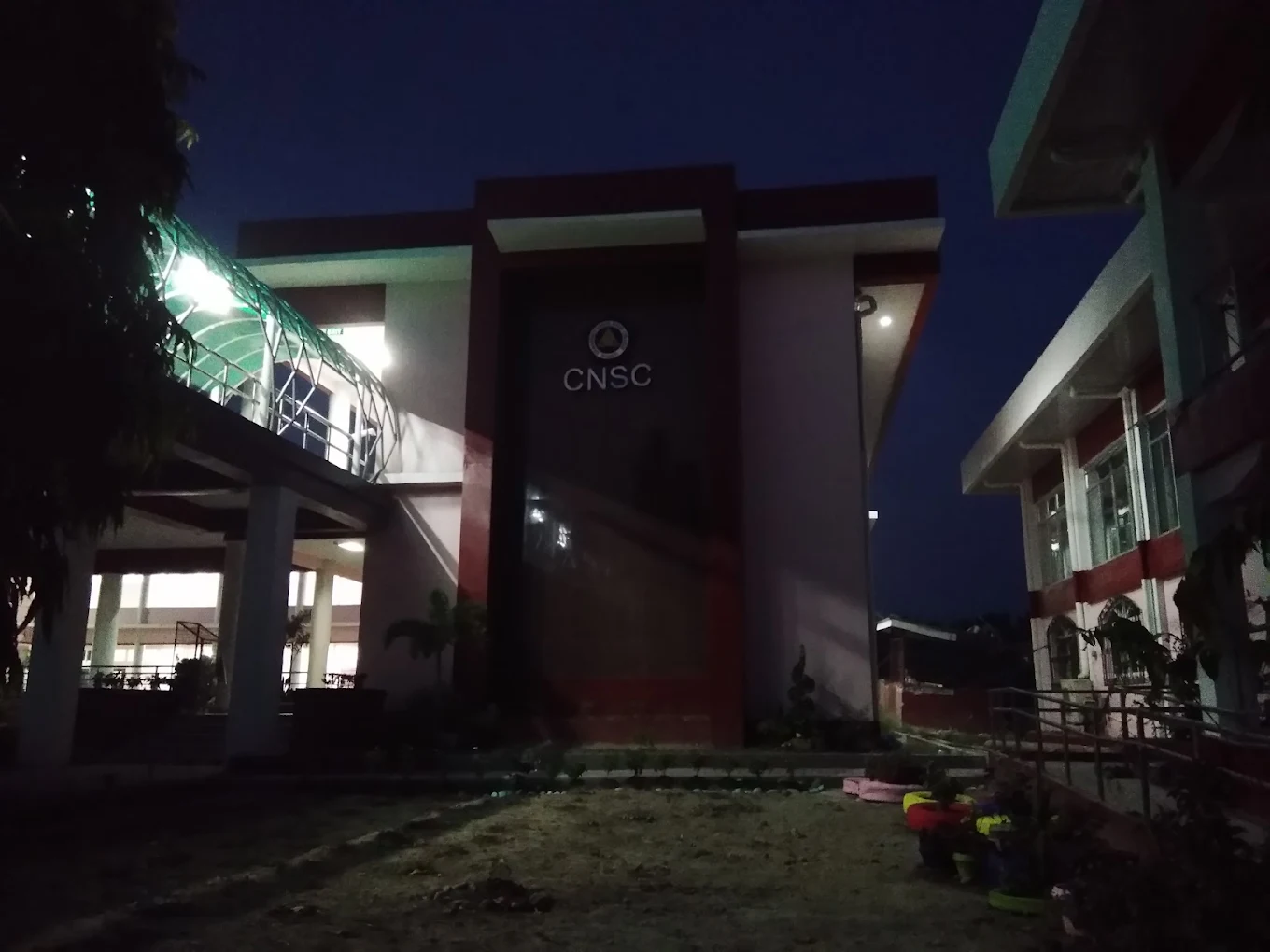
The University of Camarines Norte (UCN)—formerly Camarines Norte State College (CNSC)—is a premier state university located in Daet, Camarines Norte, Philippines. Tracing its foundational roots back to 1920, the institution was officially established as a consolidated state college on April 2, 1992, through Republic Act No. 7352 signed by President Corazon C. Aquino. Today, UCN stands as a vital academic pillar dedicated to providing progressive education, technological innovation, and comprehensive research to drive sustainable regional growth and produce highly capable, value-laden graduates.
Institution Profile


VISION
MISSION
To be a dynamic, sustainable, and comprehensive institution of higher learning in the Bicol Region, dedicated to producing globally competitive and value-laden graduates
In accordance with its General Mandate under Republic Act No. 11399, the University of Camarines Norte (UCN) is driven by a comprehensive mission to provide advanced education, higher technological training, and professional vocational instruction across a vast spectrum of disciplines, including education, arts and sciences, engineering, and health sciences. Beyond rigorous academic instruction, the university is deeply committed to undertaking strategic research, robust extension services, and innovative production activities that directly support the sustainable development of Camarines Norte province and Region V. Through this multidimensional approach, UCN stands as a strategic catalyst, providing progressive leadership and empowering the regional ecosystem through its specialized areas of expertise.
HISTORY
Historical Timeline: The Evolution of UCN
-
1920 | Institutional Genesis: The university traces its roots to the establishment of Camarines Norte High School.
-
1973 | First Legal Transformation: Parliamentary Bill No. 2378 officially converted the school into Camarines Norte National High School (CNNHS).
-
April 2, 1992 | The State College Era (CNSC): President Corazon C. Aquino signed Republic Act No. 7352, converting CNNHS in Daet into Camarines Norte State College. This integrated four component schools under a unified Board of Regents: Abaño Pilot Elementary School, Mercedes School of Fisheries, Camarines Norte National Agricultural School, and Camarines Norte School of Arts and Trades.
-
1994 – 2004 | Leadership Milestones: Progressive leadership shaped CNSC's growth. Dr. Lourdes Apuya-Cortez served as an early president (installed July 1994). Dr. Floria Palacio-Tagarino followed in July 2000, focusing on re-visioning and research orientation. Dr. Wenifredo T. Oñate was subsequently sworn in as the third president in August 2004.
-
August 22, 2019 | Legislative Elevation: President Rodrigo Duterte signed Republic Act No. 11399, mandating the conversion of CNSC into a full-fledged state university. The law established a main campus in Daet alongside regular campuses in Abaño, Mercedes, Labo, Jose Panganiban, Basud, and Sta. Elena. This initiated a compliance period requiring a five-year development plan submitted to CHED within 120 days.
-
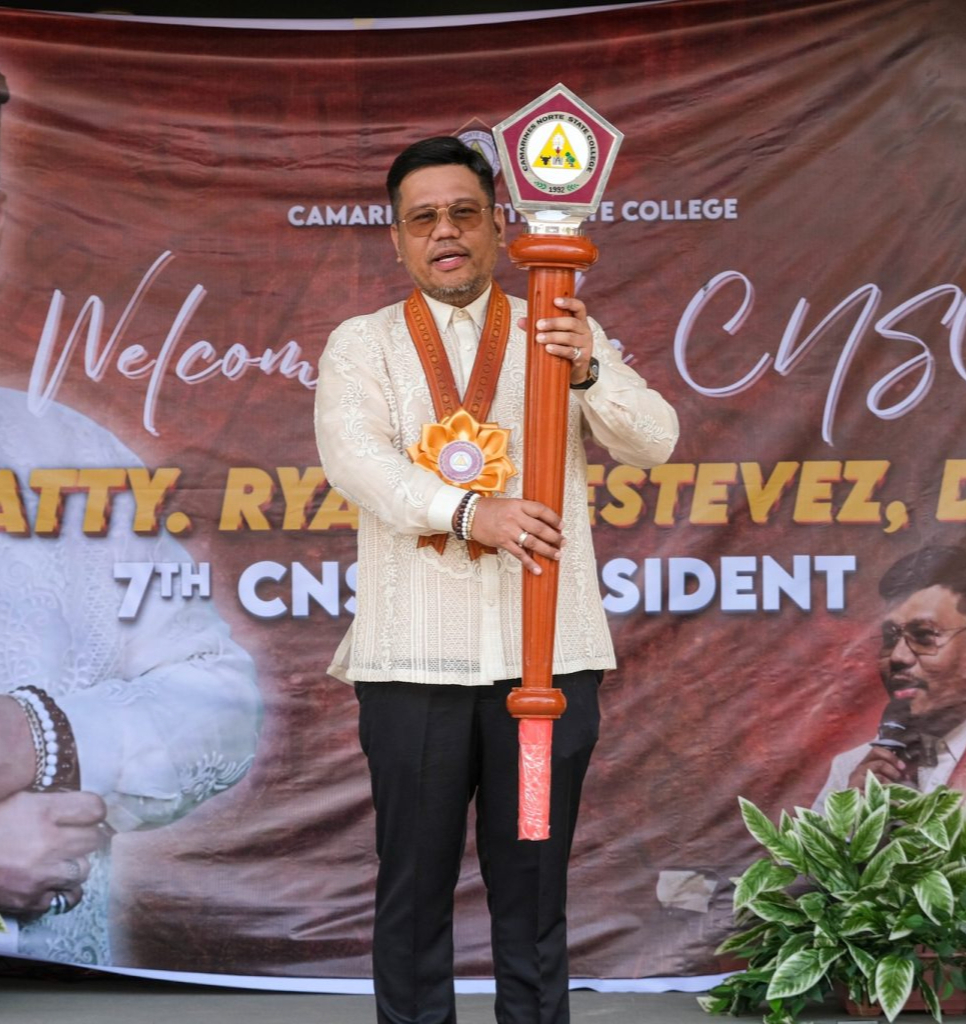
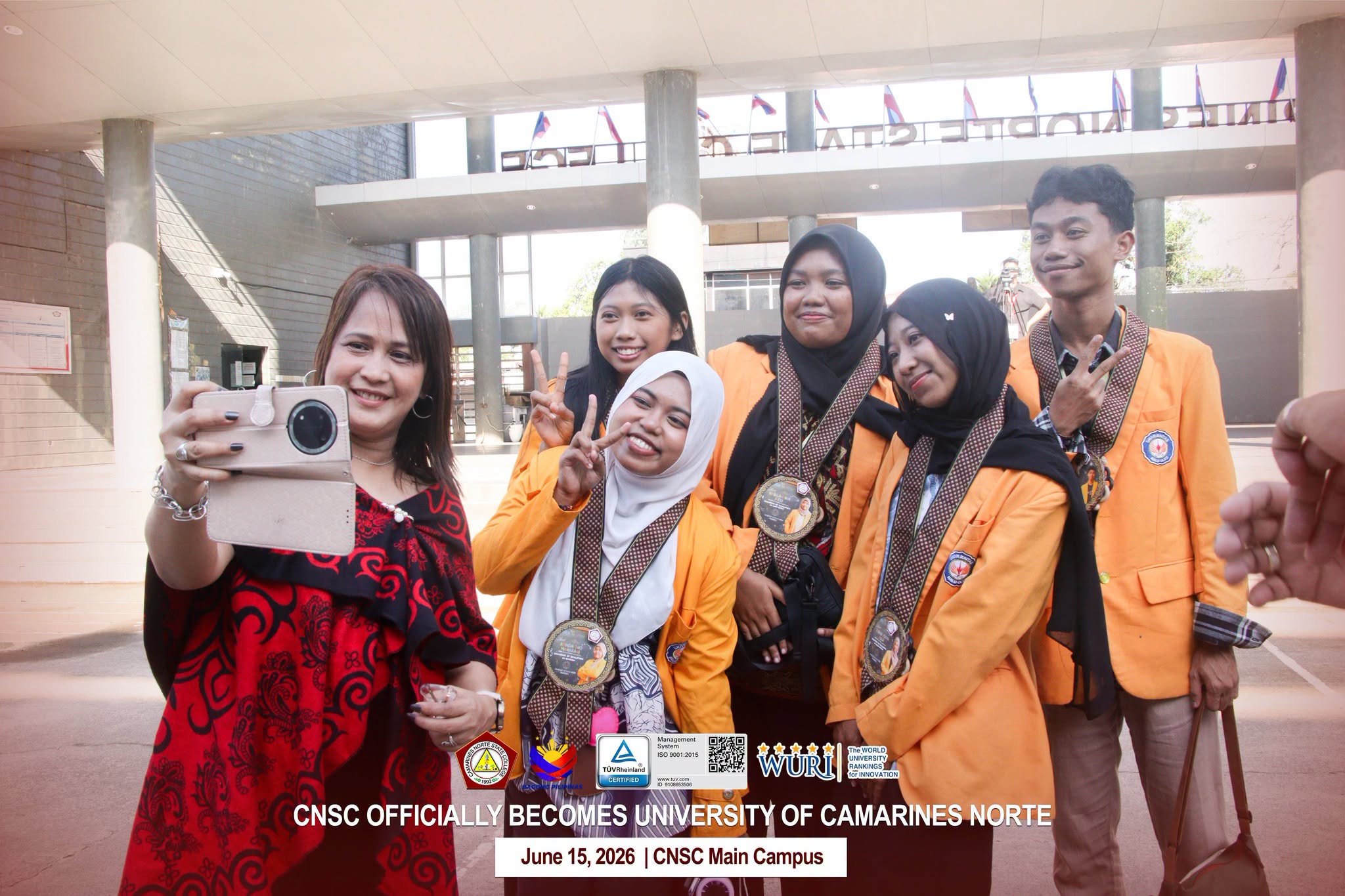
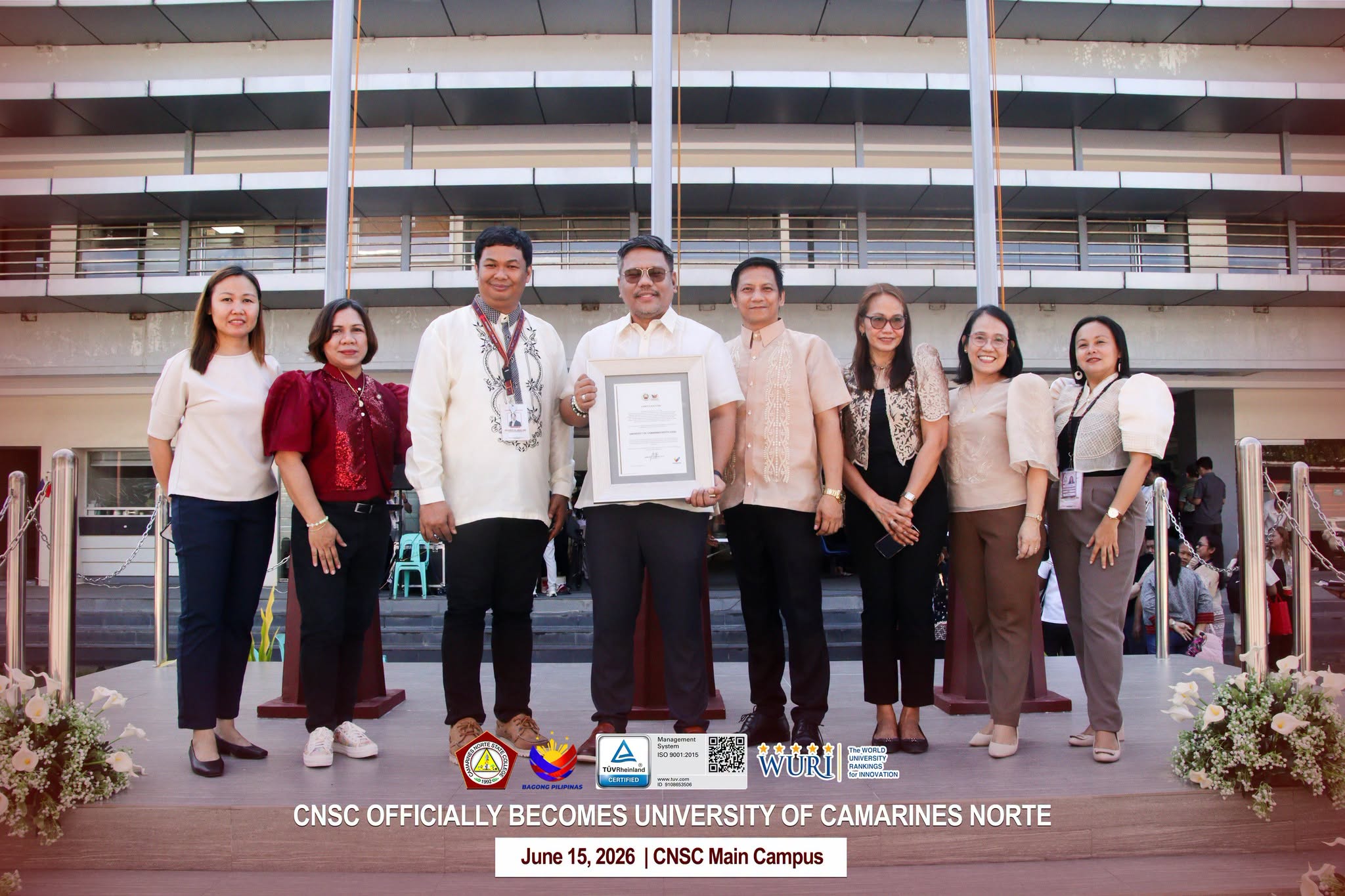
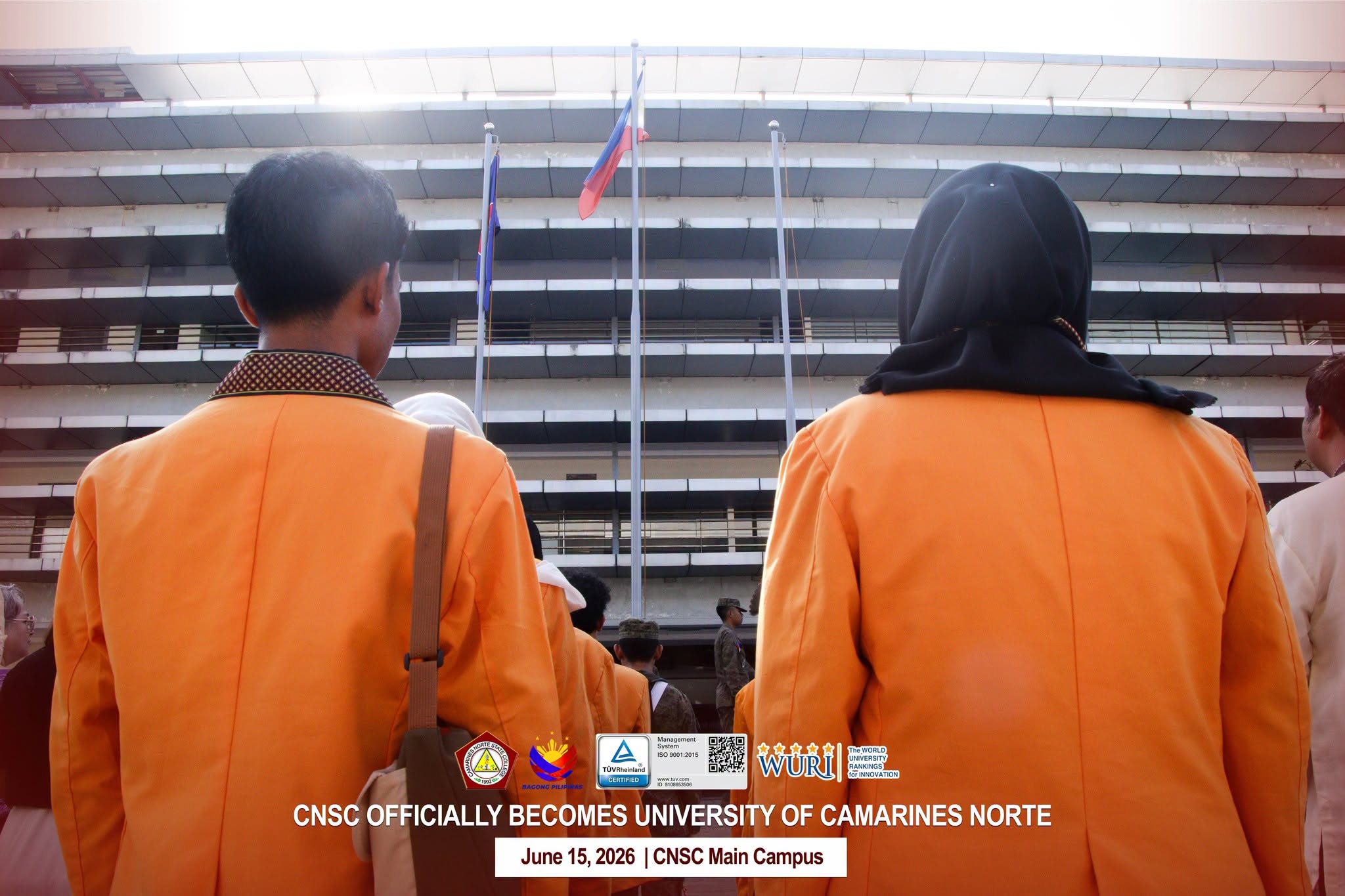
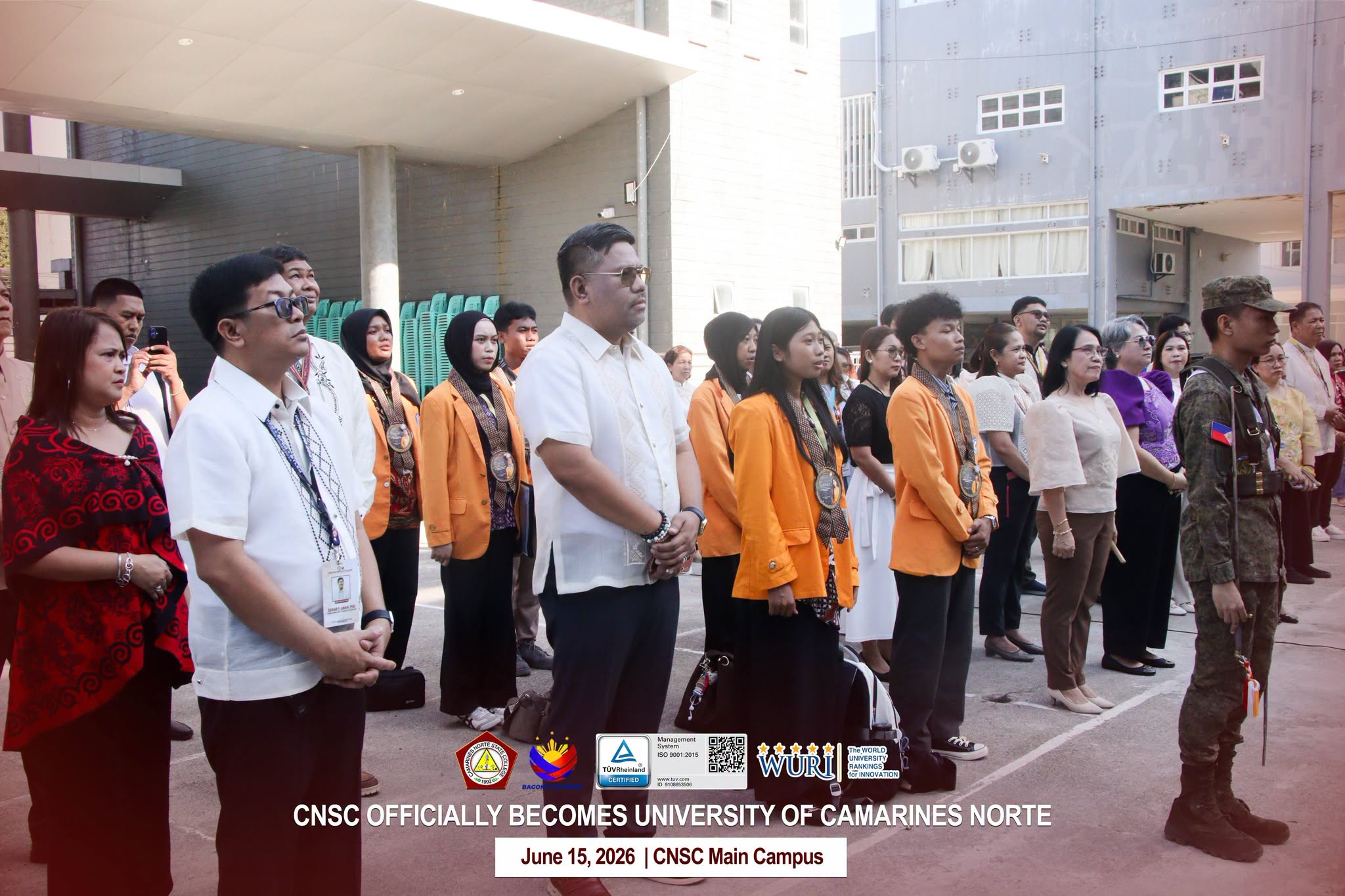
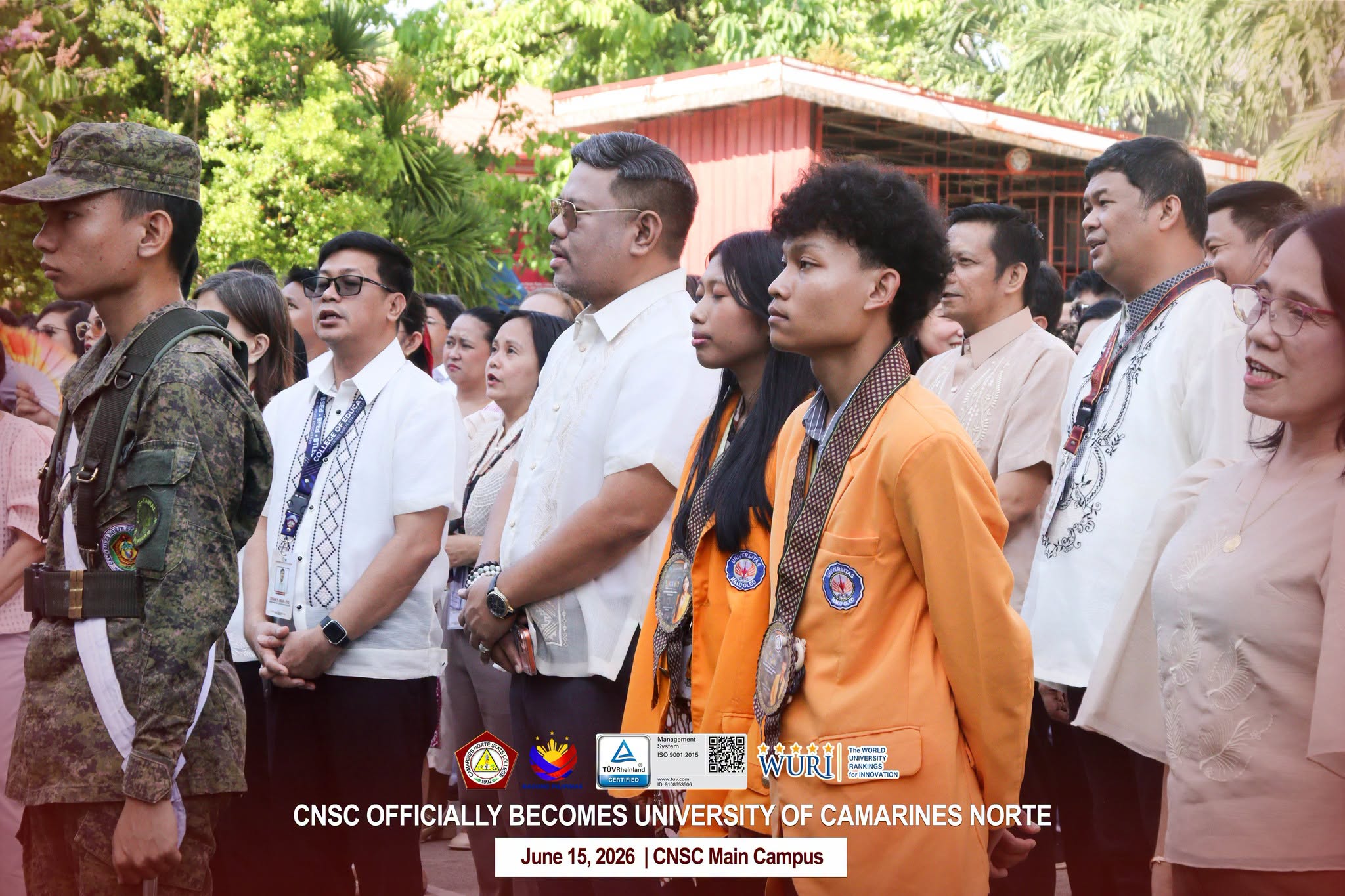
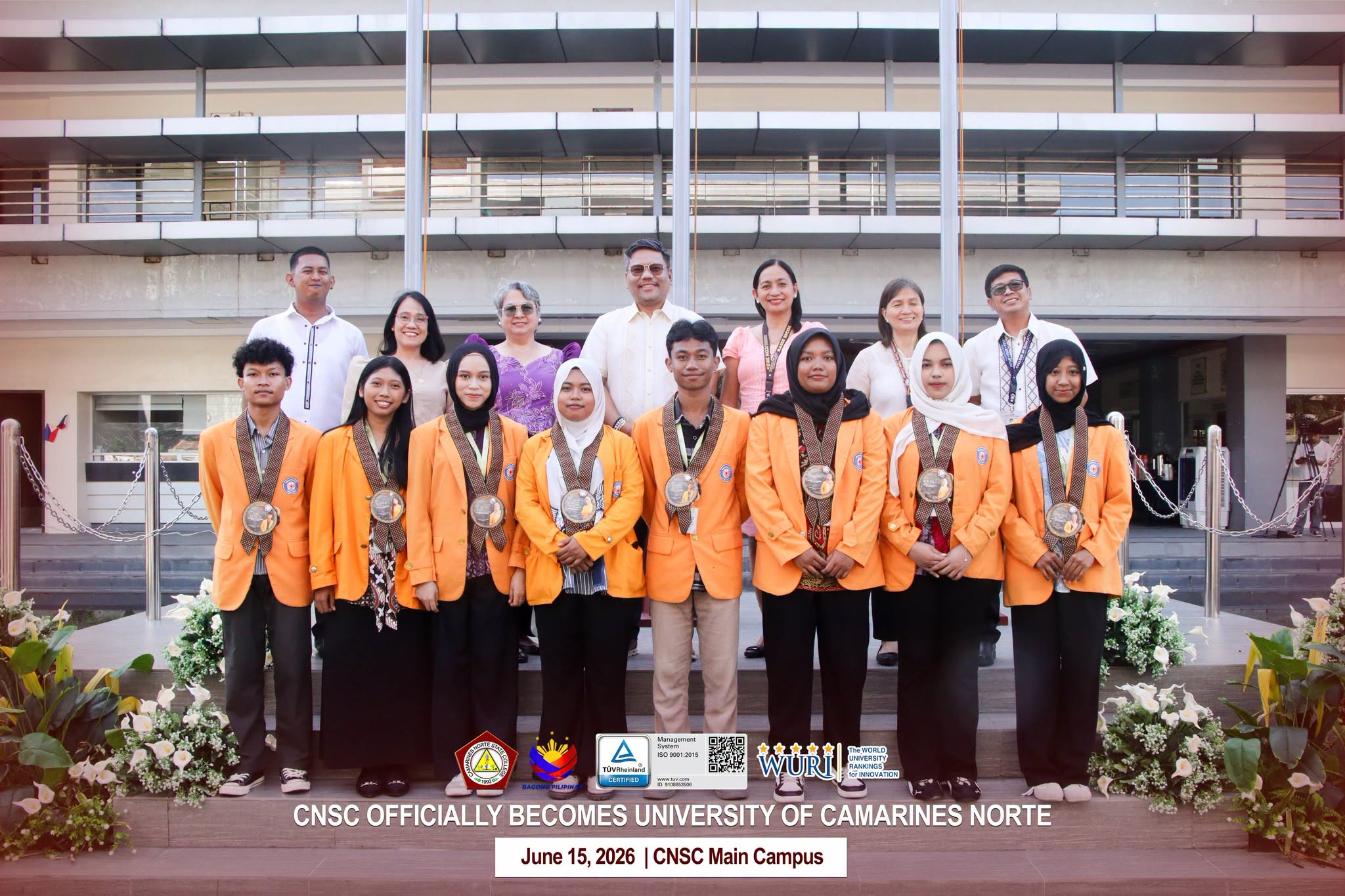
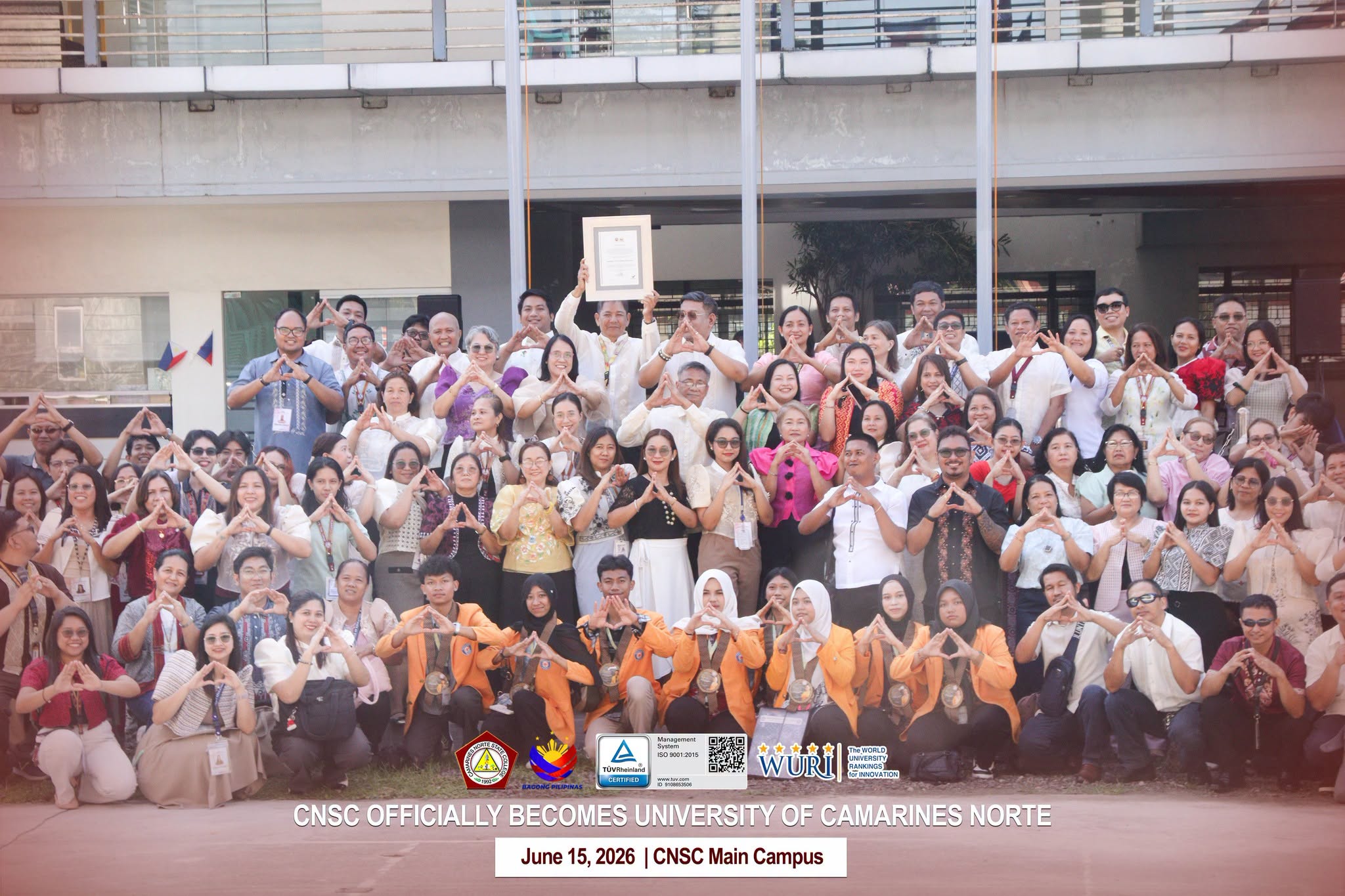
June 16, 2026 | Full University Status: Following rigorous management audits and CHED certification of compliance with university standards, the institution was officially declared the University of Camarines Norte (UCN) under the leadership of President Atty. Ryan Estevez, DPA.
COLLEGES
The University of Camarines Norte operates through specific academic colleges, delivering specialized undergraduate and graduate programs across various disciplines:
-
CBPA – College of Business and Public Administration
-
CAS – College of Arts and Sciences
-
COTT – College of Trade and Technology
-
CoEng – College of Engineering
-
CoEd – College of Education
-
CCMS – College of Computing and Multimedia Studies
-
CANR – College of Agriculture and Natural Resources
-
CFAST – College of Fisheries, Aquatic Sciences and Technology
-
Graduate School – Graduate Programs
The University of Camarines Norte operates a comprehensive and decentralized educational network comprising one main campus and five satellite campuses, all strategically located across the province.
-
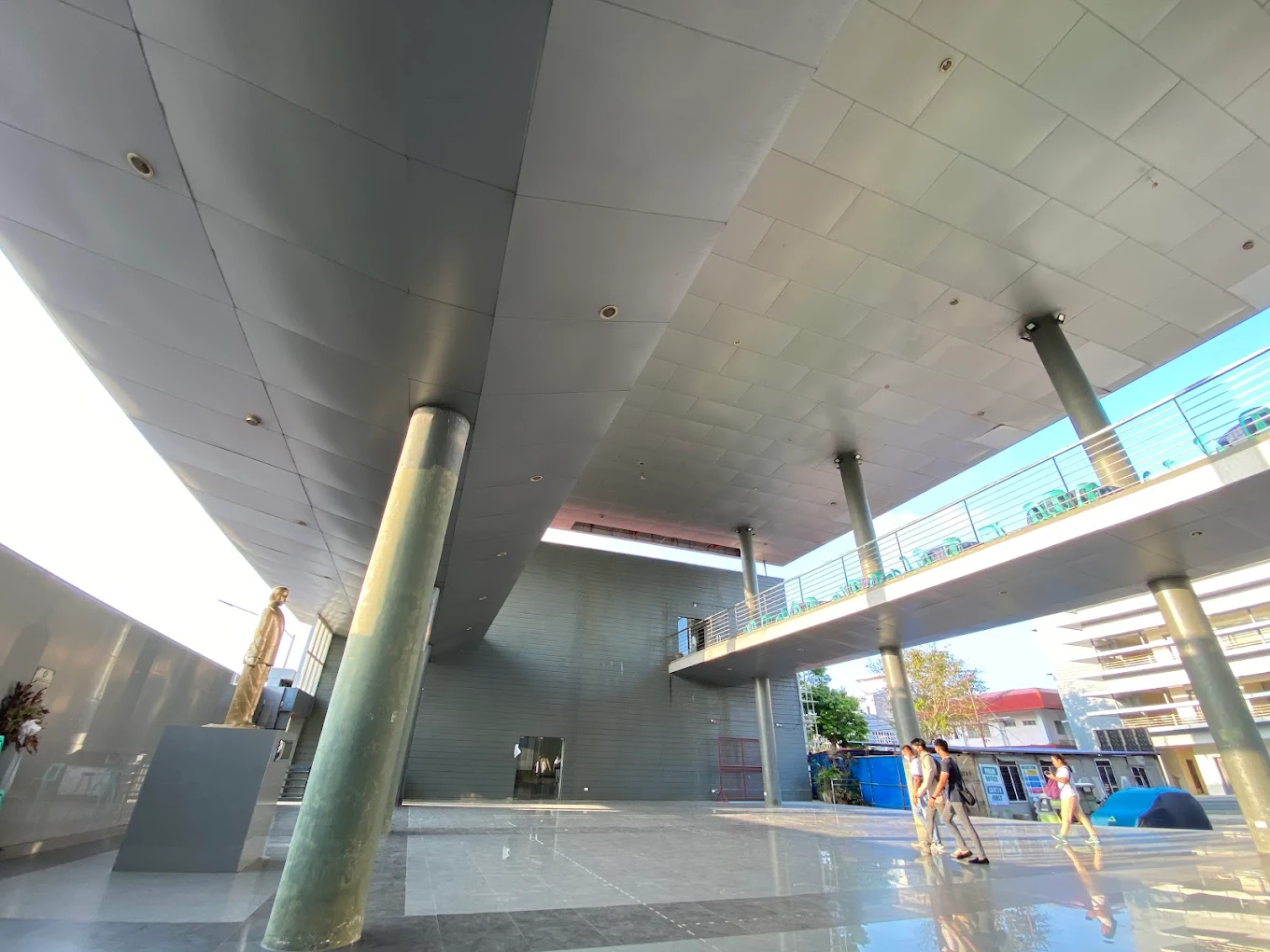
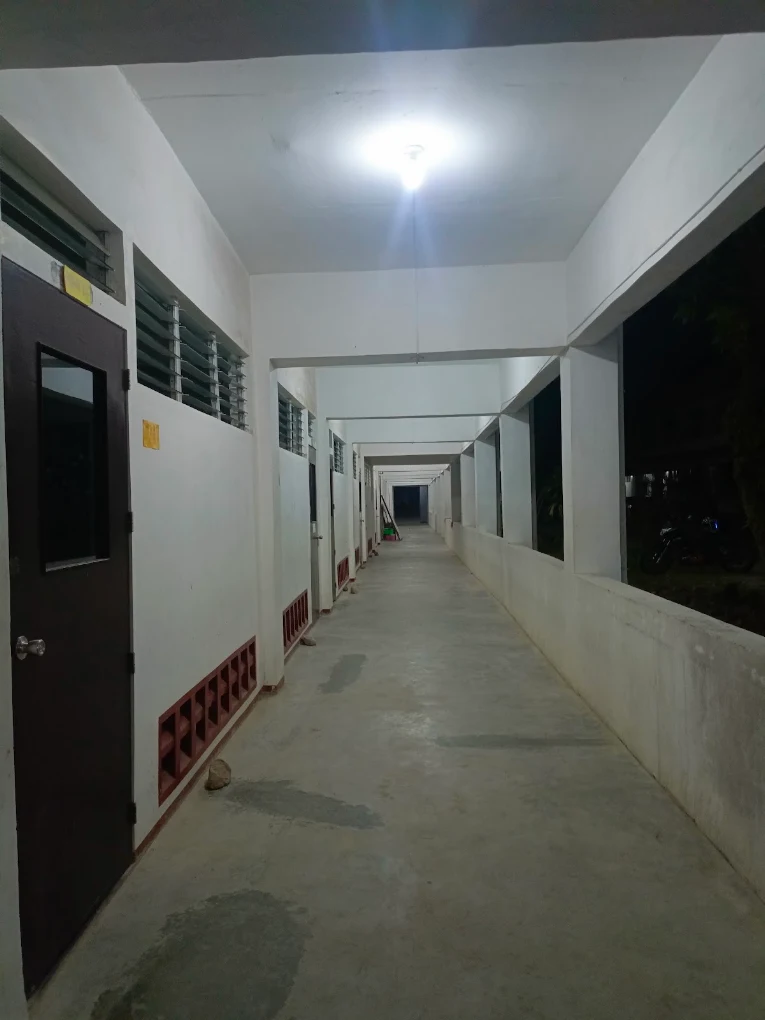
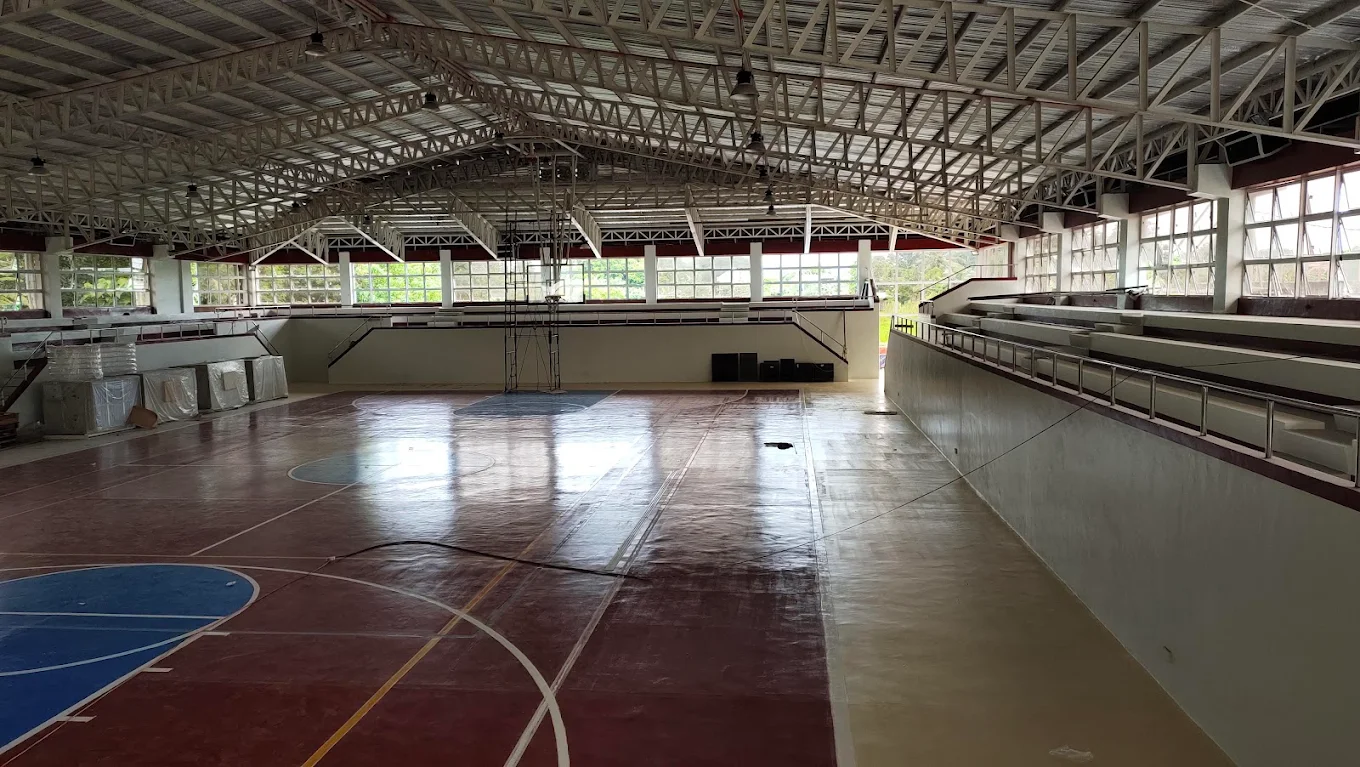
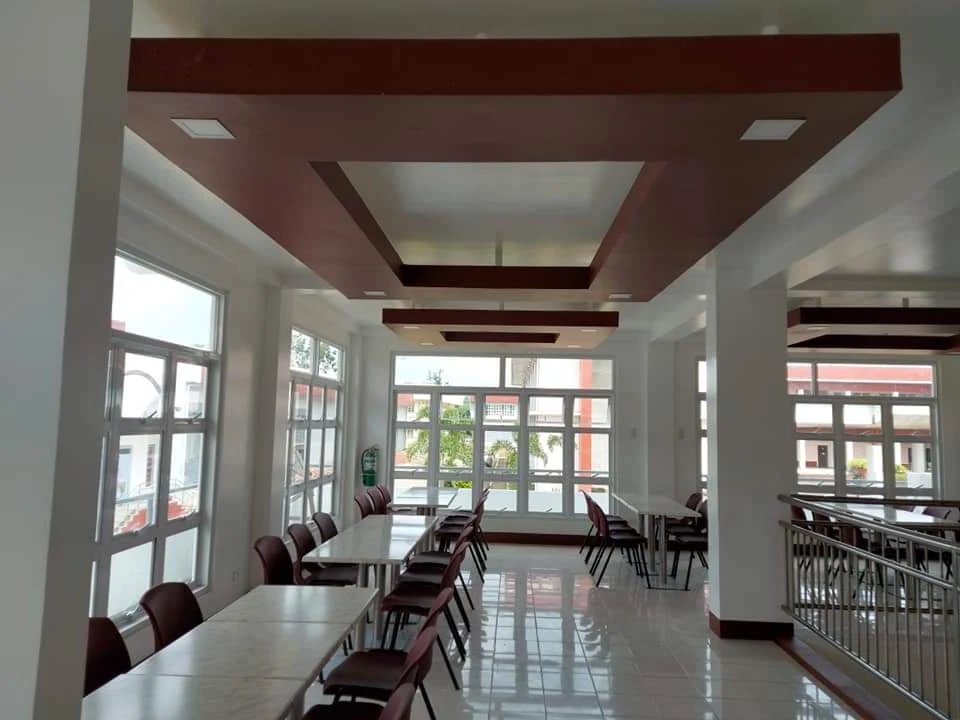
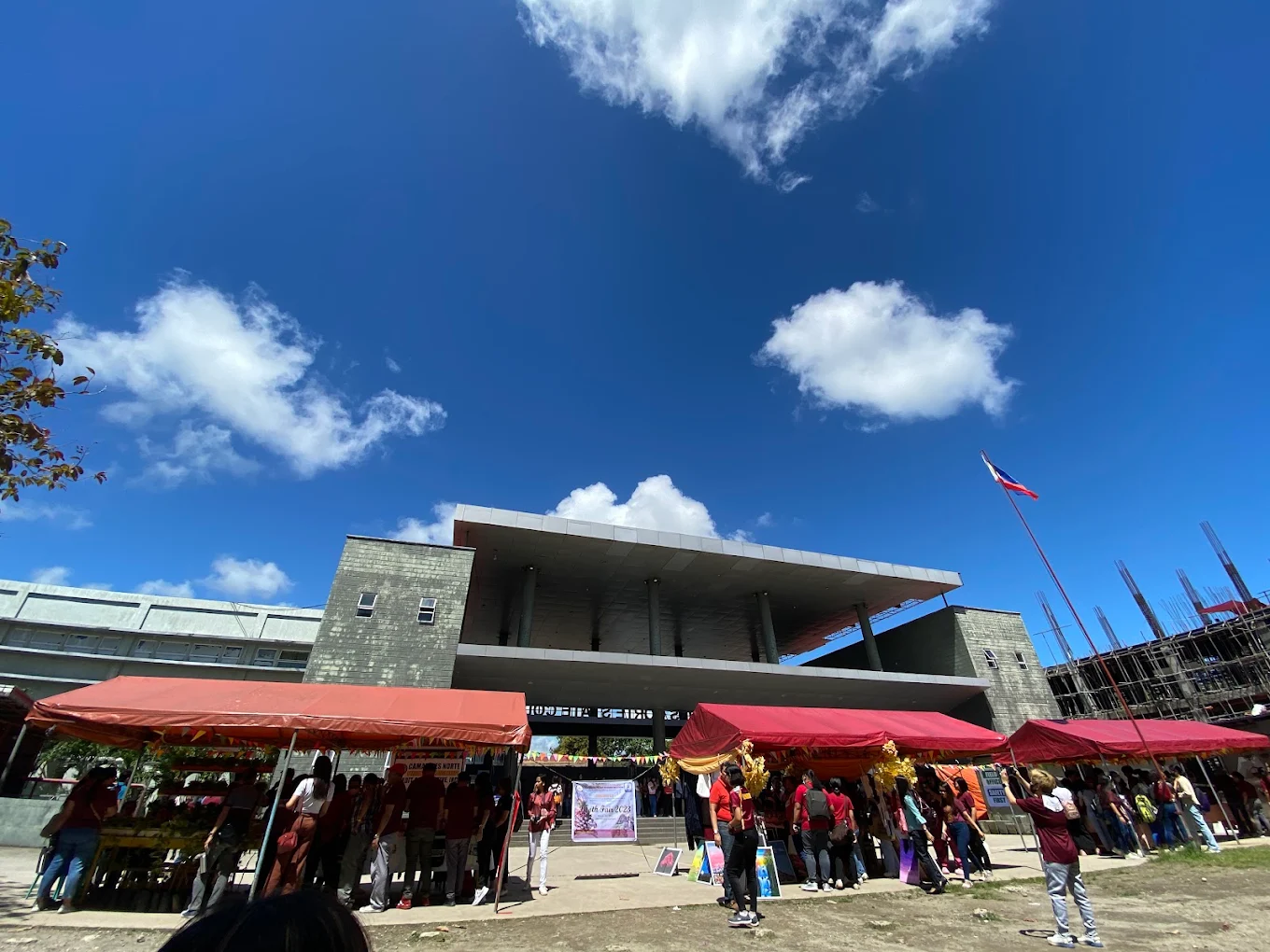
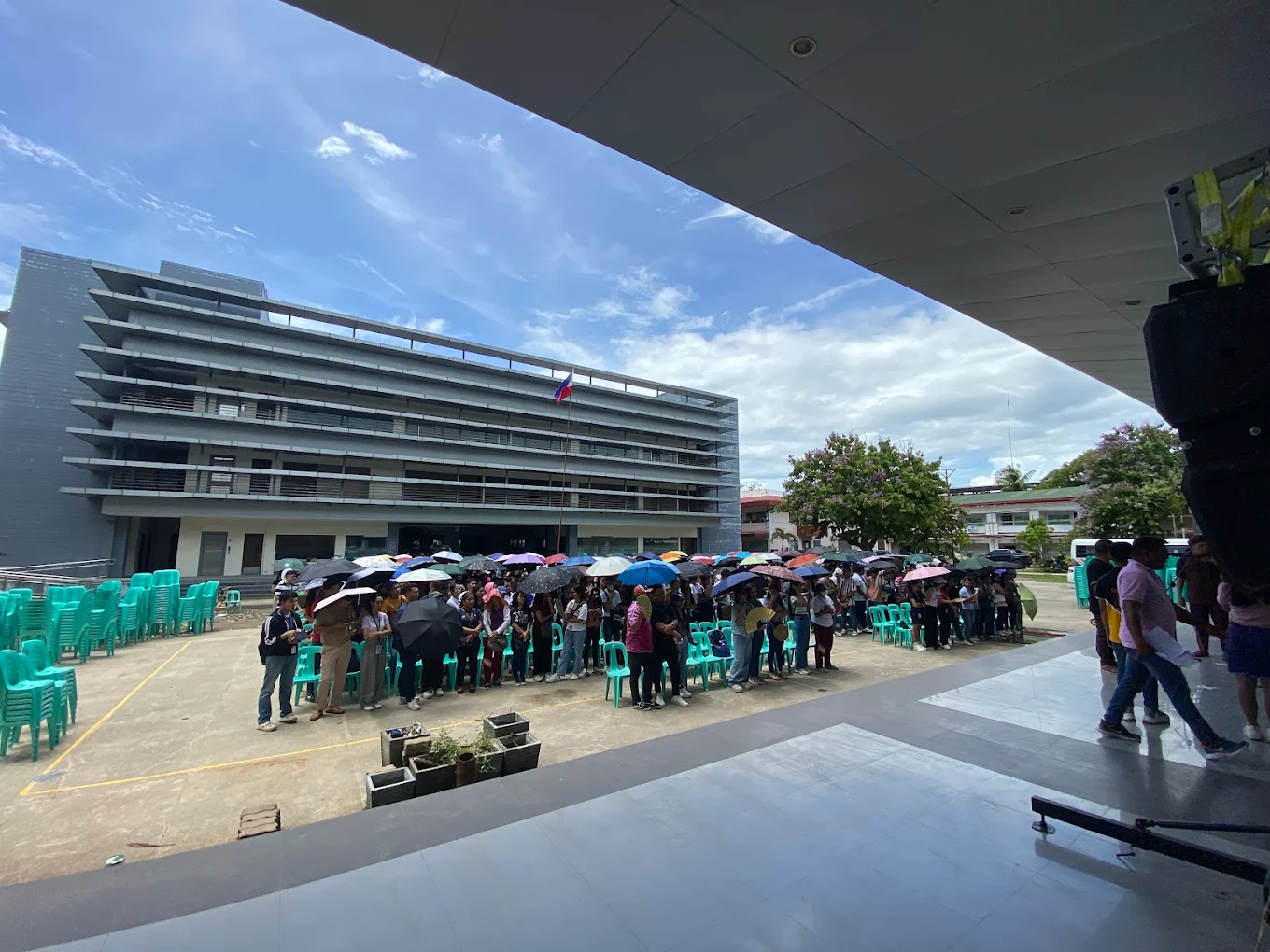
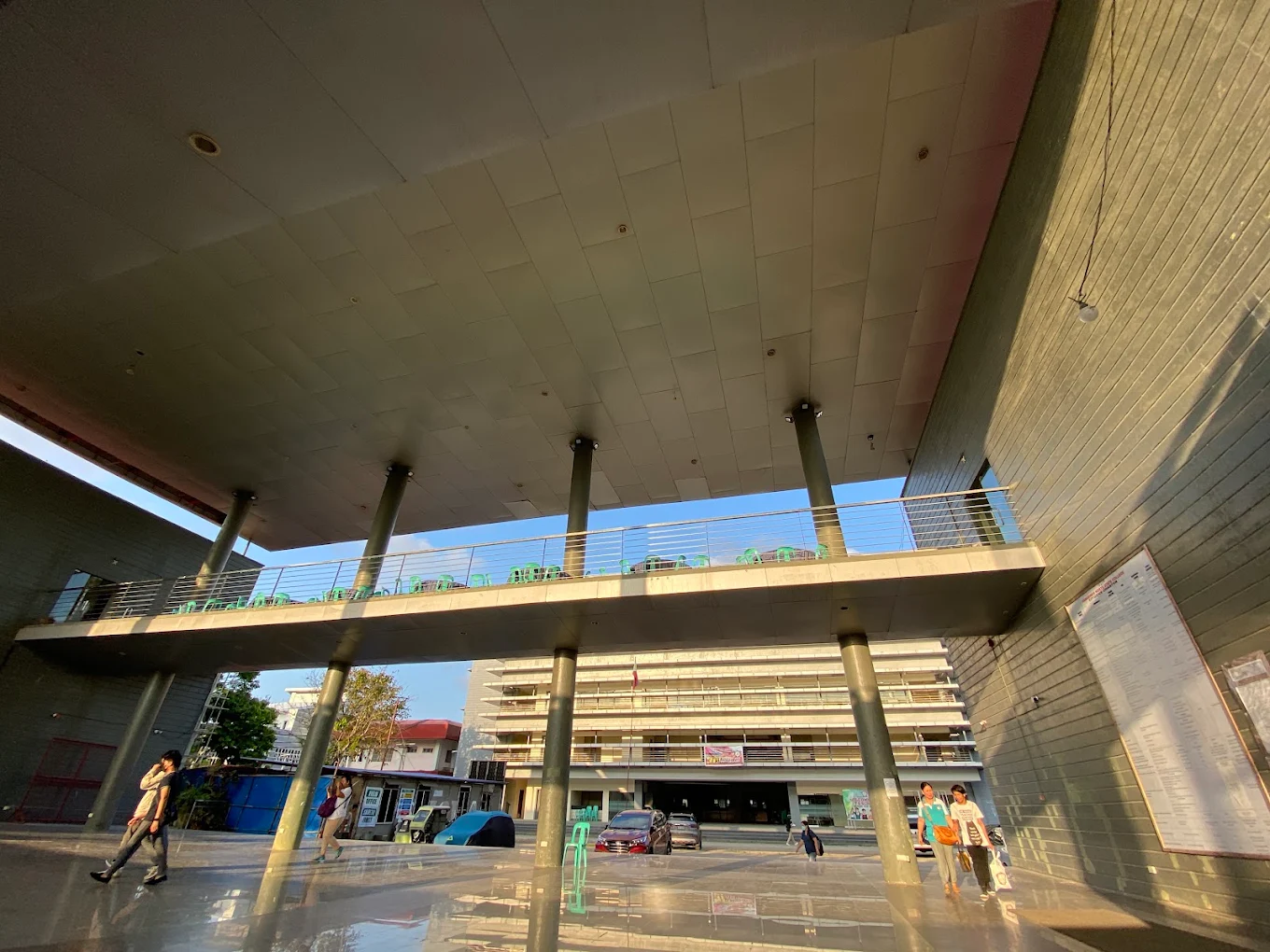
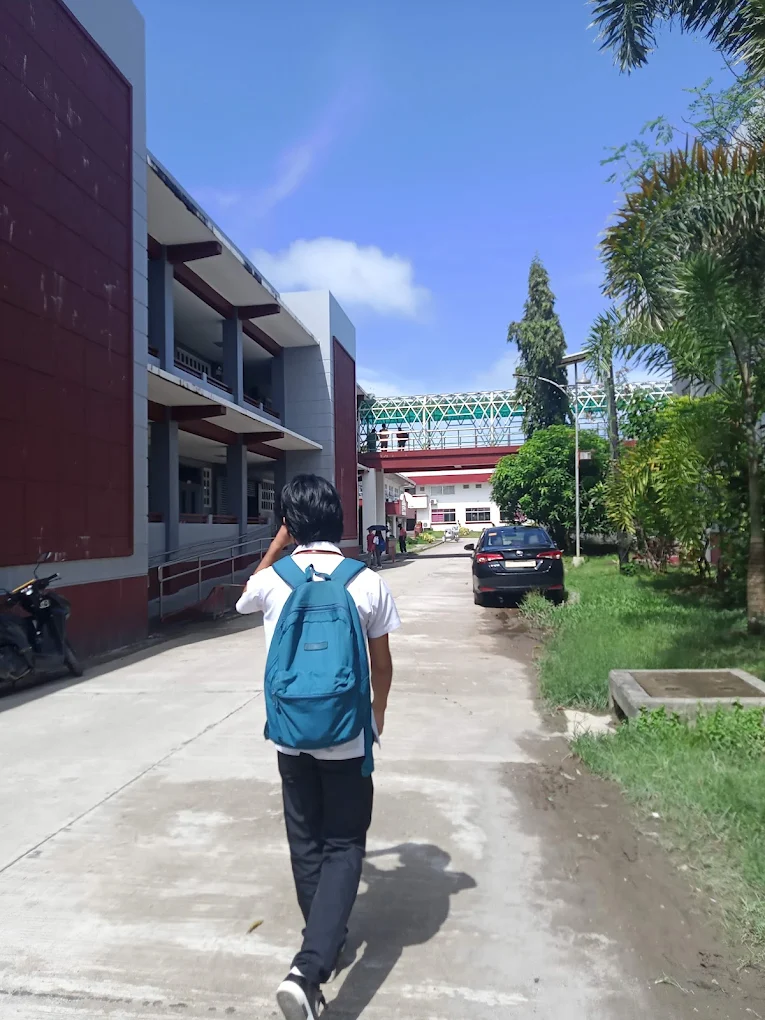
Daet Campus (Main): This 8.42-hectare main campus houses the central administration and core colleges including Arts and Sciences, Business, Engineering, and Computing.
-
Abaño Campus: Located on a compact site in Daet, this campus is dedicated to the College of Education and the university's Laboratory School.
-
Labo Campus (Talobatib): Featuring expansive grounds and a massive forest reserve, this campus exclusively hosts the College of Agriculture and Natural Resources.
-
Mercedes Campus: Evolving from a former school of fisheries, this campus focuses entirely on the College of Fisheries, Aquatic Sciences and Technology (CFAST).
-
Panganiban Campus: Tracing its historical roots to an arts and trades school, this campus serves as the headquarters for the College of Trade and Technology (COTT).
-
Entienza Campus: Formalized by the 2019 legislation, this strategic expansion campus extends the university's educational presence to the Sta. Elena region.
CAMPUS
STRUCTURE
Academic Support System

The University of Camarines Norte provides a comprehensive academic support system designed to ensure student success and institutional efficiency. Key student-focused services are managed by the Office of Student Affairs and Services (OSAS/OSSD), alongside the Guidance and Counseling Unit, the Scholarship and Financial Assistance Unit (SFAU), and the National Service Training Program (NSTP) Office. Essential academic and technical resources are readily accessible through the Main Library and the Information Technology Services (ITS) Office. Furthermore, the university actively drives innovation and community outreach through its dedicated Research and Extension Services. This entire ecosystem is sustained by a network of specialized University Support Units, handling areas like Quality Assurance and Intellectual Property, and is strategically overseen by the university's Executive Academic Leadership.


Teaching & Grading System
The University of Camarines Norte (UCN) employs a structured and internationally recognized approach to higher education:
-
Outcome-Based Education (OBE): The curriculum strictly adheres to an OBE framework, ensuring that instruction and assessments are aligned with the institution’s core vision and mission.
-
Standardized Instruction: Academic delivery is guided by uniform syllabi (Document Code: CNSC-OP-VPA-01F1), maintaining consistency across all colleges in compliance with the university's ISO/Quality Management System (QMS) certification.
-
Academic Terms: The academic semester follows the standard Philippine collegiate structure, divided into Preliminary (Prelim), Midterm, and Final grading periods.
-
Evaluation Components: Student performance is comprehensively assessed through attendance, recitations, quizzes, term projects, and major written examinations.
Academic & Teaching Framework
Grading System & Evaluation
The University of Camarines Norte evaluates student performance using the standard Philippine university grading system, which operates on a 1.0 to 5.0 scale. In this system, a lower numerical value indicates a higher academic achievement, with 1.0 being the highest possible mark (equivalent to an excellent 99–100%). To successfully pass a course, students must earn a minimum final grade of 3.0, which corresponds to a 75% rating. Grades falling below this standard include a 5.0, which denotes a failing mark. Additionally, the university utilizes specific remarks such as 'Inc.' for students with incomplete course requirements, and a 4.0, which serves strictly as a conditional status during the midterm period rather than a final academic grade.
Cultural Profile
The official emblem of the university serves as a visual representation of its history, mandates, and academic identity. Every element within the seal holds a specific operational meaning:
-
The Pentagon: Represents the five originally integrated campuses united under one institution.
-
The Outer Circle: Bearing the institution's former name, it signifies a geographically encompassing concern for regional development.
-
1992 & Laurel Leaves: Marks the foundational year of the state college, framed by laurel leaves symbolizing monumental achievement and excellence.
-
The Inner Circle: Represents the four core institutional mandates: Instruction, Research, Production, and Extension.
-
Open Book, Blazing Torch, & Triangle: Placed at the center, these illustrate the primary goal of molding productive citizens through the illuminating power of knowledge.
-
The First Rizal Monument (Background): Pays homage to the distinct geographic and historical identity of Camarines Norte, while also symbolizing the Engineering discipline.
-
Color Palette: The dominant Maroon reflects aggressiveness, steadfast perseverance, and honor. The Yellow within the central triangle highlights the rich, abundant natural resources of Camarines Norte.